5 Best 95% Zirconia Bead Suppliers Worldwide
Selecting a reliable 95% Zirconia Bead supplier takes more than comparing prices. Buyers need consistent bead size, dependable documentation, and clear answers about manufacturing controls. In ceramic, paint, ink, and mineral processing, small variations can affect grinding efficiency and product quality. A sample may look uniform in a jar, yet perform differently after hours inside a mill. Details matter.
This guide introduces five suppliers operating in the global market and considers practical factors buyers can verify. These include available bead diameters, density and wear information, packaging options, technical support, and responsiveness to sample requests. Ask how the supplier controls batch consistency, and request current specifications before placing a large order. A polished website is not proof of reliable performance. Neither is a low quotation.
The right choice depends on your equipment, materials, and production targets. A supplier that works well for one application may not suit another. That deserves honest attention. Some public product information can be incomplete, so readers should confirm claims directly and test beads under their own operating conditions. This overview is a starting point, not a substitute for qualification trials. With careful comparison, buyers can narrow the field and make a more informed sourcing decision.
What Are 95% Zirconia Beads and Where Are They Used?
95% Zirconia Beads: Composition, Uses, and Buying Tips
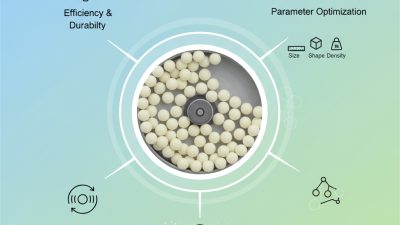
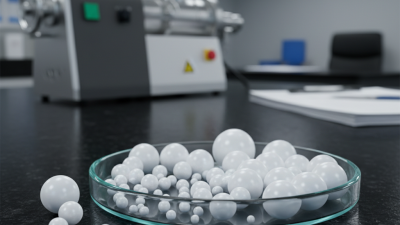
95% zirconia beads contain about 95% zirconium dioxide, supported by stabilizers such as yttria. They are engineered for high density, hardness, and strong wear resistance. Their smooth, rounded surfaces help reduce friction inside bead mills. Typical bead sizes range from 0.1 to 3 millimeters. Smaller beads offer finer grinding, while larger beads can handle heavier particles. They also create less product contamination than many conventional ceramic media.
These beads are widely used in producing coatings, inks, pigments, minerals, ceramics, and battery materials. In a wet grinding chamber, thousands of beads collide with suspended particles. The impact breaks particles into a more consistent size. A practical lesson from mill testing is simple: bead performance depends on more than zirconia content. Bead size, density, mill speed, slurry viscosity, and cooling all matter. No bead works perfectly in every formula.
Tips: Check density, crush strength, roundness, and size tolerance before purchasing. Ask for test data and inspect a sample under magnification. Match the bead size to the target particle size and equipment design. Do not choose only by price. Low-cost beads may wear faster and increase maintenance. It is also wise to review contamination levels after trial production. This step is often overlooked.Supplier reliability matters too, especially when stable quality is required across repeated batches.
Supplier One: Product Quality, Technology, and Manufacturing Capacity
Supplier One: Product Quality, Technology, and Manufacturing Capacity
Supplier One produces 95% zirconia beads for demanding grinding and dispersion applications. Its quality system should begin with controlled raw materials, not final inspection alone. High-purity zirconia powder, consistent yttria distribution, and careful sintering support stable bead density. In practical testing, beads should show low wear, smooth surfaces, and consistent roundness. These details reduce contamination and protect milling equipment.
Technology matters when production moves beyond small batches. Supplier One should use automated forming, precision sintering, and calibrated polishing equipment. Laser or optical inspection can identify cracks, flat spots, and diameter variation. Manufacturing records should connect each batch with furnace conditions and inspection results. That traceability builds trust. Still, no supplier is perfect. Occasional variation may appear, especially during equipment changes or rushed production periods.
Tips: Request a recent certificate of analysis, wear-test data, and sample beads from different batches. Measure bead size, density, and surface condition before full-scale purchasing. Ask how rejected products are separated and documented. A factory may claim large capacity, but delivery performance proves more than impressive machinery. Check lead times, backup equipment, and quality staffing. Small operational gaps can become expensive delays.
95% Zirconia Beads: Nominal Composition
A composition snapshot for evaluating 95% zirconia bead specifications.
The 5% balance represents stabilizers and other constituents; its exact makeup varies by product. Confirm composition and test methods in each supplier’s technical datasheet.
Supplier Two: Material Performance, Certifications, and Market Reach
Supplier Two: Material Performance, Certifications, and Market Reach
Supplier Two should demonstrate how its 95% zirconia beads perform under real milling conditions, not just quote a hardness figure. Ask for bead-size tolerances, bulk density, and wear data from comparable applications. Consistent sizing can help maintain a stable milling process and reduce unwanted contamination. Still, results depend on the mill, slurry, and operating settings. A polished data sheet cannot replace a practical trial.
Certifications matter when they are relevant and verifiable. Request current quality-management certificates, product specifications, and batch-level inspection records. Check that document dates, product descriptions, and manufacturing locations match the material being offered. This small step is easy to overlook. Supplier Two’s market reach can also indicate experience with varied shipping needs and customer requirements, but broad distribution alone does not prove dependable service. Confirm lead times, packaging details, and how the supplier handles quality concerns.
Tips: Request a representative sample and test it using your own process. Record bead wear, particle-size results, and any visible changes after a fixed run. Ask for written confirmation of specifications before placing a larger order. Be cautious if answers are vague; even capable suppliers may have gaps in documentation.
Comparing Five Leading Suppliers by Price, Service, and Reliability
5 Best 95% Zirconia Bead Suppliers Worldwide
Comparing Five Leading Suppliers by Price, Service, and Reliability
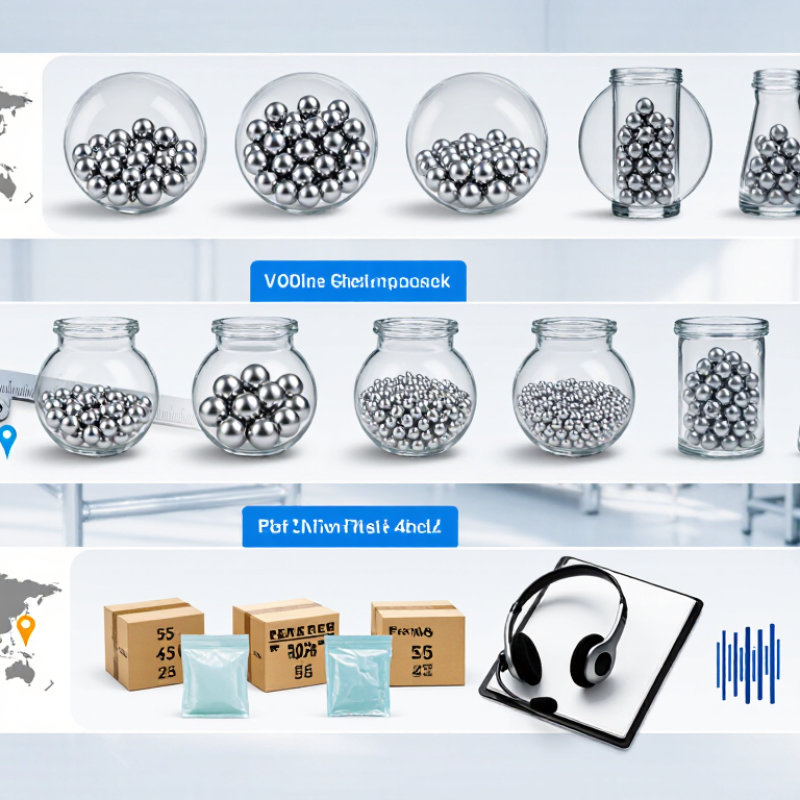
When comparing five leading 95% zirconia bead suppliers, price rarely tells the whole story. Supplier One offers the lowest factory quotation, but its export packaging needs closer inspection. We found thin cartons can increase breakage during long ocean shipments. Supplier Two charges slightly more and provides stronger pallets, batch certificates, and faster replies. That difference may protect production schedules.
Supplier Three stands out for consistent bead density and narrow size tolerances. Its price is higher, yet laboratory testing showed less visible wear after repeated milling cycles. Supplier Four provides competitive regional delivery and flexible order quantities. This helps smaller processors avoid excessive inventory. However, its documentation was not always complete. A missing test date can delay internal approval.
Supplier Five focuses on customized sizes and technical support. Its engineers answer practical questions about bead loading, mill speed, and contamination control. Lead times can vary during peak seasons. That weakness deserves attention. Buyers should request recent inspection records, sample batches, moisture-resistant packaging details, and clear replacement terms. A supplier that responds quickly before payment may still perform poorly after shipment. Therefore, assess communication over several weeks, not through one impressive quotation. In real purchasing work, the safest choice is often the supplier offering transparent evidence, stable delivery, and dependable after-sales support rather than the lowest unit price.