

News
The manufacturing process of zirconia beads
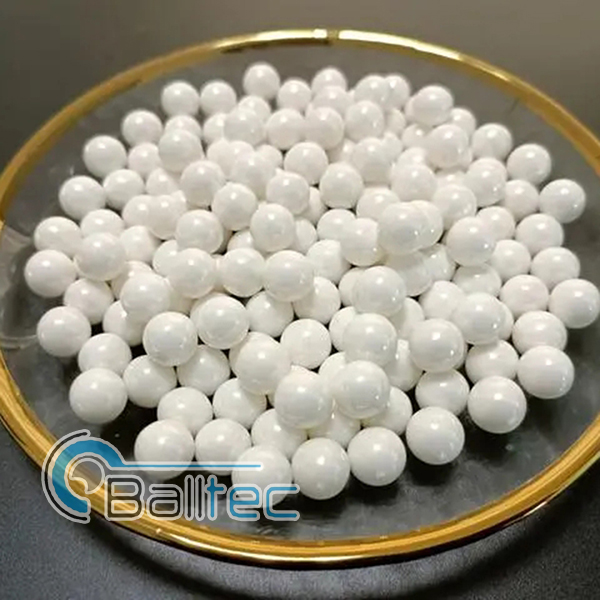
Zirconia beads are mostly composed of tetragonal zirconium polycrystal (TZP), hence they are also referred to as "TZP" zirconia beads. Manufactured from micron-grade and sub-nanometer-grade zirconia and yttrium oxide as raw materials, they are a type of grinding bead used for ultra-fine grinding and dispersion of materials requiring "zero contamination", high viscosity and high hardness.
The core function of ceramic saddle rings
1. Enhance Mass Transfer Efficiency and Accelerate Reaction Rate
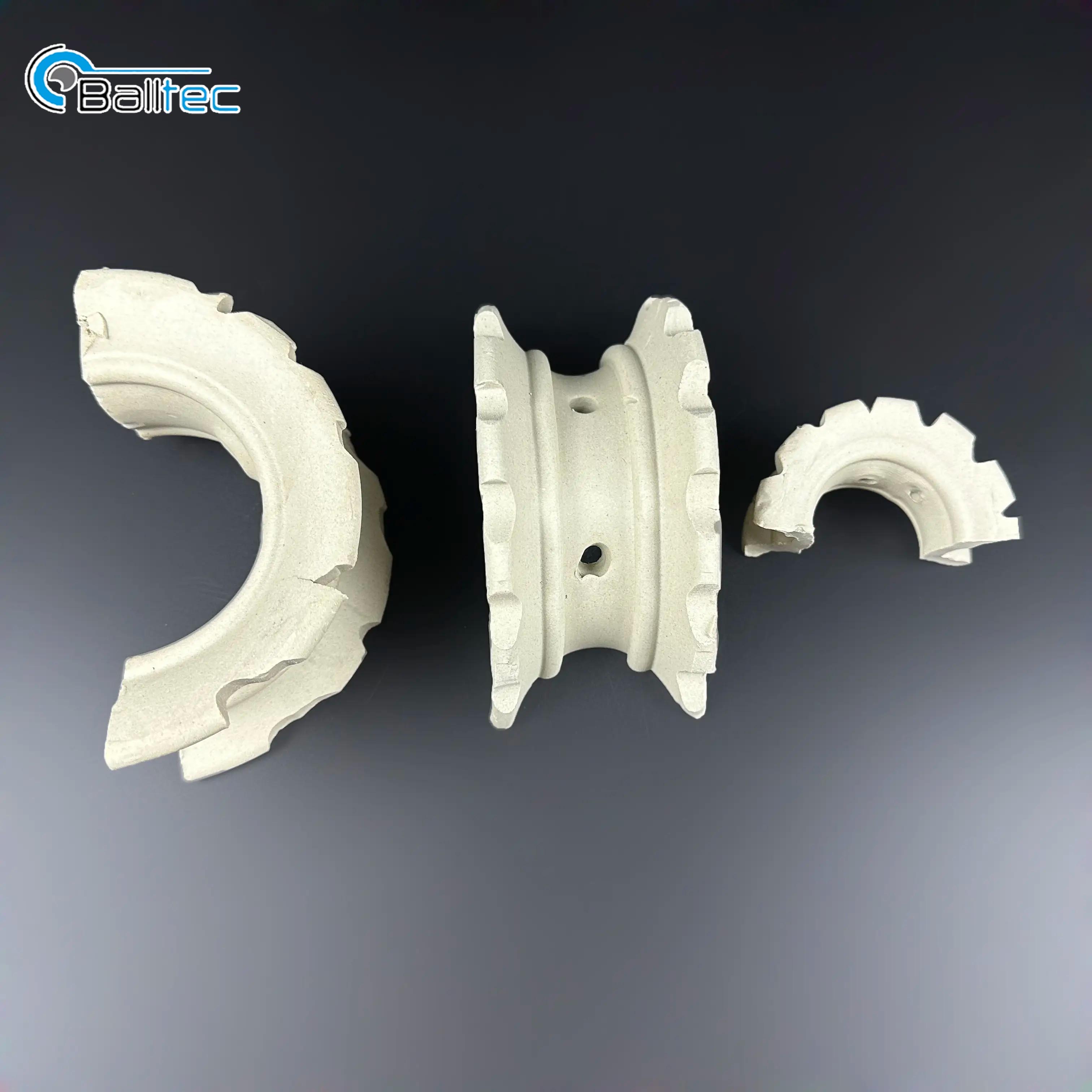
Improved on the basis of intalox saddles, ceramic Intalox super saddles feature serrated or corrugated raised structures instead of smooth curved sides, forming multi-channel fluid paths inside. This design significantly increases the specific surface area of the packing (typically reaching 100-200 m²/m³) and raises the porosity to over 85%. When gas and liquid flow through the packing layer, the contact area is expanded, the turbulence level is enhanced, and the exchange of reactants is more sufficient, thus remarkably improving the mass transfer efficiency.
The main performance indicators of zirconia beads
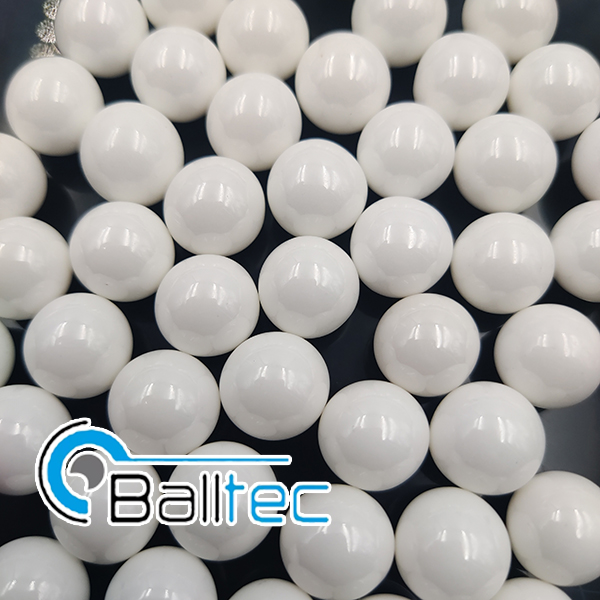
Zirconia beads are spherical particles with high strength, chemical inertness, extreme hardness and a fine particle size. Unlike other abrasives with irregular shapes, zirconia abrasives roll like steel balls between bearings during the grinding process. Featuring a high specific gravity, excellent rollability and great kinetic energy, zirconia beads can reduce the viscosity of formulations, improve fluidity and enhance coating performance. In the production process, the use of zirconia abrasives enables a reduction in resin dosage, an increase in filler loading, a higher solid content, lower VOC emissions and reduced production costs.
Key Precautions for Industrial Application of Zirconia Beads
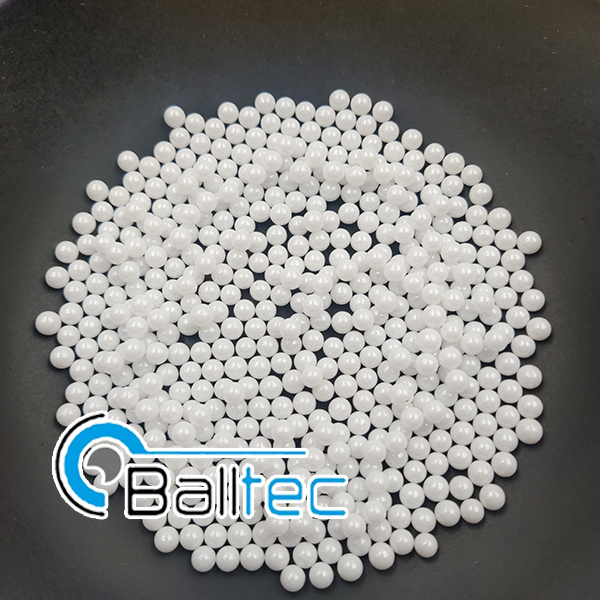
To ensure grinding performance, product quality and production safety, as well as reduce production losses, strict standardized operating procedures must be followed during the industrial application of this media, with focus on the following three core points:
Zirconium oxide bead production process
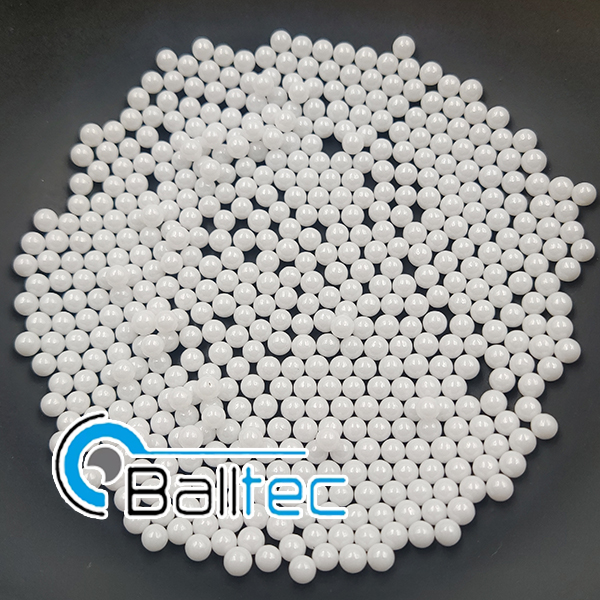
Zirconia beads are primarily manufactured through three distinct processes: rolling, pressing, and drop spheronization. The rolling method involves mixing powder with binders in a rotating drum to form spherical beads.
Zirconia Beads - Specifications, Models & Pricing
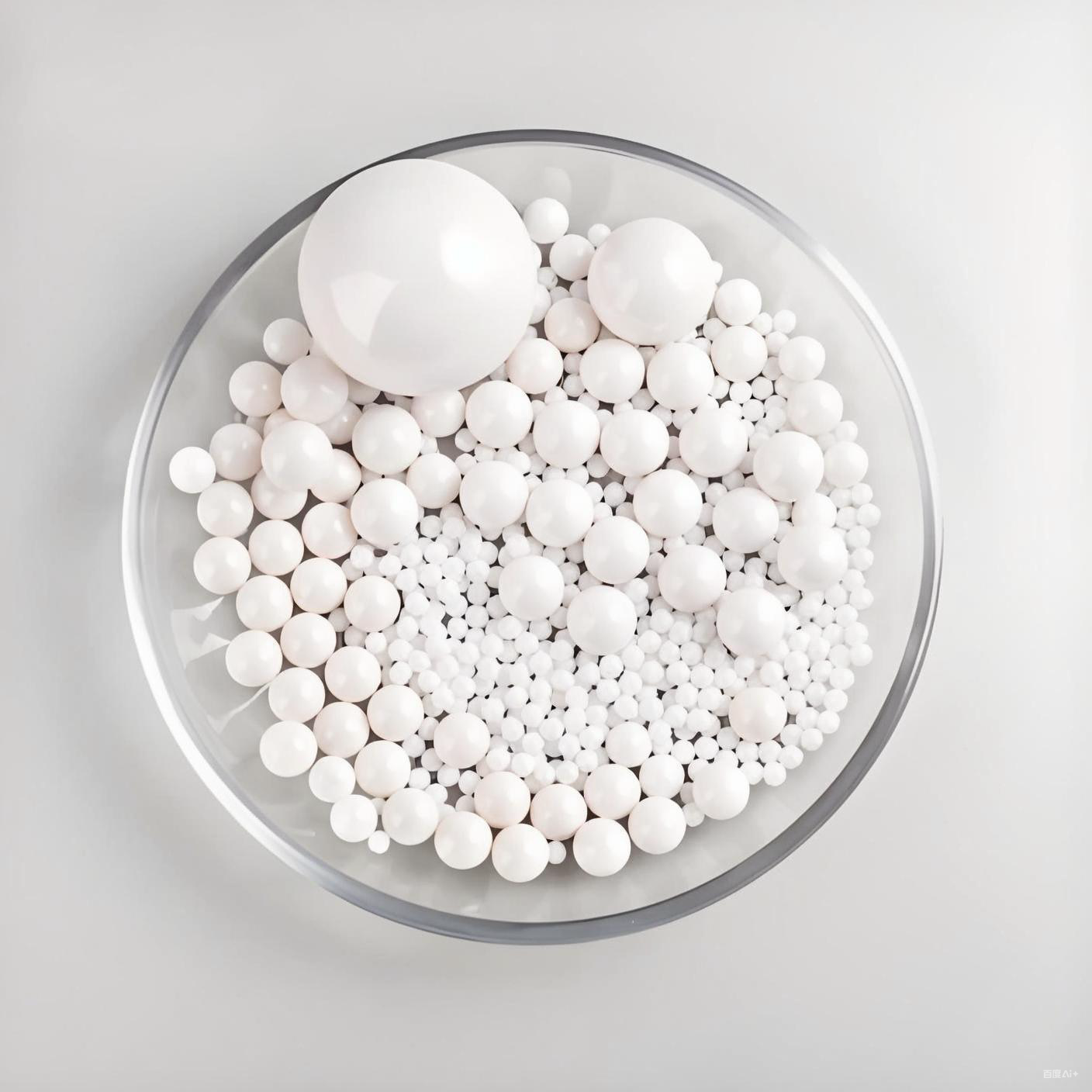
Zirconia beads are high-hardness, wear-resistant grinding media. The mainstream models include 95% yttria-stabilized, ceria-stabilized, 65% and 80% zirconia beads, with particle sizes ranging from 0.05mm to 50mm. The commonly used 0.3–3mm range is suitable for sand mills, 2–5mm beads for coarse grinding, and beads below 0.1mm for nano-grinding.