Best Zirconia Beads For Grinding Media What Are Your Options
Zirconia beads for grinding media have gained immense popularity in various industrial applications. These beads are notable for their durability and efficiency. A recent market report indicates that the global zirconia beads market is expected to grow at a CAGR of over 6% from 2021 to 2026. This growth reflects their increasing use in sectors like ceramics and pharmaceuticals.
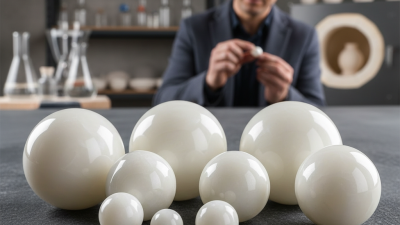
Choosing the right zirconia beads for grinding media is crucial for achieving optimal results. Various factors come into play, including size, shape, and composition. Beads that are too large can lead to inefficient grinding, while those that are too small may not provide enough impact force. There are numerous suppliers offering these products, each with unique specifications. Understanding these differences is key to making informed choices.
Despite their advantages, users should be cautious. The effectiveness of zirconia beads can vary significantly based on the application. It's essential to assess your processing conditions and requirements. Some beads might not perform well under specific stresses. Investing in quality zirconia beads for grinding media can yield significant benefits, but careful consideration is necessary.
Understanding Zirconia Beads and Their Applications in Grinding
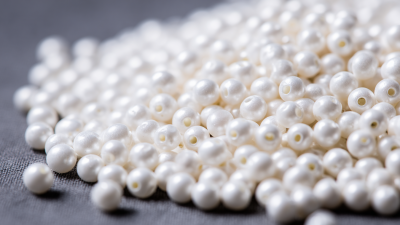
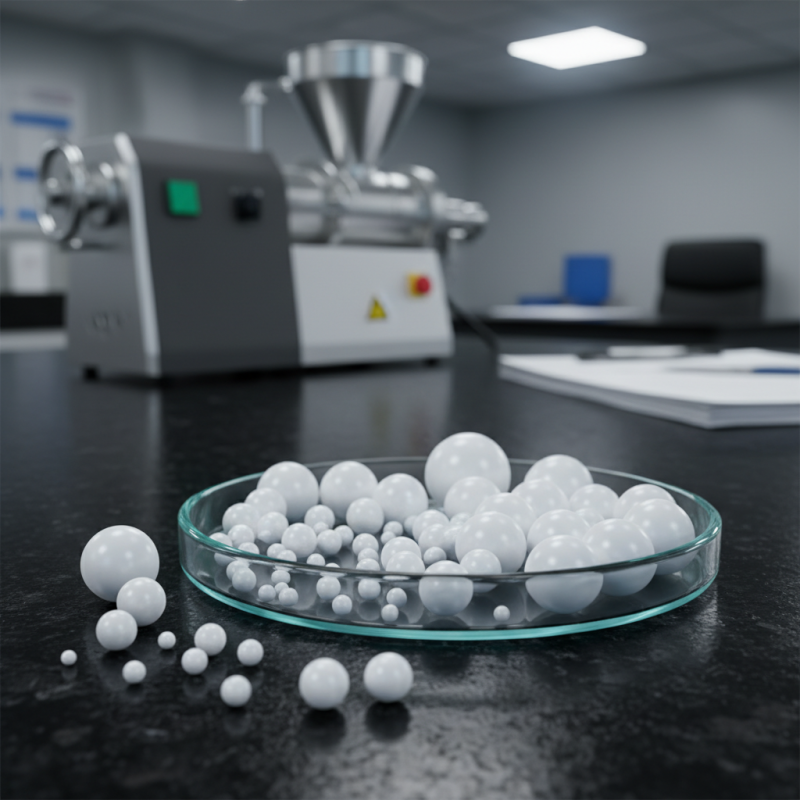
Zirconia beads have become a preferred choice in grinding applications. Their unique properties make them highly effective media for various industries. Made from zirconium dioxide, these beads are known for their high density and toughness. They can withstand intense mechanical forces without breaking down. This durability leads to fewer replacements and reduced costs in the long run.
In grinding processes, the efficiency of media is crucial. Zirconia beads provide a fine and even dispersion of materials. This is especially important in industries like paint, ceramics, and pharmaceuticals. The smooth surface of these beads minimizes wear on equipment. However, selecting the right size and density can be challenging. There’s no one-size-fits-all solution. Experimenting with different options may be necessary to find the optimal choice for specific applications.
Despite their many advantages, zirconia beads have limitations. They can be more expensive than other grinding media. It's essential to weigh the cost against the benefits. Understanding the specific requirements of each application can lead to better decision-making. Utilizing expert knowledge in the field is invaluable for optimizing results.
Best Zirconia Beads for Grinding Media
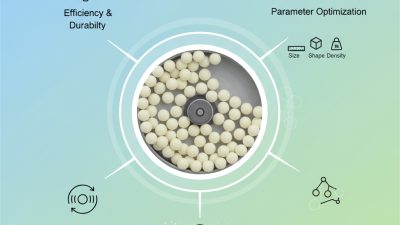
This chart illustrates the different sizes of zirconia beads common in grinding applications and their respective applications.
Types of Zirconia Beads Available in the Market
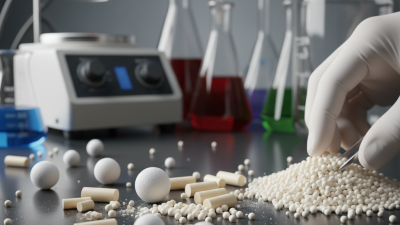
Zirconia beads have become a popular choice for grinding media due to their durability and efficiency. These beads come in various types, each suited for different applications. The most common forms include
zirconia silicate beads, ceramic zirconia beads, and stabilized zirconia beads. Each type offers unique advantages in terms of wear resistance and grinding performance.
Zirconia silicate beads are lightweight and provide excellent dispersion properties. They are often used in the paint and coating industries. On the other hand, ceramic zirconia beads are known for their hardness and strength. They work well in fine grinding processes, especially in pharmaceuticals and cosmetics.
Stabilized zirconia beads, containing additives to enhance their properties, excel in high-energy milling applications.
While choosing zirconia beads, consider the specific requirements of your project. Factors like size, density, and shape play a crucial role in achieving optimal results. Keep in mind that not all options are perfect for every application, and some experimentation may be necessary. Quality variations exist, and it's essential to source from reliable suppliers.
Key Factors to Consider When Choosing Zirconia Beads
When selecting zirconia beads for grinding media, several key factors need attention. Size is crucial; smaller beads may increase surface area and improve efficiency in fine grinding applications. A report from the Ceramic Industry highlights that beads with a diameter between 0.5 mm to 1 mm deliver optimal performance for nano-grinding processes. However, larger beads can be more effective for coarser materials.
The density of zirconia beads is another significant consideration. Higher density beads offer better impact energy, leading to more efficient grinding. A study published in the Journal of Materials Science reveals that beads with a density of around 6.0 g/cm³ consistently achieve superior results in terms of material breakage and particle size reduction. Additionally, the bead's hardness plays a role; harder beads resist wear and tear, ensuring longevity in operations.
Chemically, zirconia's resistance to corrosion enhances its utility in various grinding environments. On the flip side, it can be challenging to find a balance between bead size, density, and hardness for specific applications. A university research project indicated that misjudging any one of these factors could lead to inefficient grinding and increased operational costs. Understanding these complexities is essential for optimizing grinding processes.
Comparing Zirconia Beads with Other Grinding Media Options
When comparing zirconia beads to other grinding media options, it’s essential to consider efficiency and durability. Zirconia beads are known for their high density and toughness. According to a report by Dura-Grit, zirconia beads can perform with a hardness rating exceeding 1200 HV, making them suitable for demanding applications. They effectively reduce grinding times and enhance material dispersion.
Some alternatives include ceramic and steel media. Ceramic beads tend to have lower hardness levels, which can lead to wear and tear over time. Steel media, while strong, may induce metallic contamination in sensitive processes. Research shows that using zirconia beads can minimize contamination issues, as they interact less with the materials being processed.
However, factors such as cost and specific application needs should be taken into account. Zirconia media may have a higher initial investment, but their longevity can lead to cost-effectiveness. Grinding efficiency is critical, and many users report shifting towards zirconia for better results in fine grinding scenarios. It's a trade-off worth considering for improved performance.
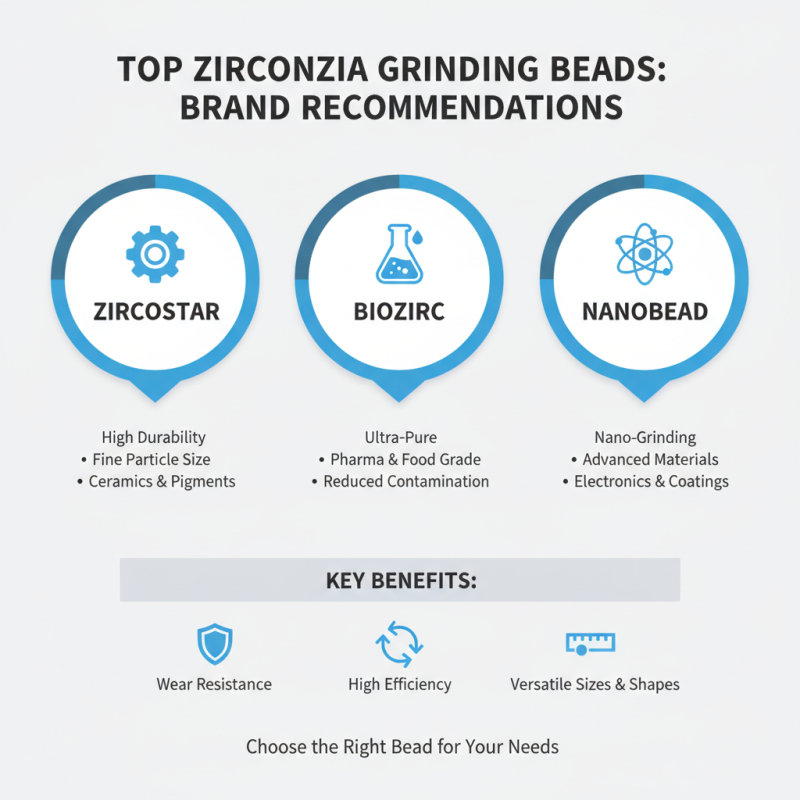
Recommendations for Top Brands of Zirconia Grinding Beads
When it comes to selecting zirconia beads for grinding, several options cater to different needs. These beads are known for their durability and efficiency. They are ideal for applications in various industries, including ceramics and pharmaceuticals. Various shapes and sizes are available, allowing users to choose based on specific grinding requirements.
Various brands offer zirconia grinding beads, each with unique features. It's essential to assess factors like bead density, size, and price. While high density beads can enhance grinding performance, they may come with a higher cost. Users often face the challenge of balancing expense and effectiveness.
Quality should not be overlooked. Investing in reliable brands can significantly improve productivity and reduce wear on equipment. Users have reported inconsistencies in performance among lower-quality options. This brings to light the importance of thorough research and expert recommendations. Careful consideration will help users make informed decisions on grinding media selection.