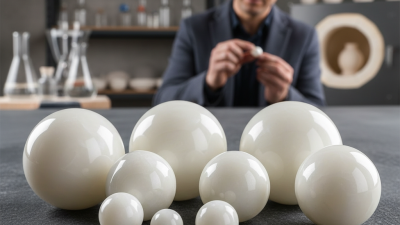
Why Choose 95 Percent Zirconia Bead for Your Next Project?
In the competitive landscape of industrial materials, the choice of grinding media significantly impacts operational efficiency and product quality. The 95% Zirconia Bead has emerged as a prominent option due to its exceptional durability and consistent performance. According to a recent report by the International Journal of Advanced Manufacturing Technology, these beads enhance milling efficiency by up to 30%, making them a valuable asset for any project.
Industry expert Dr. Emily Chen, a leading researcher in material science, emphasizes, “The use of 95% Zirconia Beads ensures optimal results in fine grinding applications.” This statement underscores the importance of selecting the right materials in achieving precision and cost-effectiveness. Despite the advantages, some users still face challenges in sourcing high-quality zirconia beads, which can lead to inconsistent outcomes. Thus, understanding the nuances in quality and supplier reliability becomes vital for successful implementation.
Investing in 95% Zirconia Beads is not just about performance; it reflects an overall commitment to quality and innovation in production processes. The data suggests a clear trend toward premium materials, encouraging businesses to rethink their procurement strategies. Adopting these advanced beads could reshape project outcomes significantly, yet awareness of potential sourcing pitfalls remains crucial for optimal use.
Benefits of Using 95 Percent Zirconia Beads in Industrial Applications
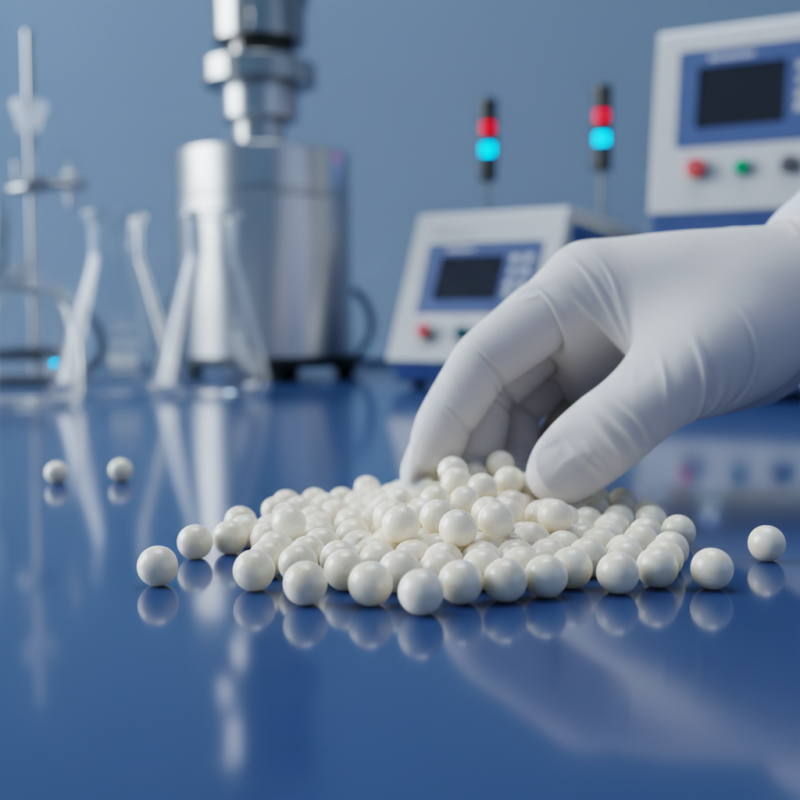
Zirconia beads are increasingly popular in various industrial applications. The 95 percent zirconia composition offers significant advantages. This material is known for its high durability and resistance to wear. Its strength contributes to longer-lasting products. Industries that use these beads often report improved performance and efficiency.
The wear resistance of 95 percent zirconia means reduced maintenance costs. This can lead to increased productivity over time. Another benefit is the smooth surface finish that these beads provide. This characteristic enhances the final product's quality, making it more appealing. However, it is essential to evaluate if this material aligns with specific project needs. Misjudging the application criteria can lead to less than optimal results.
Additionally, zirconia beads are often lighter than traditional options. This weight reduction can affect the overall processing time in some contexts. While they are beneficial in many applications, not all projects may require such features. It's crucial to analyze both the pros and the cons explicitly. Achieving the best results often demands a detailed understanding of material properties and project requirements.
Benefits of Using 95 Percent Zirconia Beads in Industrial Applications
Comparative Analysis of Zirconia Beads vs. Other Materials
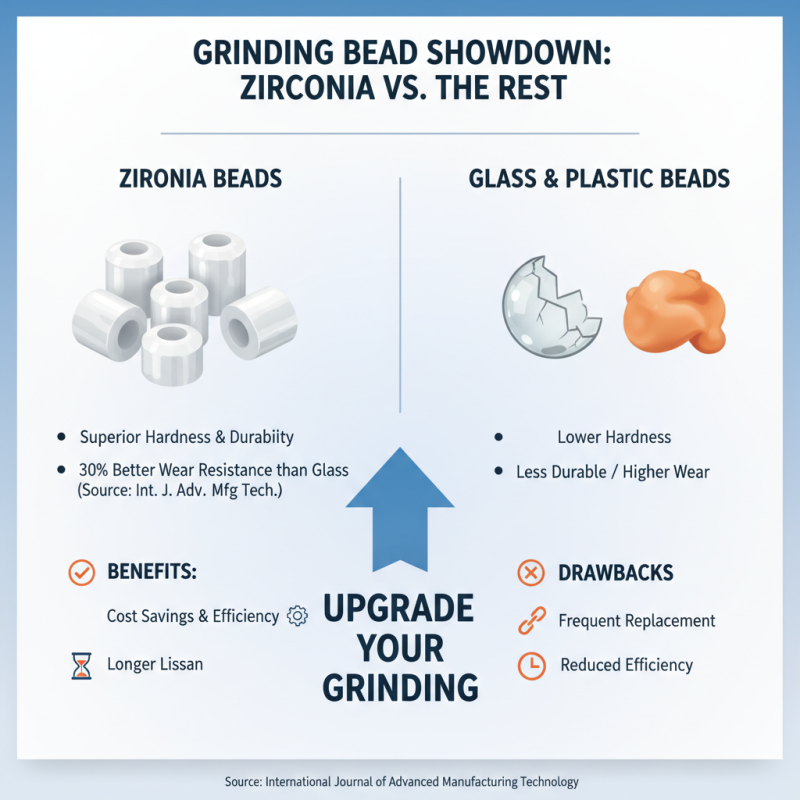
When considering materials for grinding beads, zirconia beads emerge as a strong candidate. Their durability and hardness make them substantially more effective than glass or plastic alternatives. A report by the International Journal of Advanced Manufacturing Technology indicates that zirconia beads outperform glass beads in terms of wear resistance by over 30%. This shows the potential cost savings and efficiency you can gain through using zirconia.
Zirconia beads typically have a density ranging from 6.0 to 6.2 g/cm³. This high density contributes to the efficiency of grinding processes, providing better particle size reduction. In contrast, lower-density materials often result in higher wear, increasing operational costs over time. A study by the American Society for Testing and Materials highlighted that failures in grinding efficiency can lead to a 15% reduction in throughput. In some scenarios, the choice of beads may significantly affect overall project performance, leading to critical reflections on material selection.
While zirconia beads bring numerous benefits, some factors worth considering include their higher initial cost. This can deter projects with limited budgets. Additionally, although believed to be the best, zirconia may not always be the ideal choice for every application. There are instances where lower-cost materials might suffice, highlighting the need for careful evaluation in material selection.
Applications of Zirconia Beads in Various Industries
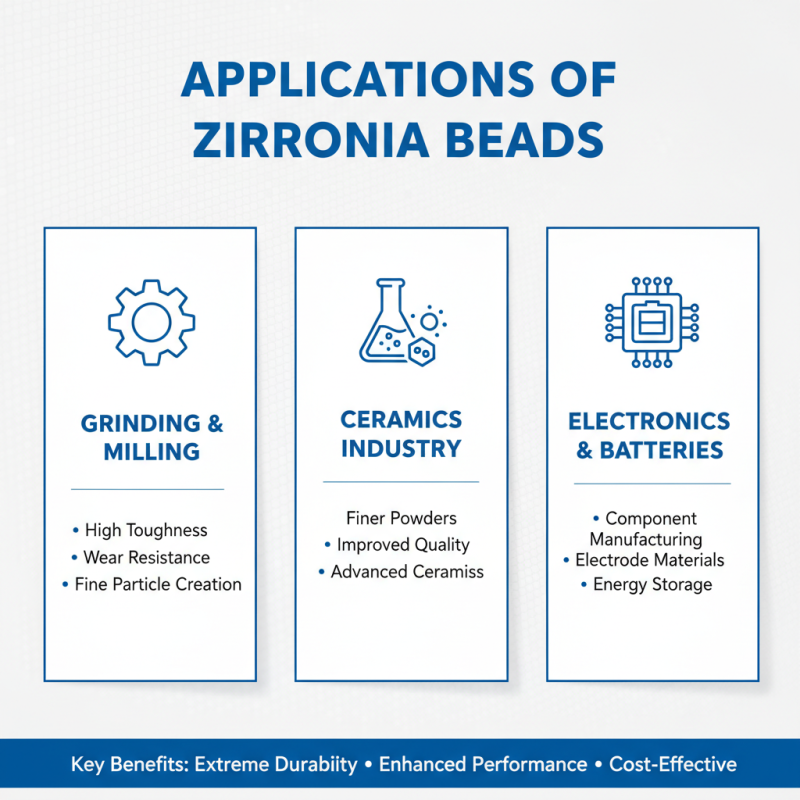
Zirconia beads are gaining attention across various industries due to their exceptional properties. They stand out for their high toughness and wear resistance. These characteristics make them suitable for applications in grinding and milling. In the ceramics industry, zirconia beads help create finer particles. This leads to improved quality in end products.
In the field of ink and paint production, zirconia beads are invaluable. They effectively disperse pigments, ensuring uniform color and consistency. Their smooth surfaces reduce wear on equipment, prolonging its lifespan. Additionally, in the pharmaceutical sector, these beads are employed in the manufacturing of drug formulations. Their biocompatibility is essential for medical applications.
While zirconia beads offer many advantages, challenges remain. The initial cost can be higher than alternatives. Users must consider the balance between cost and performance. It's crucial to evaluate project requirements before making a choice. Keeping these factors in mind can lead to better outcomes and innovative solutions in various industries.
Understanding the Manufacturing Process of 95 Percent Zirconia Beads
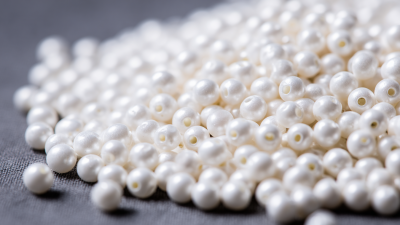
The manufacturing process of 95 percent zirconia beads begins with high-purity zirconium oxide. This material is mixed with stabilizers and then subjected to high temperatures. The result is a dense, robust bead that excels in grinding applications. During this stage, the processing conditions significantly influence the bead's final properties.
Achieving the right particle size is critical. Various milling and grinding techniques are employed to ensure uniformity. This precision directly impacts the bead's performance in projects. Attention to detail in this phase can prevent variations that lead to ineffective results.
Tips: Ensure proper mixing ratios to maintain bead consistency. Utilize high-quality materials for optimal performance. Regularly evaluate process conditions to mitigate variations.
Zirconia beads undergo rigorous quality checks before reaching the market. Testing for hardness and wear resistance is vital. These checks ensure the beads meet or exceed industry standards. Even minor discrepancies in the manufacturing process can influence their durability and efficiency.
Understanding these production nuances helps professionals select the right materials for their projects. It’s important to reflect on how these variables can alter project outcomes. Making informed choices based on manufacturing insights can lead to better results.
Why Choose 95 Percent Zirconia Bead for Your Next Project?
| Property |
Value |
| Material Composition |
95% Zirconia, 5% Other Oxides |
| Density |
6.0 g/cm³ |
| Hardness (Vickers) |
1200 HV |
| Mechanical Strength |
Rating: Excellent |
| Applications |
Industrial grinding, milling, and polishing |
| Cost-Effectiveness |
Higher initial investment, long-term savings on wear and tear |
Factors to Consider When Selecting Zirconia Beads for Your Project
When selecting zirconia beads for your project, multiple factors come into play. The composition plays a crucial role in the overall performance of the beads. A 95 percent zirconia bead offers a balance between durability and cost. This makes it a popular choice for various applications, such as grinding and milling. However, not all projects require the same bead intensity. Consider your specific needs before making a choice.
Another important aspect is the bead size. The size can affect the surface finish of your project. Finer beads provide a smoother finish, while larger beads may offer more aggressive cutting action. Additionally, compatibility with the material you’re working on is essential. Not all zirconia beads perform equally across different materials. You may need to experiment to find the best fit, which can be time-consuming.
Don’t overlook the environmental conditions as well. High temperatures and abrasive materials can wear down your beads faster. Choosing the right type ensures they last longer under harsh conditions. It's important to weigh these factors thoughtfully. Each project can be unique, and sometimes trial and error is necessary to achieve the best results.