
News
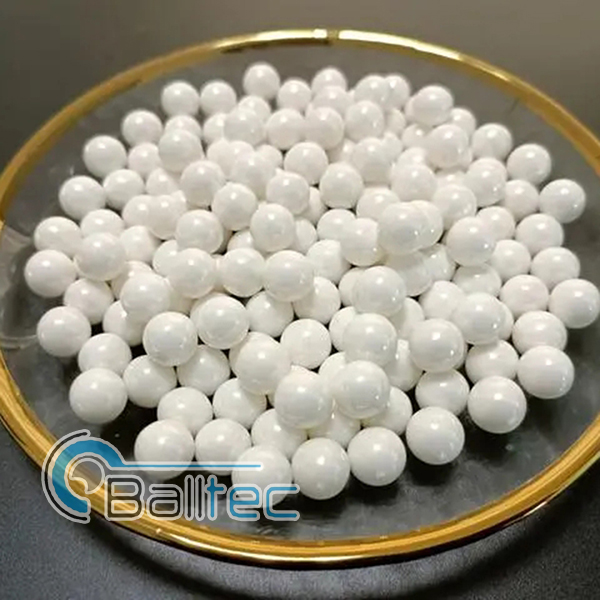
The manufacturing process of zirconia beads
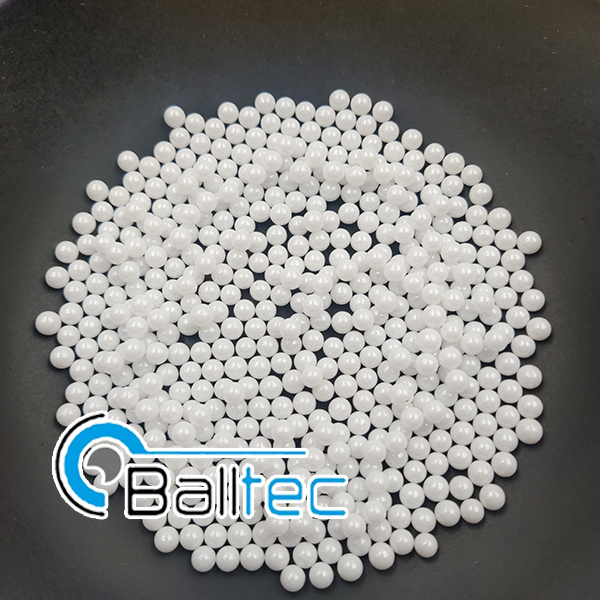
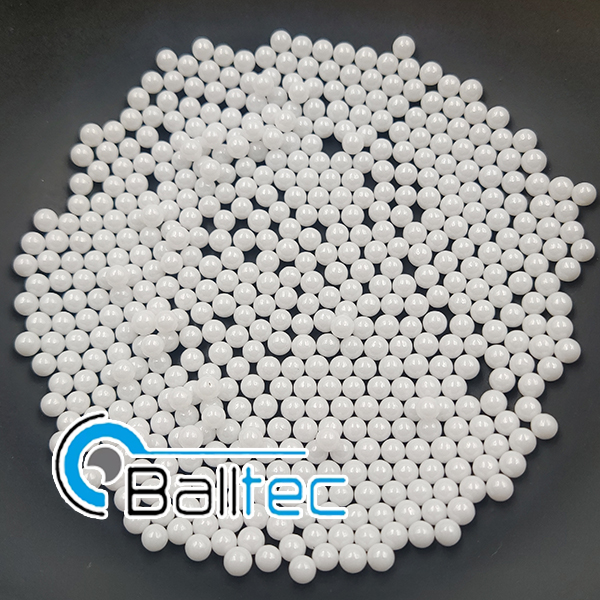
Zirconia beads are mostly composed of tetragonal zirconium polycrystal (TZP), hence they are also referred to as "TZP" zirconia beads. Manufactured from micron-grade and sub-nanometer-grade zirconia and yttrium oxide as raw materials, they are a type of grinding bead used for ultra-fine grinding and dispersion of materials requiring "zero contamination", high viscosity and high hardness.
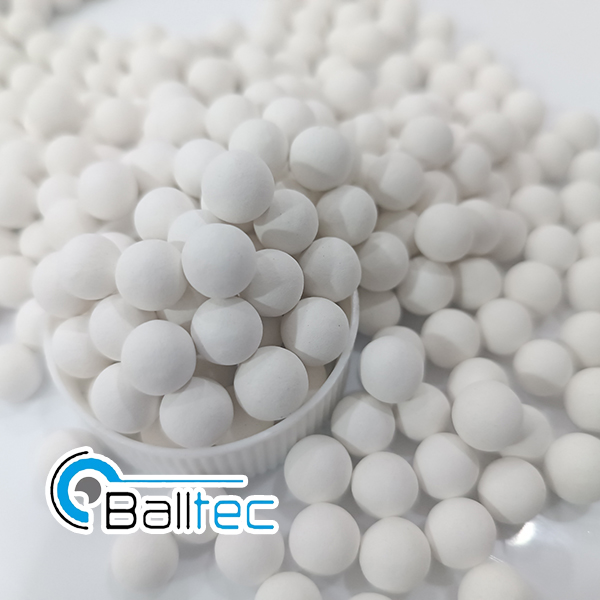
The preparation methods, advantages and disadvantages of alumina balls
Powder spheroidization methods include physical methods and chemical methods.
According to different material aggregation modes, the preparation methods of spherical alumina can be systematically classified into three categories: gas-phase method, liquid-phase method, and solid-phase method.

Inert alumina balls
Inert alumina balls feature high strength, excellent chemical stability, low water absorption and good thermal stability. They are resistant to high temperature, high pressure, and corrosion by acids, alkalis, salts and various organic solvents, and can withstand temperature changes encountered in production processes. They are widely used in petroleum, chemical, fertilizer, natural gas, environmental protection and other industries as support and covering media for catalysts inside reactors. They can buffer the impact of liquid and gas entering the reactor on the catalyst, support and protect active catalysts with low mechanical strength, and improve the distribution of liquid and gas within the reactor.
What are the uses and application scenarios of ceramic balls and ceramic packing?
(1) Ceramic Balls
They serve as covering, supporting and filtering materials, as well as catalyst carriers in various packed towers; they are also used as heat storage packing in air separation units and high-wear-resistance grinding media. Ceramic balls include: inert ceramic balls, porous ceramic balls, microporous ceramic balls, active ceramic balls, heat storage ceramic balls, and grinding ceramic balls.
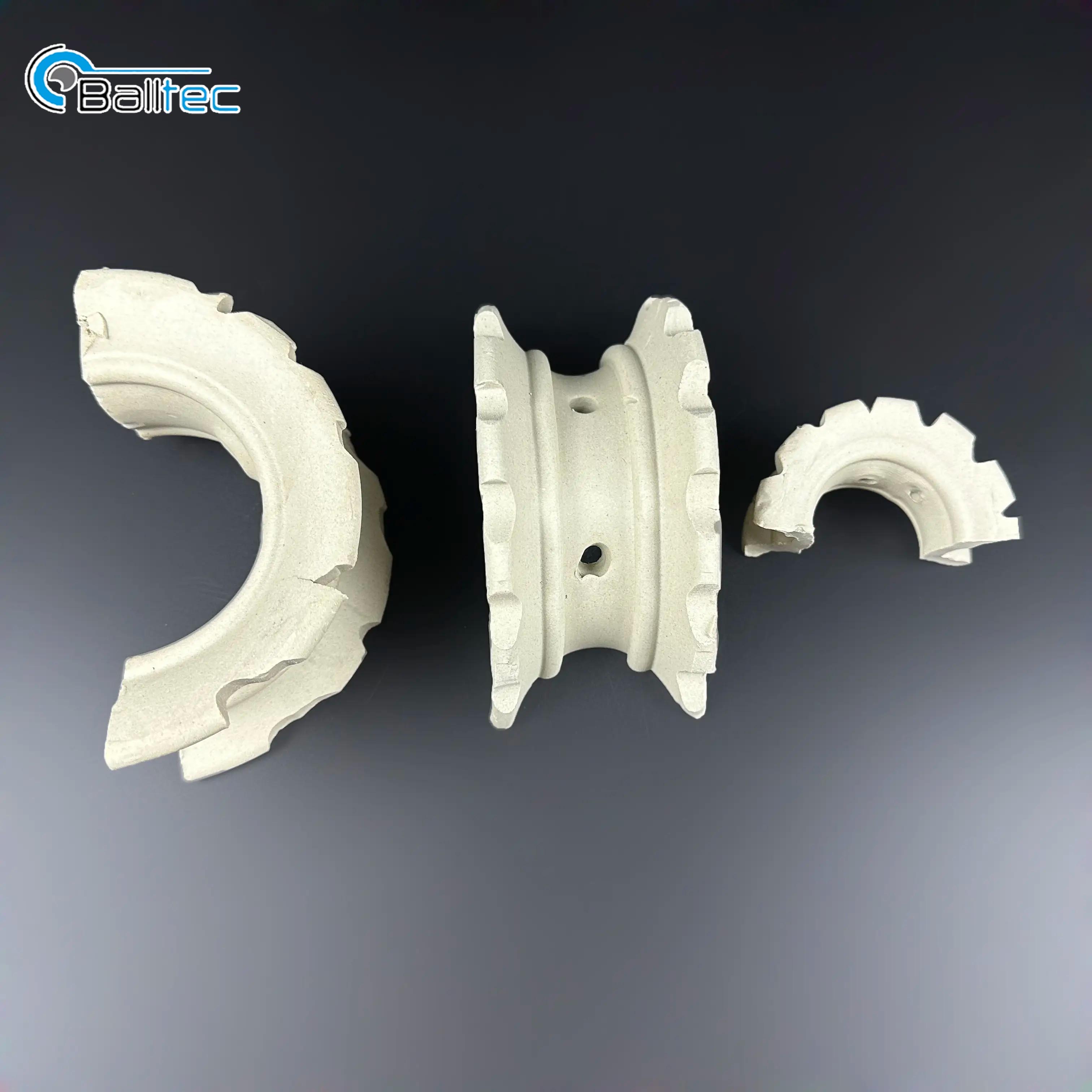
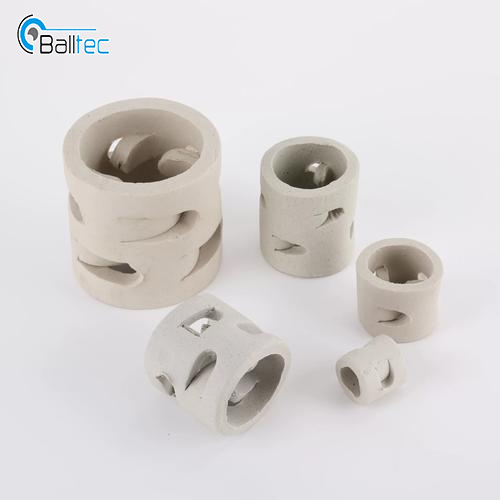
The core function of ceramic saddle rings
1. Enhance Mass Transfer Efficiency and Accelerate Reaction Rate
Improved on the basis of intalox saddles, ceramic Intalox super saddles feature serrated or corrugated raised structures instead of smooth curved sides, forming multi-channel fluid paths inside. This design significantly increases the specific surface area of the packing (typically reaching 100-200 m²/m³) and raises the porosity to over 85%. When gas and liquid flow through the packing layer, the contact area is expanded, the turbulence level is enhanced, and the exchange of reactants is more sufficient, thus remarkably improving the mass transfer efficiency.
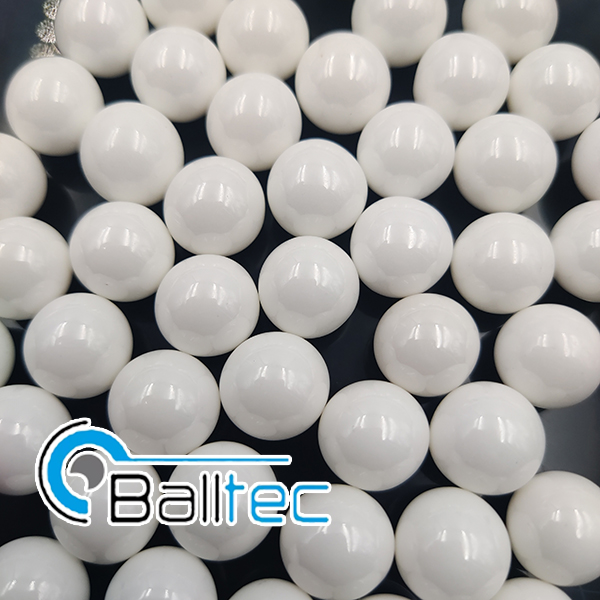
The main performance indicators of zirconia beads
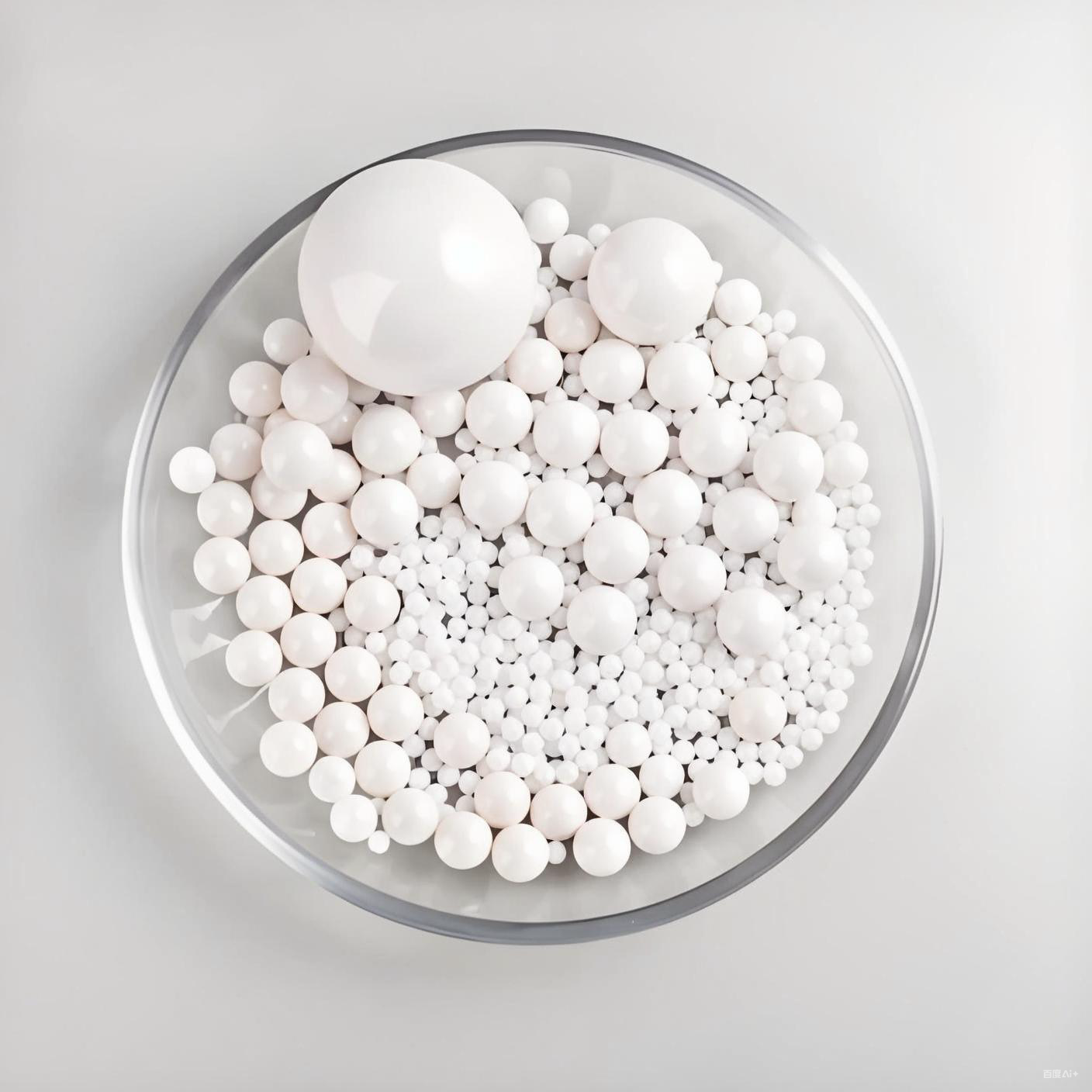
Zirconia beads are spherical particles with high strength, chemical inertness, extreme hardness and a fine particle size. Unlike other abrasives with irregular shapes, zirconia abrasives roll like steel balls between bearings during the grinding process. Featuring a high specific gravity, excellent rollability and great kinetic energy, zirconia beads can reduce the viscosity of formulations, improve fluidity and enhance coating performance. In the production process, the use of zirconia abrasives enables a reduction in resin dosage, an increase in filler loading, a higher solid content, lower VOC emissions and reduced production costs.