
News
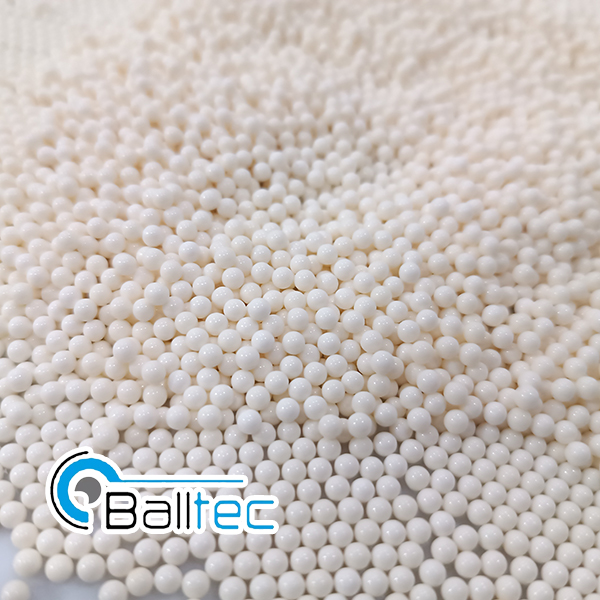
Characteristics and Applications of Alumina Balls
As ceramic materials
Spherical micropowder exhibits excellent compression molding and sintering properties, which is highly beneficial for producing high-quality ceramic products.

Performance Differences Between Inert Alumina and Activated Alumina Ceramic Balls
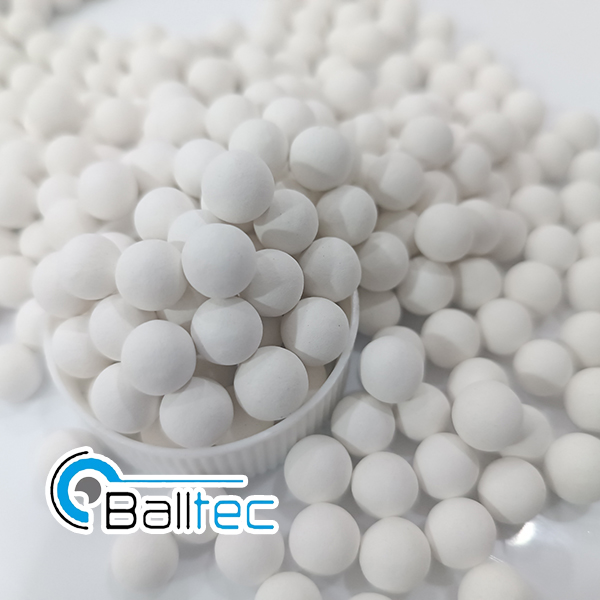
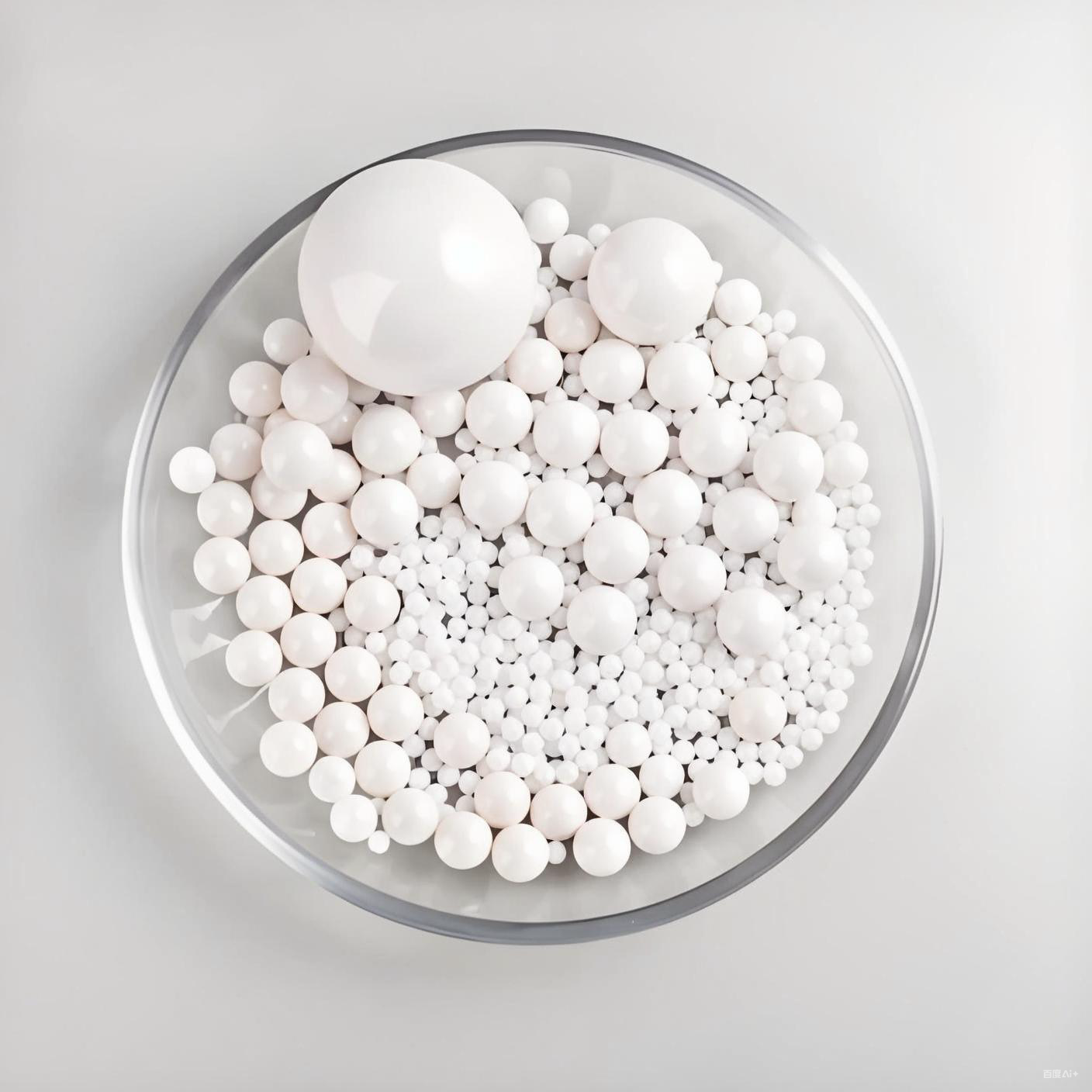
Activated alumina balls have numerous capillary pores and a large surface area, so they can be used as adsorbents, desiccants and catalysts.They show strong affinity for water, oxides, acetic acid, alkalis and other polar substances according to their polarity. Activated alumina balls are high-efficiency desiccants for deep dehydration and ideal adsorbents for polar molecules.
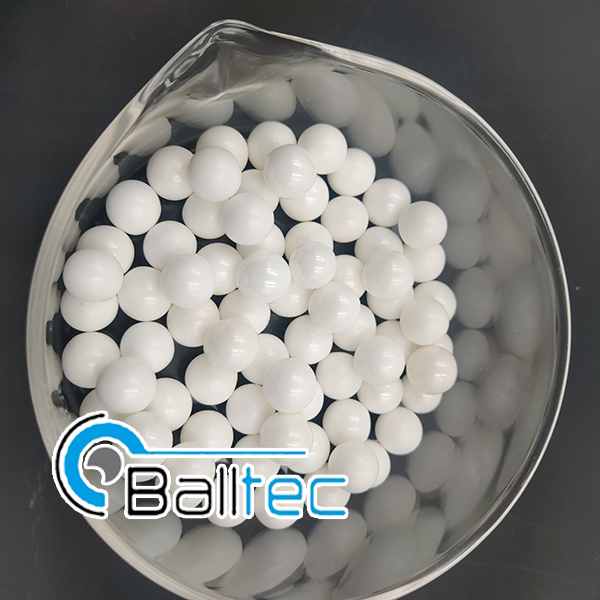
Nine Common Methods to Reduce Wear of Zirconia Grinding Balls
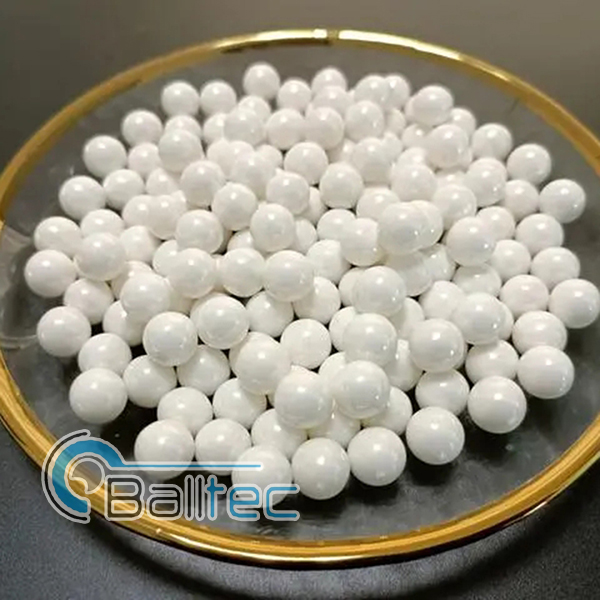
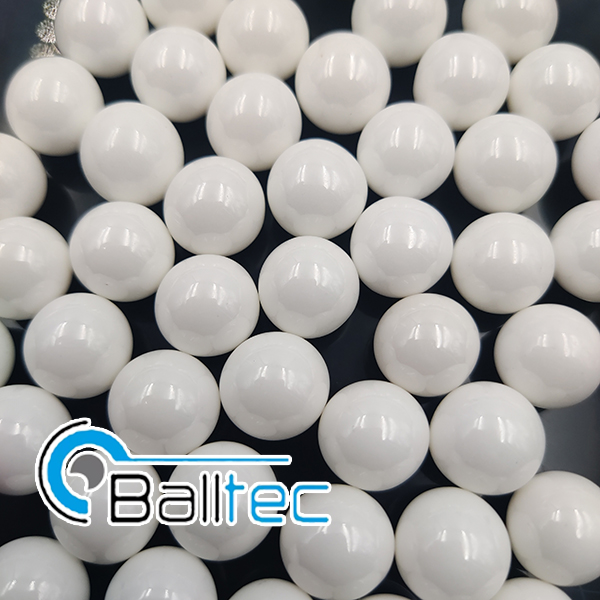
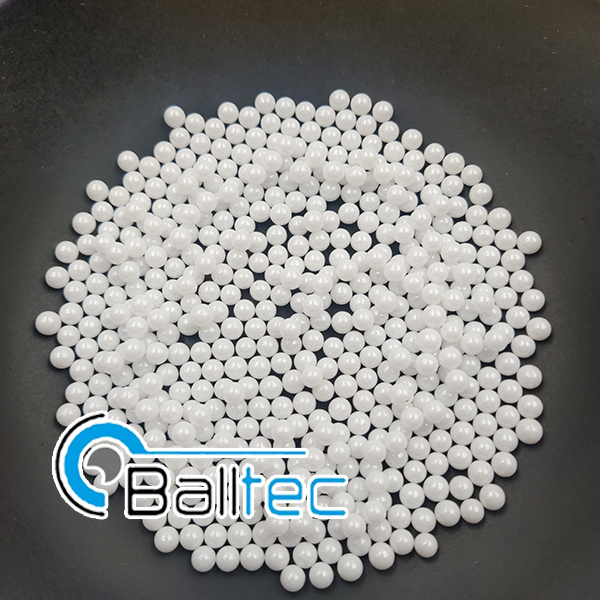
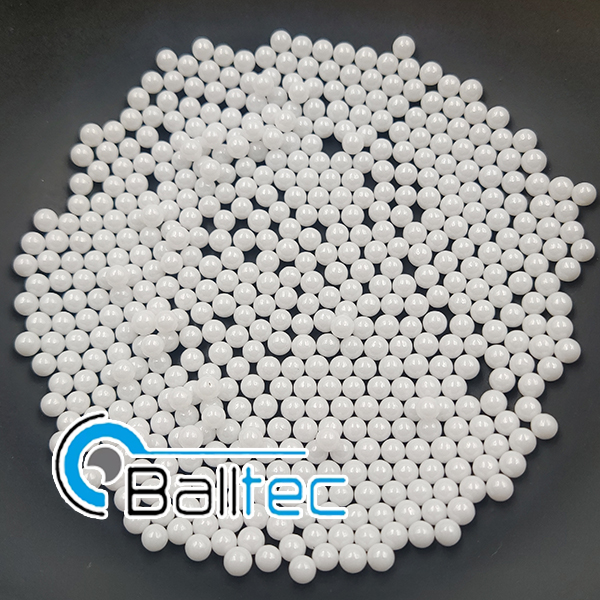
Zirconia beads and zirconia grinding balls both refer to spherical grinding media made from zirconia. They are generally used for ultra-fine grinding and dispersion of materials requiring high viscosity and high hardness.They are mainly applied in the grinding of electronic ceramics, magnetic materials, lithium battery materials, food, pigments, dyestuffs, coatings, inks, special chemical industries, and other materials.

Factors Affecting the Adsorption of Alumina Balls
As one of the commonly used adsorbents, the adsorption effect of alumina balls is obvious. If the adsorption effect is not ideal during use, it is necessary to check which factors have affected the adsorption performance of the product. Generally, the main factors affecting the adsorption effect of alumina balls are as follows:
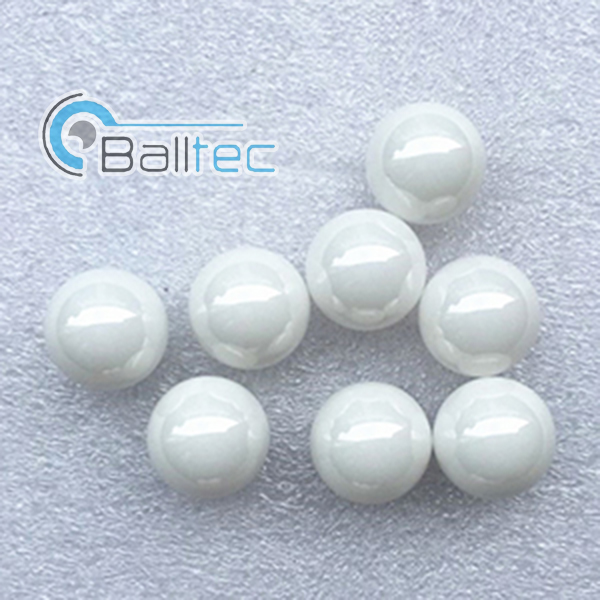
What can zirconia beads be used for?
Zirconia grinding beads can be used for primary crushing (0.5–3 mm), fine grinding (5–75 μm), precision grinding (0.1 μm), mixing, smallsample preparation, nanomaterial grinding and dispersion, alloying, synthesis, new product development, and smallbatch production of hightech materials.
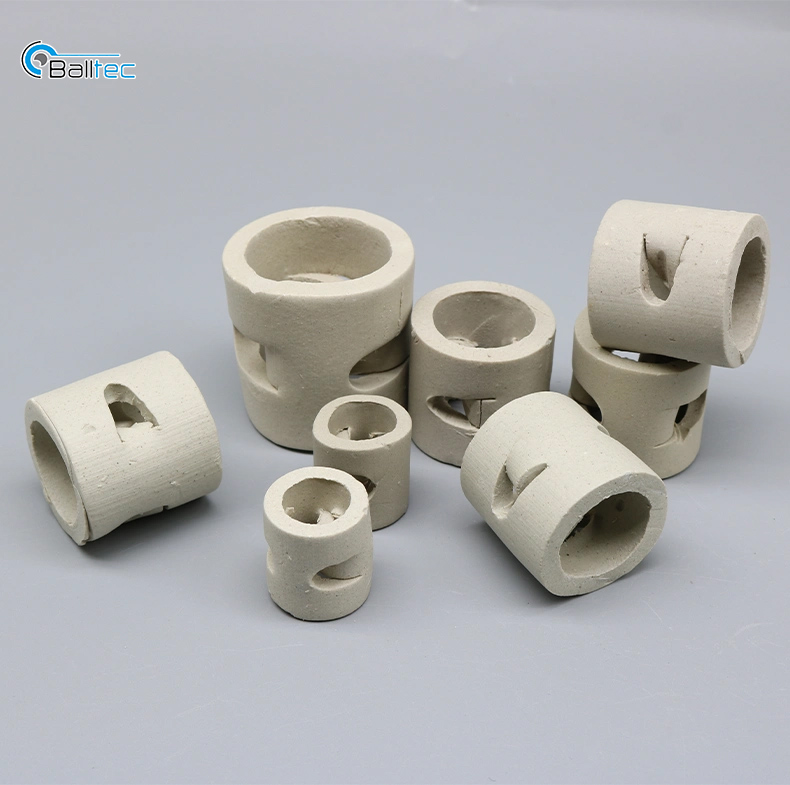
Comparison of Ceramic Ball Packed Columns and Raschig Rings
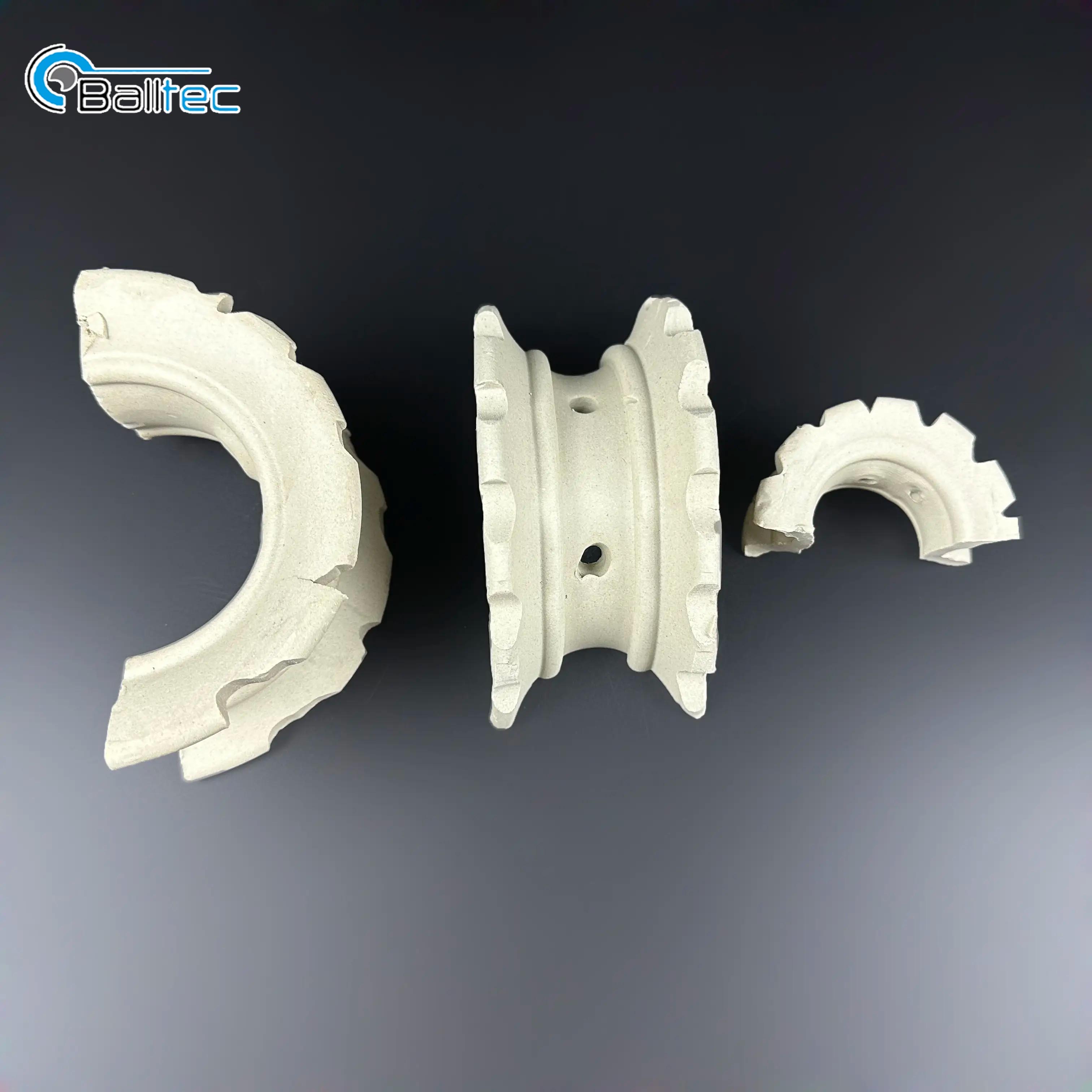
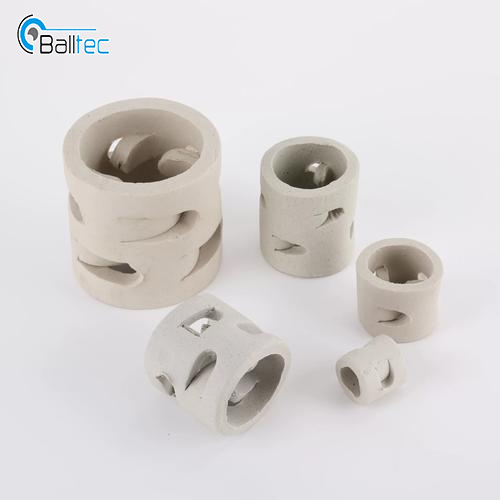
The shape of the ceramic Pall ring is designed to overcome the shortcomings of the ceramic Raschig ring in industrial applications, and great structural improvements have been made in the research and development of the ceramic Pall ring. Its structure is based on a cylindrical ring, with eight small windows on the outer wall, forming eight tongues that bend inward toward the center of the ring. The windows are arranged in two layers, with the positions of the upper and lower layers reversed. In this way, the symmetry of the ring structure prevents the packing from easily reacting with other materials.