10 Essential Tips for Sourcing Zirconia Oxide Balls Efficiently
Zirconia Oxide Balls are crucial in various industries, including ceramics, electronics, and precision engineering. Their high toughness and resistance to wear make them a favored choice for applications requiring durability. According to a recent market analysis, the global ceramic balls market is projected to reach $5.5 billion by 2025, emphasizing the growing demand for high-performance materials like zirconia oxide.
However, sourcing these balls efficiently poses challenges. Not all suppliers meet quality standards, and variations in manufacturing processes can lead to inconsistent product performance. For instance, data indicates that about 30% of zirconia oxide balls on the market fail to meet specified requirements, highlighting the need for careful supplier evaluation.
Understanding the nuances of sourcing zirconia oxide balls can save time and costs. Experts suggest that thorough research and supplier audits are essential steps. Focusing on established manufacturers with a track record of quality can reduce risks. Reliable sourcing strategies will optimize your processes and contribute to long-term success.

Understanding Zirconia Oxide Balls and Their Applications
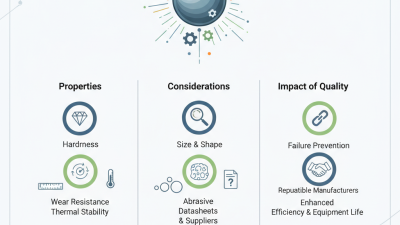
Zirconia oxide balls are widely known for their exceptional hardness and resistance to wear. These properties make them suitable for a variety of applications. Industries like ceramics, aerospace, and automotive rely on zirconia oxide balls for grinding and milling processes. Their low density also contributes to energy-efficient operations, making them a preferred choice.
Understanding the specific applications of zirconia oxide balls is crucial. In precision engineering, they ensure accuracy in machining and are vital in manufacturing high-quality components. However, sourcing these materials can be complex. Not all suppliers guarantee purity and consistency, which can impact performance. Careful evaluation of suppliers is necessary to avoid potential pitfalls and ensure reliability in production.
The market for zirconia oxide balls is competitive. Variability in quality exists among suppliers. Organizations must conduct thorough research before making sourcing decisions. Developing strong relationships with trusted suppliers enhances the reliability of your supply chain. Being aware of your needs and specifications will lead to better outcomes.
Key Factors to Consider When Sourcing Zirconia Oxide Balls
When sourcing zirconia oxide balls, several key factors should guide your decisions. Understanding material properties is crucial. Zirconia oxide is known for its hardness and resistance to wear. These qualities make it ideal for a variety of applications. However, knowing the specific uses for your zirconia oxide balls can help optimize your sourcing process.
Consider the size and shape of the balls you need. Different applications require different specifications. For example, smaller balls may be suitable for precision grinding, while larger ones could be better for general applications. Take time to assess these dimensions before making a purchase.
It's also essential to evaluate the supplier's reliability. Quality control processes must be in place. Ask about their testing methods and certifications to ensure the products meet industry standards. Occasionally, suppliers may overlook certain quality aspects, leading to risks in your project. By prioritizing thorough evaluation of both material and supplier, you can avoid costly mistakes.
Identifying Reliable Suppliers for Zirconia Oxide Balls
When sourcing zirconia oxide balls, identifying reliable suppliers is crucial. Quality and consistency are non-negotiable. Over 70% of manufacturers report difficulty in sourcing high-grade zirconia materials. Poor quality balls can lead to reduced performance and increased wear in applications. It's vital to verify supplier credentials through third-party certifications. ISO 9001 certifications are a good starting point, indicating adherence to quality management principles.
Engaging directly with suppliers can provide insights into their processes. A recent study highlighted that 56% of industry professionals prefer suppliers that share their manufacturing practices openly. Building a relationship fosters trust and transparency. Additionally, reviews and testimonials from previous clients can guide your choice. If there’s a lack of feedback, reconsider your options. Ensure suppliers have a solid track record in delivering to specifications.
Consider factors such as lead times and return policies. Many suppliers struggle with timely deliveries. A survey found that 40% of buyers experience delays impacting their production cycles. Suppliers should be proactive in managing expectations. Also, maintaining a balance between cost and quality is essential. Sometimes, the cheapest option doesn't guarantee reliability. Quality should always outweigh price in the long term.
Analysis of Zirconia Oxide Balls Sourcing Factors
Evaluating Quality Standards and Certifications for Zirconia Oxide Balls
When sourcing zirconia oxide balls, evaluating quality standards is key. These materials are widely used in various industries, from medical devices to aerospace applications. According to a recent industry report, the global market for zirconia ceramic materials is projected to reach $7.4 billion by 2027, reflecting growing demand.
Certifications such as ISO 9001 and ISO 13485 are vital. These standards ensure that manufacturers meet rigorous quality management and regulatory requirements. Companies that possess these certifications demonstrate their commitment to producing high-quality zirconia oxide balls.
However, not all suppliers maintain these standards consistently. A study indicated that approximately 25% of suppliers failed to meet certification requirements during audits. This inconsistency can lead to issues in product performance and longevity. Buyers must conduct thorough due diligence. It’s essential to verify the certifications claimed and review recent inspection reports.
Cost Management Strategies for Purchasing Zirconia Oxide Balls
Managing costs effectively when purchasing zirconia oxide balls requires a strategic approach. According to a 2022 market analysis, zirconia oxide balls can constitute up to 30% of overall project expenses in certain industries. Therefore, understanding market dynamics is crucial. Buyers can benefit from knowing the seasonality of price fluctuations. For instance, raw material availability can impact costs significantly.
Establishing long-term relationships with suppliers is vital. These relationships can offer better pricing structures and exclusive access to new materials. A recent study suggested that companies using strategic partnerships saw a reduction of up to 15% in procurement costs. However, relying solely on one supplier can pose risks. Diversifying sources can prevent supply chain disruptions.
Negotiating terms is another critical aspect. Buyers should not shy away from discussing bulk purchase discounts. Additionally, many suppliers are willing to offer trial quantities at reduced rates to secure long-term contracts. On a cautionary note, while seeking lower costs, quality must remain a priority. Compromising on quality for a lower price can lead to higher costs in the long run, especially regarding performance and durability in applications.
10 Essential Tips for Sourcing Zirconia Oxide Balls Efficiently - Cost Management Strategies for Purchasing Zirconia Oxide Balls
| Tip # |
Tip Description |
Key Benefits |
Estimated Cost Savings (%) |
| 1 |
Conduct thorough market research |
Understand pricing trends and suppliers |
5-10% |
| 2 |
Evaluate multiple suppliers |
Identify competitive pricing options |
10-15% |
| 3 |
Negotiate long-term contracts |
Lock in better pricing |
7-12% |
| 4 |
Consider bulk purchasing |
Reduce per-unit costs |
15-20% |
| 5 |
Use a quality management system |
Ensure product consistency |
3-5% |
| 6 |
Seek out local suppliers |
Lower shipping costs |
5-8% |
| 7 |
Analyze total cost of ownership |
Evaluate long-term expenses |
8-12% |
| 8 |
Leverage technology for sourcing |
Streamline procurement processes |
4-6% |
| 9 |
Participate in industry trade shows |
Network with potential suppliers |
Varies |
| 10 |
Regularly review supplier performance |
Maintain quality and cost efficiency |
4-10% |