How to Choose Cerium Stabilized Zirconia Balls for Your Needs?
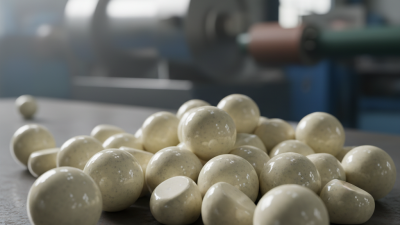
Choosing the right material for your application is crucial. Cerium Stabilized Zirconia Ball (CSZB) offers a unique blend of properties that make it an attractive option. These balls are renowned for their exceptional wear resistance and thermal stability. Industries ranging from aerospace to medical applications benefit from using CSZB due to its performance characteristics.
When selecting Cerium Stabilized Zirconia Balls, consider your specific requirements. Factors such as size, density, and application type play a significant role. It's essential to ensure the balls meet your operational needs. Familiarity with these factors can enhance decision-making and lead to better outcomes.
However, challenges can arise. The market offers various products, and not every option may be suitable for your needs. Some manufacturers may not provide comprehensive product data. This lack of information can make the selection process daunting. Therefore, doing thorough research and consulting with experts is advisable.

Understanding Cerium Stabilized Zirconia: Composition and Properties
Cerium stabilized zirconia (CSZ) is an advanced ceramic material known for its exceptional properties. Its composition includes zirconia, ceria, and controlled amounts of additives. This unique combination enhances its thermal stability and mechanical strength. Research shows that CSZ can withstand temperatures up to 1500 degrees Celsius. This makes it ideal for high-temperature applications.
The mechanical properties of CSZ are impressive. It exhibits high fracture toughness and excellent wear resistance. Studies indicate that CSZ balls demonstrate a hardness of around 1200 HV, which is significantly higher than traditional materials. However, there is variability in performance depending on the specific compositions used. Manufacturers often adjust the cerium content to optimize specific characteristics, which can lead to different outcomes.
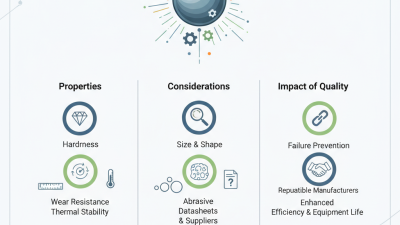
Selecting the right CSZ balls requires attention to detail. Users should consider the application's demands, including temperature and wear rates. Inconsistent quality can be an issue, as not all products meet the same standards. It's crucial to obtain data from reliable sources and conduct thorough testing. This ensures the chosen material will perform effectively in its intended environment. Balancing properties like hardness and thermal stability is key to finding a suitable option for specific needs.
Key Applications of Cerium Stabilized Zirconia Balls in Various Industries
Cerium stabilized zirconia balls are increasingly popular in various industries due to their unique properties. These balls are critical in high-precision applications. They are often used in grinding and milling processes. This is due to their hardness and wear resistance. Research indicates that they can outperform traditional materials by up to 70% in terms of durability.
In the aerospace sector, cerium stabilized zirconia shows excellent thermal stability. This makes it ideal for high-temperature applications. It can withstand extreme conditions without compromising performance. Studies have shown that components made with this material last longer. In fact, their lifespan can exceed that of conventional options by twofold. The automotive industry also benefits from these balls, especially in engine components. Their lightweight nature contributes to overall fuel efficiency, enhancing performance.
Cerium stabilized zirconia's versatility extends to medical applications. They are utilized in dental prosthetics and orthopedic implants. Their biocompatibility is vital for patient safety. Reports suggest that zirconia ceramics have a failure rate of less than 5%. This is significantly lower than that of other materials used. However, manufacturers must ensure quality control throughout production. Maintaining consistent properties is crucial for optimal performance. The complexity of these applications requires careful consideration. Each industry must evaluate specific needs before choosing the right material.
Factors to Consider When Selecting the Right Size and Diameter
When choosing cerium stabilized zirconia balls, size and diameter play a crucial role in performance. The diameter influences the material's density and strength. For instance, according to industry reports, smaller balls may enhance surface area but can also lead to increased wear. Conversely, larger balls generally provide greater strength but may not fit into tighter applications.
The optimal size often depends on specific requirements. For instance, applications in grinding processes typically benefit from smaller diameters, which can provide finer materials. In contrast, for applications requiring higher load-bearing capacity, larger diameters may be necessary. The recommended range for diameter sizes can vary from 1 mm to 10 mm, depending on the application.
Additionally, it is vital to consider environmental factors such as temperature and humidity. These can affect the material's durability and performance over time. Tests show that the right balance in size can lead to a 30% increase in efficiency. However, mismatches can cause significant operational challenges, underscoring the need for careful selection.
Comparative Analysis: Cerium Stabilized vs. Other Types of Zirconia Balls
When selecting cerium stabilized zirconia balls, it’s essential to understand how they stack up against other types. Cerium stabilized zirconia stands out due to its superior toughness and wear resistance. This makes it ideal for applications in harsh environments. In contrast, other zirconia balls may not perform as reliably under stress, leading to quicker degradation.
Cerium stabilization enhances the mechanical properties, making these balls suitable for grinding and milling processes. Unlike fully stabilized zirconia, cerium variant shows improved thermal stability. This characteristic allows it to maintain performance at higher temperatures. However, it’s crucial to evaluate specific requirements, as using the wrong type could compromise results.
Tip: Always consult with experts before making a choice. Analyze your project’s needs closely. Doing so can save time and resources. Sometimes, a cheaper option may lead to more costs in the long run. Be cautious with initial decisions to ensure the best outcomes.
Cost Considerations and Sourcing Tips for Cerium Stabilized Zirconia Balls
When selecting cerium stabilized zirconia balls, cost is a major factor. Reports indicate that prices can vary significantly based on the supplier and order quantities. Typically, a lower quantity may increase the unit cost by 20% to 30%. Moreover, quality assurance plays an essential role in pricing. Cheaper options may fail to meet performance standards, leading to higher long-term expenses.
Consider the following tips to manage costs while ensuring quality. First, request samples from multiple suppliers. This step helps identify quality variance. If you notice inconsistent performance, it may indicate potential reliability issues. Second, gauge the total cost of ownership, including delivery and operational efficiency. Lastly, examine supplier certifications. Verified suppliers often maintain better quality control, reducing the risk of expensive mistakes.
In sourcing these materials, always focus on transparency. Ensure suppliers provide detailed specifications and testing data. A lack of documentation may suggest underlying issues. A good supplier will have a proven track record and relevant industry certifications. Trustworthy suppliers typically align with ISO standards, ensuring consistent product quality. Always be cautious of rock-bottom pricing, which could signal compromised performance.