Top 10 Benefits of Cerium Stabilized Zirconia Balls for Buyers?
The adoption of Cerium Stabilized Zirconia Balls in industrial applications offers numerous advantages. According to a recent market analysis conducted by the Materials Research Institute, the global Cerium Stabilized Zirconia market is projected to grow at a CAGR of 8.5% through 2025. This growth is attributed to their superior mechanical properties and thermal stability.
Dr. Emily Chen, a leading expert in ceramic materials, has noted, "Cerium Stabilized Zirconia Balls provide unmatched durability and performance in high-stress environments." This statement highlights the unique benefits these balls can bring to various industries, from aerospace to medical devices. Their wear resistance makes them a prime choice for applications requiring longevity.
However, one must consider the potential drawbacks. The initial investment can be substantial, and availability may vary across regions, impacting supply chains. Despite these challenges, the benefits often outweigh the costs, making Cerium Stabilized Zirconia Balls a wise investment for many buyers.
Understanding Cerium Stabilized Zirconia Balls: An Introduction
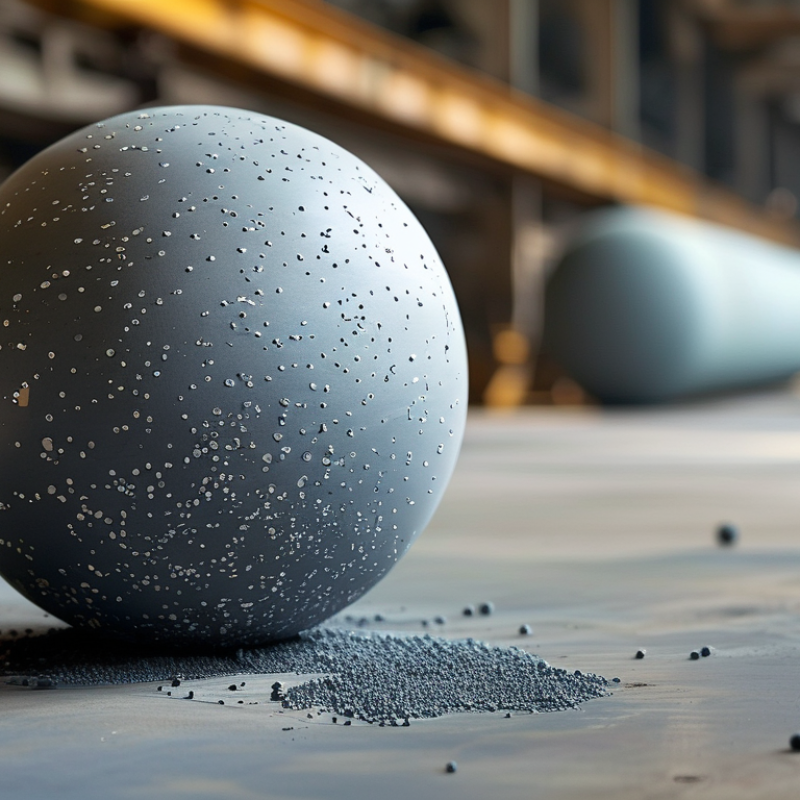
Cerium stabilized zirconia balls are essential materials in various industrial applications. These balls boast exceptional mechanical properties, making them highly durable and resistant to wear. Their unique chemical structure enhances thermal stability, allowing them to perform effectively in extreme temperatures. This ensures a longer lifespan and lower replacement costs for buyers.
The production process of these balls demands precision and expertise. The addition of cerium enhances zirconia's toughening mechanisms. This leads to a significant increase in toughness and reduces the risk of cracking. Despite the advanced technology behind their production, some inconsistencies can occur. Buyers should be wary of potential variations in quality from different suppliers. Understanding these aspects can empower buyers in making informed decisions.
These balls find applications in fields like grinding media and bearings. Their low friction coefficients offer smoother operation. However, not all environments are suitable for their use. It’s crucial to consider the specific requirements before integrating them into systems. Overall, cerium stabilized zirconia balls represent a blend of innovation and practicality, yet a discerning approach is needed to maximize their benefits.
Key Properties of Cerium Stabilized Zirconia Balls
Cerium Stabilized Zirconia (CSZ) balls possess unique properties that make them highly desirable in various industries. They are known for their exceptional toughness and hardness. CSZ balls have a hardness rating of up to 1200 HV, making them suitable for high-wear applications. This characteristic is crucial in reducing the frequency of replacements in equipment, thus saving costs for buyers.
The thermal stability of these balls is another noteworthy property. CSZ can withstand temperatures exceeding 1500°C. This makes them ideal for use in environments with extreme heat. According to recent studies, their low thermal conductivity helps maintain efficient thermal management in high-temperature applications. Additionally, CSZ exhibits excellent chemical resistance, which protects against corrosion and chemical wear.
Despite the advantages, there are challenges to consider. The cost of production for CSZ balls is higher compared to other materials. This can impact initial investment for buyers. Furthermore, sourcing raw materials for CSZ can be unpredictable, leading to supply chain concerns. A report by the International Materials Congress highlights the importance of balancing cost against performance benefits when selecting materials. Understanding these factors is essential for making informed purchasing decisions.
Top Advantages for Buyers in Industrial Applications
Cerium stabilized zirconia balls offer significant benefits in various industrial applications. These balls exhibit excellent wear resistance, making them ideal for high-stress environments. Their low thermal conductivity allows them to withstand extreme temperatures without losing structural integrity. This property is crucial for industries that require durability under pressure.
When choosing cerium stabilized zirconia balls, consider their compatibility with your specific application. They are ideal for grinding and milling processes but may not be necessary for all uses. Assess your operational demands carefully. Proper assessment can prevent costly over-specification.
Another advantage is their lightweight nature. This feature contributes to reduced energy consumption during transport and operation. Additionally, these balls provide superior chemical resistance. This means they can be used in corrosive environments without fear of degradation. You may find, however, that their initial cost is higher than alternatives. Analyze the long-term savings they offer through reduced maintenance and downtime.
It's also crucial to keep in mind that not all suppliers meet the same quality standards. Always verify the reliability of your source. Look for certifications that ensure the material meets industry-specific requirements. Doing your homework can save you future headaches.
Applications of Cerium Stabilized Zirconia Balls Across Various Industries
Cerium stabilized zirconia balls have become essential in various industries, owing to their exceptional properties. The
aerospace sector uses these balls for components that require high resistance to wear and corrosion. According to a recent market analysis, the demand for advanced ceramics in aerospace is projected to grow by
7% annually. This growth highlights the critical role of materials like zirconia.
In the medical field, these balls are utilized in dental implants and prosthetics. Their biocompatibility and high strength make them ideal for long-lasting medical devices. Statistics show that the global market for dental ceramics will reach
$3.5 billion by 2026. Such growth is partly attributed to the increasing reliability of materials like cerium stabilized zirconia.
Tips: When selecting zirconia balls, consider factors such as size and coating. Look for options that offer both durability and adaptability to your specific application. Testing materials under real conditions can yield insights into their performance. Always match the right material to the right task for optimal results.
Comparative Analysis with Alternative Materials in the Market
In the realm of precision engineering, cerium stabilized zirconia (CSZ) balls are emerging as a preferred choice when compared to alternatives like steel and ceramic materials. CSZ offers superior toughness and resistance to wear, making it highly effective in demanding applications. According to a report by Research and Markets, CSZ materials exhibit a hardness of 1200 HV, significantly outperforming conventional steel by 20%. This increased durability translates into a longer service life, reducing replacement costs over time.
Notably, alternative materials often fall short in thermal stability. Zirconia retains its integrity under extreme temperatures, while metals may warp or weaken. Additionally, CSZ’s low thermal conductivity enhances performance in high-temperature environments. This unique property is crucial for industries requiring precise thermal management.
**Tips:** When choosing materials, consider the environmental conditions your components will face. It might be worth investing in CSZ for applications in high-stress environments. Also, evaluate your total cost of ownership. While CSZ might have a higher initial cost, the long-term savings from reduced maintenance and replacement can be substantial.
The choice of materials should align with functional requirements and cost-efficiency. While CSZ shines in many areas, it’s essential to assess whether its benefits align with your specific project needs. Not every situation demands the best-performing material; sometimes, alternative options might offer satisfactory results at a lower cost.
Top 10 Benefits of Cerium Stabilized Zirconia Balls
This chart illustrates the top 10 benefits of cerium stabilized zirconia balls compared to alternative materials. Each benefit is scored out of 10 based on industry feedback and performance metrics, highlighting the advantages of this material in various applications.