Top 10 Yttria Zirconia Beads for Importing from China?
In the world of advanced materials, Yttria Zirconia Beads have gained significant attention. These beads are highly sought after for their strength and durability. Renowned expert Dr. Sarah Wu, a materials scientist, states, "Yttria Zirconia Beads are pivotal for precision applications, elevating performance across industries."
Manufactured primarily in China, these beads offer a competitive edge. Importing quality Yttria Zirconia Beads can transform product efficacy in various sectors. For instance, their application spans from ceramics to dental solutions. However, ensuring quality during import is crucial.
While many suppliers exceed expectations, some may not meet industry standards. Careful selection is essential. Potential buyers must consider supplier certifications and product testing. The journey of sourcing these beads can be challenging, yet rewarding when done right. It's vital to approach this market with insight and caution.
Top 10 Yttria Zirconia Beads: Overview of Market Demand and Supply
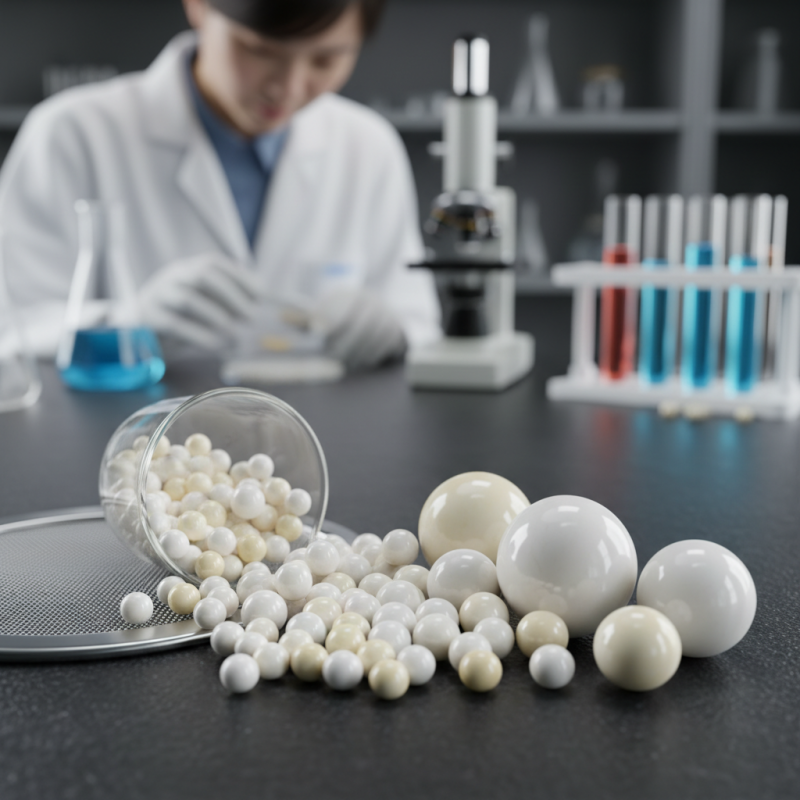
The market for yttria zirconia beads has been experiencing significant growth. They are widely used in various industries due to their excellent durability and resistance to wear. These beads serve multiple purposes, including grinding and polishing materials. Their high performance makes them essential in metal and ceramic processing.
Demand often fluctuates based on market trends. Companies look for reliable suppliers to ensure consistent quality. However, challenges exist in sourcing these materials. Not all suppliers meet the necessary quality standards. It’s crucial to conduct thorough research before making purchasing decisions. Many buyers overlook the importance of supplier reliability, which can lead to costly mistakes.
In terms of supply, manufacturers in China dominate the market. They produce affordable options, which attracts importers. However, quality can vary greatly. Proper vetting of suppliers is necessary. Buyers should consider certifications and past performance. This can help mitigate risks associated with poor-quality products. Ongoing communication with suppliers can lead to better relationships and improved supply chains.
Key Specifications for High-Quality Yttria Zirconia Beads in Industry
Yttria-stabilized zirconia (YSZ) beads are crucial in various industrial applications, from ceramics to electronics. High-quality YSZ beads exhibit specific characteristics that ensure optimal performance. The average density should be around 6.05 g/cm³, and the purity level must exceed 99.5%. Low porosity is vital, ideally below 1%, to enhance durability during use.
Particle size distribution plays a significant role. A uniform size range of 0.1 to 1.0 mm is preferred to ensure even dispersion in applications. The hardness of high-quality YSZ beads is another critical specification. They should typically exhibit a Vickers hardness of over 1200 HV. This ensures they can withstand the mechanical stresses encountered in grinding and milling processes.
Interestingly, while many suppliers claim high purity, inconsistencies often exist. Industry standards indicate that a substantial number fall short of the 99.5% threshold. This raises questions regarding the methods used during manufacturing. Understanding these specifications is crucial for anyone venturing into importing YSZ beads from China. It forms a foundation for selecting reliable suppliers amidst market saturation.
Comparison of Leading Manufacturers of Yttria Zirconia Beads in China
Yttria zirconia beads are essential in various industrial applications. They are known for their durability and chemical resistance. When considering importing from China, understanding the leading manufacturers is crucial. Each has unique strengths and product offerings.
Some manufacturers focus on high purity materials. They ensure consistent quality, crucial for industries like ceramics and electronics. Other companies may excel in innovative production processes, giving them a competitive edge. Evaluating these factors helps identify the right supplier for your needs.
However, not all manufacturers meet export quality standards. Importers must conduct thorough research to avoid unreliable suppliers. Even reputable companies may have occasional quality control issues. It’s important to engage in direct communication and request sample products to assess quality before making large orders.
Top 10 Yttria Zirconia Beads for Importing from China
| Manufacturer |
Product Type |
Bead Diameter (mm) |
Purity (%) |
Price per kg (USD) |
Lead Time (Days) |
| Manufacturer A |
Standard Beads |
1.0 |
99.5 |
100 |
30 |
| Manufacturer B |
High-Performance Beads |
0.8 |
99.7 |
150 |
45 |
| Manufacturer C |
Premium Beads |
1.2 |
99.9 |
200 |
60 |
| Manufacturer D |
Eco-Friendly Beads |
1.5 |
99.4 |
90 |
40 |
| Manufacturer E |
Industrial Beads |
1.0 |
99.8 |
110 |
25 |
| Manufacturer F |
Specialty Beads |
0.9 |
99.6 |
130 |
35 |
| Manufacturer G |
Standard Beads |
1.0 |
99.5 |
95 |
20 |
| Manufacturer H |
Ultra-Fine Beads |
0.7 |
99.8 |
180 |
50 |
| Manufacturer I |
High-Density Beads |
1.1 |
99.6 |
160 |
42 |
| Manufacturer J |
Nano Beads |
0.6 |
99.9 |
220 |
70 |
Market Trends and Price Analysis for Yttria Zirconia Beads in 2023
In 2023, the market for Yttria Zirconia beads experienced notable trends. The demand for these advanced materials is driven by their unique properties. These beads are known for their high strength and durability. Industries such as ceramics and electronics increasingly prefer them. This shift has led to a significant growth in the import market.
Data from industry reports indicate that global imports of Yttria Zirconia beads saw a rise of 15% compared to 2022. The average price per kilogram fluctuated between $30 to $50. This variance depends largely on purity levels and sourcing conditions. Moreover, suppliers are now focusing on quality improvements, which are essential for competitive pricing. However, inconsistencies in material quality still pose challenges. Buyers must be vigilant and ensure they receive products that meet their specifications.
Analysts suggest that the market is likely to mature further. Innovations in production methods could stabilize prices. However, potential fluctuations due to geopolitical factors could impact import dynamics. Understanding these nuances will be vital for companies entering this space. Discrepancies in quality control remain a pressing issue. Buyers must prioritize sourcing from reliable suppliers to mitigate risks.
Import Regulations and Considerations for Yttria Zirconia Beads from China
When importing yttria zirconia beads from China, understanding regulations is critical. These beads are widely used in ceramics, dental applications, and abrasives. According to a report by the International Trade Centre, the global demand for zirconia materials has grown by 12% annually. This increase indicates the importance of complying with various import regulations.
Customs requirements are paramount. Ensure that all necessary documentation, such as certificates of origin and quality assurance, is in order. The import duties for yttria zirconia beads can vary. For instance, they may reach up to 5% in some regions. Delays may occur without proper certificates. Be prepared for additional inspections at customs.
Moreover, quality control standards differ across countries. The acceptable levels of impurities and other specifications might vary significantly. Engaging with reliable suppliers can help mitigate risks. However, not all suppliers maintain the same quality. Conducting thorough vetting is essential. This can help prevent costly mistakes and ensure that the quality of imported beads meets industry standards.
Top 10 Yttria Zirconia Beads for Importing from China
This chart illustrates the import volumes (in tons) of the top 10 yttria zirconia beads sourced from China. Each bead has been evaluated based on market demand and supply trends, providing insight into potential import opportunities.