2026 Best Yttria Zirconia Beads for Global Buyers?
In the dynamic world of manufacturing, the demand for high-quality Yttria Zirconia Beads remains critical. As global industries innovate, these beads play an essential role in various applications, including grinding and polishing. According to Dr. Amelia Harper, a renowned expert in materials science, “Yttria Zirconia Beads are revolutionizing precision engineering through their unmatched durability and consistency.”
The selection of the best Yttria Zirconia Beads for 2026 will influence product quality and production efficiency. Buyers must consider factors such as bead size, composition, and supplier reliability. Various manufacturers are competing to produce beads that withstand intense industrial conditions. Yet, not all beads meet these stringent requirements, leading to potential challenges for buyers.
The landscape is shifting as new technologies emerge. Balancing performance with cost-effectiveness is a challenge for many in this sector. Some manufacturers offer lower-priced options that may not deliver the expected quality. Thus, discerning buyers must navigate these complexities to make informed choices. Despite the improvements, there's always room for reflection on how these materials can evolve further to meet ever-changing industry standards.
Overview of Yttria Stabilized Zirconia Beads
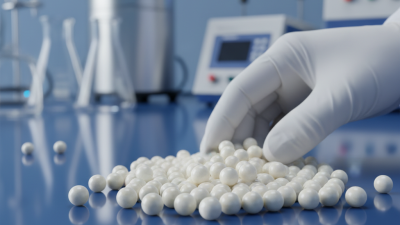
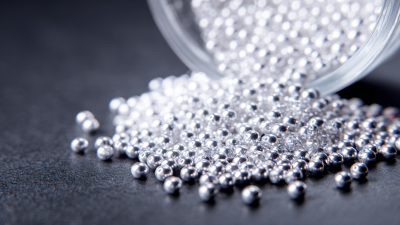
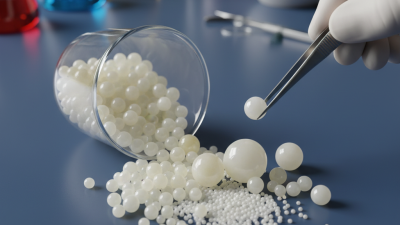
Yttria stabilized zirconia (YSZ) beads are essential in various applications, especially in grinding and milling processes. These beads offer high wear resistance, which enhances the efficiency of manufacturing. YSZ beads possess excellent mechanical properties and thermal stability, making them a preferred choice for many industries. They excel in producing super-fine materials and can work in extreme conditions.
When selecting YSZ beads, consider their size and density. The appropriate bead size can significantly affect the grinding efficiency and final output quality. It’s also essential to assess the compatibility of the beads with the material being processed. Small variations in beading can lead to entirely different outcomes.
Tips: Always conduct a small-scale test before large-scale application. This practice can prevent unexpected issues. Monitor wear patterns on beads to understand their lifespan better. Remember, achieving the best results often requires trial and error. Ongoing adjustments based on specific needs can yield significant improvements. Be open to revisiting your choices based on performance feedback.
Key Applications of Yttria Zirconia Beads in Industry
Yttria zirconia beads are gaining traction in various industries due to their unique properties. Their hardness and wear resistance make them ideal for applications in ceramic grinding and polishing. According to industry reports, these beads can enhance productivity by up to 30% in grinding processes. This efficiency is crucial for manufacturers aiming to reduce operational costs while maintaining high-quality output.
In the field of electronics, yttria zirconia beads are increasingly used in the production of components that require precision and durability. Their thermal stability allows them to perform well in environments with significant temperature fluctuations. Data indicates that the global demand for such materials is projected to grow by 15% annually. This trend reflects the ongoing advancements in technology and the need for superior materials.
Tip: When selecting yttria zirconia beads, consider testing different sizes and compositions to find the most suitable option for your specific application. Each variation may exhibit different performance characteristics.
Balancing quality and cost remains a challenge. Not every buyer fully understands the long-term benefits of investing in high-quality beads. It’s essential to weigh the initial costs against potential savings in maintenance and replacement.
Evaluating Quality and Specifications of Yttria Zirconia Beads
Yttria zirconia beads are widely used in various industries for their unique properties. They are known for their high density and durability. The beads are often employed in grinding and dispersing materials due to their exceptional wear resistance. According to a 2023 industry report, maintaining the ideal Yttria-to-Zirconia ratio is crucial for optimal performance. A higher yttria content typically enhances toughness while reducing brittleness.
Quality checks for these beads often focus on particle size and distribution. The report reveals that uniformity in size can improve grinding efficiency by 30%. Additionally, fewer impurities result in better performance and longer lifespan. However, many suppliers still struggle with consistency. Some batches might show significant variations, leading to potential issues in applications.
Examining the specifications of yttria zirconia beads is vital for global buyers. Buyers should ensure that data sheets illustrate clear details about composition and manufacturing processes. This transparency helps in making informed purchasing decisions. A rigorous evaluation process can prevent costly mistakes. Industry experts recommend requesting multiple samples before committing to significant orders. Accurate assessments can lead to improved results in final products.
Top Global Suppliers and Manufacturers of Yttria Zirconia Beads
The demand for yttria zirconia beads is increasing in various industries. These beads are known for their durability and effectiveness in applications like grinding and polishing. A recent industry report suggests the global yttria zirconia market is projected to grow significantly, reaching new heights by 2026. This growth is attributed to their use in advanced materials and coatings.
Key suppliers and manufacturers play a crucial role in the supply chain. They ensure the availability of high-quality products that meet international standards. These companies invest in research and development to improve the performance of their beads. A well-known trend is the focus on sustainable manufacturing practices. More businesses are seeking suppliers who prioritize eco-friendly processes.
Tip: When selecting a supplier, consider their commitment to quality and sustainability. Checking for certifications can provide assurance of their practices. Also, ask for performance reports to see if their products meet your requirements. Remember, the right choice impacts your production efficiency and overall product quality.
Trends and Innovations in Yttria Zirconia Bead Production
Yttria stabilized zirconia (YSZ) beads are increasingly popular across various industries due to their superior properties. The production of these beads is witnessing notable trends and innovations, driven by advancements in materials science and manufacturing technologies. According to a recent report by Market Research Future, the yttria zirconia bead market is projected to grow at a CAGR of 6.5% over the next five years. This growth is attributed to the increasing demand from sectors like ceramics, coatings, and electronics.
One key innovation is the improvement in manufacturing techniques. New processes minimize defects and enhance the uniformity of beads. Studies show that tighter control during production can lead to beads with sizes down to 0.5 microns. However, quality control remains a challenge. Variations in raw material quality and furnace conditions can lead to inconsistencies. These factors often result in production delays and increased costs.
Another emerging trend is the sustainability focus in production. More companies are exploring eco-friendly raw materials and energy-efficient practices. A report from the International Journal of Advanced Manufacturing Technology highlights that adopting green technologies can reduce carbon emissions by up to 30%. Yet, transitioning to sustainable practices can be slow and requires substantial investment, which could impact prices. Research and development in this area need a balanced approach to ensure both quality and sustainability.
2026 Trends in Yttria Zirconia Bead Production