10 Essential Tips for Choosing Yttria Zirconia Beads for Your Projects?
Choosing the right Yttria Zirconia Beads for your projects can significantly impact the final outcome. Research indicates that these beads improve durability and performance in various applications, such as coatings and abrasives. According to Dr. Emily Zhang, a material scientist at the Advanced Materials Institute, "The selection of Yttria Zirconia Beads is crucial for achieving optimal results in high-performance environments."
The market for Yttria Zirconia Beads has seen substantial growth. A recent industry report estimates a compound annual growth rate (CAGR) of 8.5% from 2021 to 2026. This growth underlines the increasing demand for precision in manufacturing and high-quality materials. With many suppliers and options available, making the right choice is more critical than ever.
Yet, not all Yttria Zirconia Beads are created equal. Some may not meet rigorous production standards. It’s essential to consider various factors that can affect performance, such as size, purity, and supplier reputation. Reflecting on past choices and acknowledging the uniqueness of each project will lead to better decisions in the long run. Choose wisely to maximize your project's success and efficiency.

Understanding Yttria Zirconia Beads and Their Applications
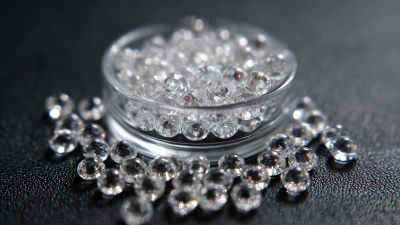
Yttria zirconia beads offer significant advantages in various applications, particularly in grinding and milling processes. These beads are known for their high density and exceptional toughness. According to the International Journal of Advanced Manufacturing Technology, these beads can increase milling efficiency by 30% compared to traditional materials. This increase correlates with their unique microstructure, which contributes to enhanced wear resistance.
When selecting yttria zirconia beads, it is crucial to consider their size and shape. Research indicates that bead diameter directly impacts grinding effectiveness. Smaller beads can penetrate tighter gaps but may require higher energy input. Proper evaluation of your material characteristics is essential, as this determines the optimal bead size. The versatility of yttria zirconia beads extends to applications in ceramics, pharmaceuticals, and biotechnology. Yet, it’s important to note that not all applications benefit equally. Some users have reported challenges with bead agglomeration in specific conditions.
Cost factors also play a role in the decision-making process. While yttria zirconia beads can be more expensive upfront, their durability leads to lower overall costs. However, the initial investment might not justify long-term savings for smaller projects. Understanding your project needs and the bead properties can guide better choices, ensuring that you invest wisely for both quality and efficiency.
Yttria Zirconia Beads Applications and Performance
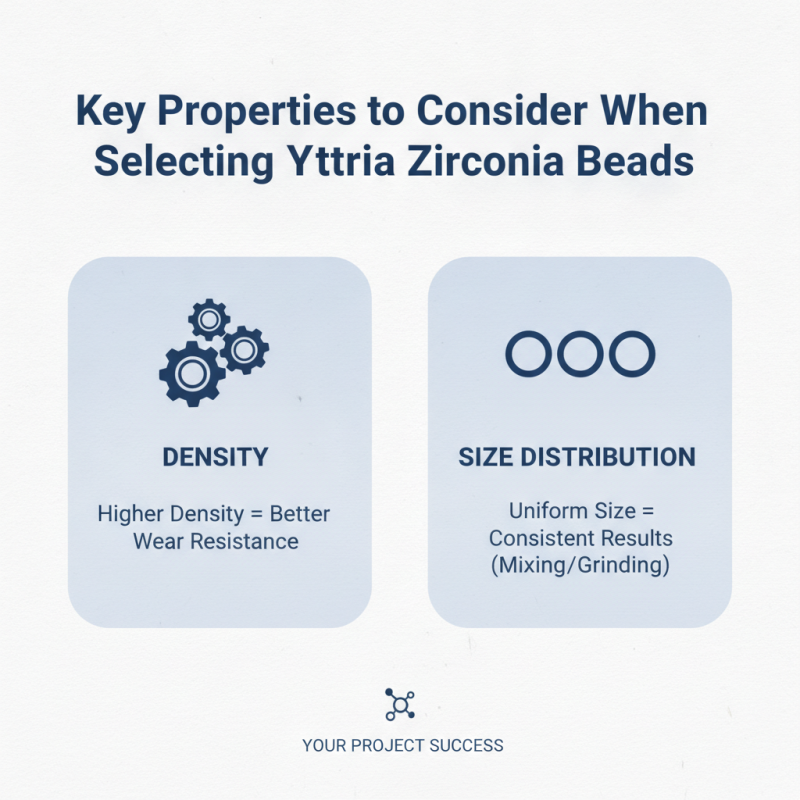
Key Properties to Consider When Selecting Yttria Zirconia Beads
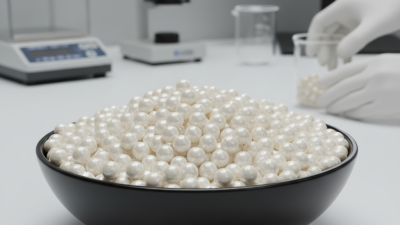
When selecting yttria zirconia beads for your projects, several key properties should guide your choice. First, consider the density of the beads. A higher density translates to better wear resistance, making them ideal for applications requiring durability. Pay attention to the size distribution as well. Uniform size helps achieve consistent results during mixing or grinding processes.
Tips for selecting the right beads include testing them in small batches before committing to larger quantities. This allows you to observe their performance in your specific application. Additionally, assess the surface finish of the beads. A smoother finish can reduce wear on your equipment, extending its lifespan.
Another crucial property is the thermal stability of the beads. Yttria zirconia can withstand high temperatures. However, different projects may require different stability levels. It's worth noting that while some beads perform well under certain conditions, they may not excel under all circumstances. Testing and reviewing your results can often reveal unexpected challenges.
Factors Influencing the Quality of Yttria Zirconia Beads
When selecting yttria zirconia beads, several factors significantly influence their quality. The composition of the beads plays a crucial role. High-quality yttria zirconia should have precise ratios of yttrium oxide and zirconium dioxide. Deviations in these ratios can alter performance. Check for purity levels in the materials used; impurities can lead to unwanted reactions during projects.
Another important aspect is the manufacturing process. The method of synthesis impacts the beads' strength and durability. Different techniques may yield different results, leading to inconsistencies. It's essential to consider the sintering temperature; higher temperatures typically enhance the material's toughness. However, this comes with risks, such as potential deformation.
Finally, the bead size and consistency matter greatly. Uniformity in size ensures even distribution in applications. Inconsistent bead sizes can lead to unsatisfactory results in grinding or polishing tasks. Pay attention to these factors as quality can greatly affect project outcomes. Choose wisely by evaluating these elements thoroughly.
10 Essential Tips for Choosing Yttria Zirconia Beads for Your Projects
| Factor |
Description |
Impact on Quality |
| Material Purity |
High-grade zircons that minimize impurities. |
Ensures strength and durability. |
| Size Consistency |
Uniform size is crucial for smooth operation in applications. |
Affects performance and efficiency. |
| Type of Yttria |
Different yttria types can alter hardness and other properties. |
Influences wear resistance and toughness. |
| Sintering Process |
The method used to fuse the particles affects strength. |
Better sintering leads to improved density and durability. |
| Surface Finish |
A smooth surface reduces friction and wear. |
Enhances longevity and performance in use. |
| Manufacturer Reputation |
Established manufacturers often produce higher quality beads. |
May correlate with better product consistency. |
| Cost |
Price can impact material choice but doesn't equal quality. |
Balance between cost and quality is essential. |
| Application Suitability |
Specific applications may require tailored bead properties. |
Ensures optimal performance in the intended use. |
| Environmental Factors |
Conditions such as temperature and humidity impact performance. |
Long-term use can reveal weaknesses. |
| Testing and Certifications |
Third-party testing can validate quality. |
Gives assurance of product reliability. |
Comparing Different Sizes and Shapes of Yttria Zirconia Beads
When selecting yttria zirconia beads, understanding the differences in size and shape is crucial. Various sizes can significantly impact the efficiency of your project. Smaller beads are excellent for detailed work, providing finer finishes. If you're working on a large-scale project, consider larger beads for faster material removal. Mixing sizes can also enhance results, allowing for both precision and speed.
Shapes of yttria zirconia beads play an equally important role. Spherical beads are commonly used for uniform results, while cylindrical shapes may better suit specific applications like grinding. Some projects may benefit from irregularly shaped beads, offering unique textured finishes. Experimentation may lead to unexpected outcomes. You might find certain combinations create a balance between aggression and finesse.
It is essential to reflect on your requirements before finalizing your choice. Many users overlook how these factors interplay with the materials being processed. Choosing based solely on one aspect, such as color or brand allegiance, can lead to pitfalls. Evaluating your project's goals and experimenting with various combinations may enrich your experience and yield surprising quality improvements.
Evaluating Cost vs. Performance in Yttria Zirconia Bead Selection
When choosing yttria zirconia beads, understand the balance between cost and performance. These beads are crucial for various applications, including grinding and polishing. High-quality beads may cost more upfront, but they can offer better durability and efficiency, ultimately leading to cost savings in the long run.
Consider your project's specific needs. If you require high precision in a professional setting, investing in premium yttria zirconia beads is wise. However, for smaller projects, more affordable options might suffice. Always evaluate the trade-offs. Lower-priced beads can wear out faster, leading to increased replacement costs.
Tip: Always request samples before purchasing. This allows for practical evaluation of performance against your expectations. Test in real conditions to gain insights. Another tip is to check for user reviews or academic studies. Gathering feedback from various sources enhances your selection process and ensures reliability. Remember, the right choice should align with both your budget and performance requirements. Reliable resources for guidance are essential in this process.