What is the Current Zirconia Ball Price for 2026?
As we approach 2026, the zirconia ball price has become a topic of considerable interest. This price trend reflects various factors, including market demand and production costs. Understanding these elements can help businesses plan their procurement strategies effectively.
Zirconia balls are essential in many industries, such as ceramics and engineering. Their durability and strength make them a preferred choice. However, price fluctuations can pose challenges for budget management. This reality demands careful monitoring of the zirconia ball price to make informed decisions.
While current data provides insights, predicting future prices isn’t straightforward. Market shifts can be unpredictable, affecting supply chains. Exploring this topic allows for a deeper understanding of the factors influencing zirconia ball pricing, which is crucial for industry stakeholders.
Current Trends in Zirconia Ball Pricing for 2026
Zirconia balls have a critical role in various industrial applications, from grinding to polishing. As we look ahead to 2026, the pricing trends in this sector reveal significant shifts. Market forecasts suggest a growing demand, largely due to increased usage in the aerospace and automotive industries. According to a report by Industry Research, the global zirconia balls market is projected to expand at a CAGR of 6.7% through 2026. This growth will undoubtedly exert upward pressure on prices.
Experts indicate that fluctuations in raw material costs will also factor into the pricing of zirconia balls. Recent analysis highlighted that zirconia's price had seen a surge of 15% year-over-year. This hike can be attributed to supply chain disruptions and increased mining costs. Companies must remain agile to adjust strategies as market dynamics change.
Consider monitoring global trends in manufacturing and technology advancements. Staying informed can help you anticipate price changes. Understanding how emerging economies influence supply can provide strategic insights.
Investing in research can reveal deeper market insights. Examine emerging suppliers and potential cost-saving alternatives. Regular price audits can identify savings opportunities.
What is the Current Zirconia Ball Price for 2026?
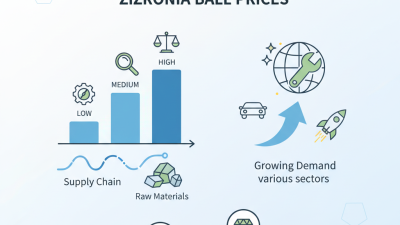
This chart represents the projected prices of zirconia balls from 2023 to 2026. The data trends show fluctuations influenced by market demand and material costs.
Factors Influencing Zirconia Ball Prices in the Market
Zirconia balls are integral components in industries such as ceramics and electronics. Their prices fluctuate based on several key factors.
These include supply chain dynamics, raw material availability, and global demand trends.
The manufacturing processes for zirconia balls can be complex. Changes in raw material prices significantly impact production costs. Recent reports indicate that the cost of zirconia oxide has risen by approximately 15% over the last year. As a result, manufacturers may pass these costs onto customers. Additionally, the expansion of industries requiring high-performance materials causes demand to surge, further driving prices up.
Balancing quality and cost remains a challenge. Buyers should assess suppliers carefully, considering not just price, but also reputation.
Look for clarity in sourcing and manufacturing practices. Understanding market conditions can offer valuable insights for future purchases.
Watch for geopolitical events that might disrupt supply. Global shipping issues can create price spikes. Keeping abreast of these events can help buyers
make informed decisions. This way, companies can plan their budgets more effectively, ensuring they secure necessary materials at competitive prices.
Projected Demand for Zirconia Balls and Market Growth by 2026
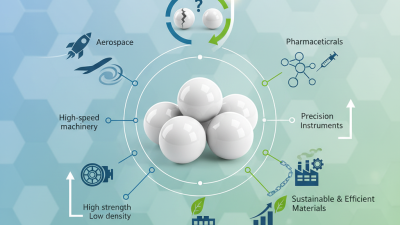
The demand for zirconia balls is projected to rise significantly by 2026. Industries such as ceramics, automotive, and electronics are increasingly utilizing these materials. Enhanced performance characteristics, like wear resistance and high-temperature stability, drive this trend. As technological advancements continue, more applications for zirconia balls emerge.
In the ceramics sector, zirconia balls are valued for their durability. They are essential in producing high-quality products. The automotive industry also recognizes their value in improving operational efficiency. As manufacturing processes become more precise, zirconia balls play a crucial role.
Tips for businesses considering zirconia ball procurement include evaluating supplier reliability and quality standards. It’s essential to understand the specific requirements of your application to select the right product. Cost factors are important, but quality must not be compromised. Furthermore, keeping track of market trends and pricing will help make informed decisions. This upcoming demand represents both an opportunity and a challenge for manufacturers. Balancing quality and cost-effectiveness remains critical in this evolving market landscape.
Comparison of Zirconia Ball Prices Across Different Industries
Zirconia balls are widely used in various industries, including ceramics, medical applications, and electronics. These balls offer high wear resistance and chemical stability, making them an ideal choice for demanding environments. In the ceramics industry, prices vary significantly based on the size and purity. Typically, smaller balls are less expensive, while larger ones come at a premium due to the increased material costs.
In the medical field, zirconia balls are crucial for dental applications and implants. The prices here reflect the stringent quality standards required. High-purity zirconia balls can cost significantly more due to their role in patient safety and the longevity of medical devices. Interestingly, the electronics sector also utilizes these materials for insulators and capacitors. Price fluctuations in this industry are often linked to technological advancements and changes in demand.
Comparing prices across these sectors reveals discrepancies that can be attributed to material quality and manufacturing processes. While the ceramic industry might focus on bulk pricing, the medical sector tends to prioritize quality over cost. This variance highlights the complex nature of zirconia ball pricing. It raises questions about how industries can balance cost and quality, especially in rapidly evolving markets.
What is the Current Zirconia Ball Price for 2026? - Comparison of Zirconia Ball Prices Across Different Industries
| Industry |
Zirconia Ball Diameter (mm) |
Price per kg (USD) |
Quantity (kg) |
Total Price (USD) |
| Aerospace |
10 |
150 |
5 |
750 |
| Biomedical |
8 |
200 |
3 |
600 |
| Electronics |
5 |
120 |
10 |
1200 |
| Automotive |
7 |
140 |
8 |
1120 |
| Industrial |
12 |
130 |
6 |
780 |
Impact of Raw Material Costs on Zirconia Ball Pricing in 2026
Zirconia balls are widely used in various industries, particularly in ceramics and metalworking. Their prices are often influenced by the costs of raw materials, which have been fluctuating significantly. In 2026, the global zirconium market may experience shifts due to supply chain disruptions and geopolitical tensions. A recent report from a leading market analysis firm indicates that zirconia powder prices have risen by approximately 15% in the past year alone.
Raw material costs account for nearly 60% of the total price for zirconia balls. This high dependency on materials like zircon sand can lead to unpredictable pricing. For instance, unexpected mining regulations in key producing regions can cause immediate spikes in costs. Furthermore, environmental regulations can impact extraction methods, leading to higher operational expenses for manufacturers.
Another factor affecting pricing is the demand for sustainable production methods. Companies are increasingly seeking eco-friendly raw materials to align with consumer preferences. However, adopting these methods may elevate production costs. This complexity of supply and demand dynamics illustrates the need for close monitoring of the market. Stakeholders should prepare for potential price volatility, considering both raw material dependencies and evolving industrial demands.