Why is Zirconia Ball Price Increasing Globally?
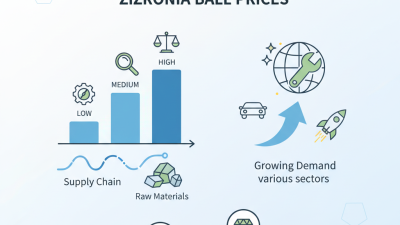
The global market for zirconia balls has witnessed a significant upsurge in price recently. Various industry reports indicate a surge of approximately 15% in zirconia ball prices over the past year. The increasing demand from the automotive and electronics sectors drives this trend. Companies are focusing on enhancing their performance, leading to higher consumption of advanced materials like zirconia.
Supply chain disruptions due to geopolitical tensions further impact availability. In 2022, rising raw material costs and logistic challenges caused price fluctuations. Additionally, manufacturers are investing more in production technology to meet stringent quality standards. While this investment enhances product quality, it also contributes to the rising zirconia ball price.
Companies must navigate these challenges wisely. The competition is fierce, and customer expectations are climbing. As suppliers adjust to changing market dynamics, understanding the factors influencing price movements is crucial. Awareness of these trends will help businesses maintain a competitive edge.

Overview of Zirconia Balls and Their Applications
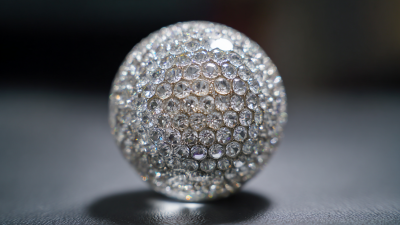
Zirconia balls are increasingly in demand across various industries. They are widely used in sectors such as ceramics, electronics, and healthcare. These balls boast exceptional properties, including high hardness and wear resistance. They're often found in grinding mills, helping to produce finer materials.
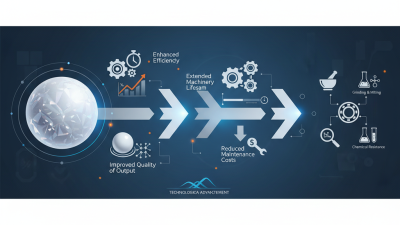
These applications highlight the versatility of zirconia balls. In the ceramic industry, they improve the durability and quality of products. In electronics, they play a role in manufacturing components that require precision. The healthcare sector utilizes them in medical devices due to their biocompatibility. However, creating these high-quality balls involves complex processes that impact costs.
The increasing price of zirconia balls reflects these demand trends. As industries grow, the need for reliable materials increases. Yet, the market sometimes fluctuates due to supply chain issues. This inconsistency can create uncertainty for manufacturers. Overall, while zirconia balls are essential, challenges in production and pricing persist.
Factors Contributing to the Increasing Demand for Zirconia Balls
The demand for zirconia balls is rising rapidly in various industries. The abrasive and wear-resistant properties of zirconia make it ideal for applications in grinding, milling, and mixing. According to a recent market report, the global zirconia ball market is expected to grow by approximately 6% annually over the next five years. This growth is driven by expanding sectors such as ceramics, automotive, and pharmaceuticals.
Industrial automation has also increased the need for high-performance materials. Companies are investing more in advanced equipment that requires durable components. Zirconia balls, known for their strength and low thermal conductivity, fit this bill perfectly. The electronics sector, in particular, has spiked interest due to the push for miniaturization and lighter components in devices. However, the limited supply of high-quality zirconia is a growing concern. Economic fluctuations and raw material sourcing issues contribute to the rising cost, impacting availability.
Environmental factors and sustainability measures are reshaping material choices. Many industries are now looking for eco-friendly alternatives. However, achieving this balance is challenging. The manufacturing process of zirconia still poses questions related to energy consumption and waste management. As innovation continues, the industry must reflect on these dilemmas while meeting increasing demands. The future of zirconia balls remains promising but requires careful consideration of these pressing issues.
Impact of Raw Material Prices on Zirconia Ball Costs
The global price of zirconia balls is witnessing a significant rise, primarily driven by fluctuations in raw material costs. According to recent industry reports, the prices of zirconium oxide have increased by over 20% in the last year. This surge is largely attributed to supply chain disruptions and increasing demand across various sectors, including ceramics and abrasives. These factors converge, compelling manufacturers to reevaluate pricing strategies.
Another critical element is the impact of mining regulations and environmental constraints. The extraction of raw materials like zirconium is becoming harder. Stricter regulations lead to supply shortages, further exacerbating cost increases. Manufacturers report that the instability in sourcing raw materials has added considerable pressure on production costs.
**Tip:** Consider investing in alternative materials or exploring different suppliers to mitigate rising costs.
Moreover, market experts warn that this trend may not abate soon. With ongoing geopolitical issues and economic fluctuations, uncertainty looms large. Companies need to adapt and remain agile to navigate this volatile landscape.
**Tip:** Regularly review your procurement practices to optimize costs and maximize value.
Global Market Trends and Forecasts for Zirconia Ball Pricing
The global market for zirconia balls is experiencing notable price increases. Several factors contribute to this trend. Demand for zirconia balls is rising in various industries, particularly in precision engineering and manufacturing.
Supply chain disruptions have also played a significant role. Recent events have shown vulnerabilities in sourcing raw materials. As a result, manufacturers are facing increased costs, which are inevitably passed on to consumers. Transport issues add further complications, leading to inflated prices.
Tips: Consider exploring alternative materials if you're on a tight budget. Understanding market dynamics can also aid in timely purchases. Keep an eye on industry reports for insights and price forecasts.
Trade policies and international relations may impact future pricing as well. Companies must navigate these changes carefully. It's essential to stay informed about global trends that could affect product costs. Maintaining flexibility in procurement strategies can be beneficial for long-term success.
Zirconia Ball Price Trends (2020-2023)
The graph above represents the average price increase of zirconia balls from 2020 to 2023. The steady rise in prices reflects global demand growth, supply chain challenges, and market dynamics affecting the zirconia industry.
Competitive Landscape and Supply Chain Challenges in Zirconia Industry
The competitive landscape in the zirconia industry is evolving rapidly. Supply chain challenges are at the forefront of this change. Global demand for zirconia balls has surged, driven by various sectors. This increase in demand is placing pressure on manufacturers. Many are struggling to keep up, leading to rising prices.
Manufacturers face raw material shortages and transportation delays. These issues complicate production schedules and affect pricing strategies. Additionally, environmental regulations add another layer of complexity. Companies must navigate these while trying to maintain their competitive edge.
Tip: It's crucial for industry players to enhance their supply chain transparency. This can lead to better forecasting and decision-making.
Market volatility can impact pricing unpredictably. Companies must stay agile and informed. Collaboration across the supply chain can help mitigate risks associated with shortages. Investing in technology to streamline operations can also provide a competitive advantage.
Tip: Regularly assess supply chain partners. This will help identify potential risks and opportunities for improvement.