

Top China Suppliers and Factories for Active and Passive Electronic Components
Their active components are engineered to optimize electrical systems, while the Passive Components deliver crucial supporting functions. With a strong focus on quality, their factory guarantees that each component adheres to strict standards, making them a reliable partner for purchasers. Whether in need of bulk orders or tailored solutions, they are prepared to fulfill your needs efficiently. Count on their responsiveness and commitment to ensure a smooth and satisfying purchasing experience.


Advantages Explained Active Components And Passive Components Factory Where Service Meets Innovation
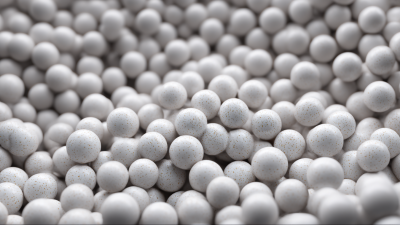
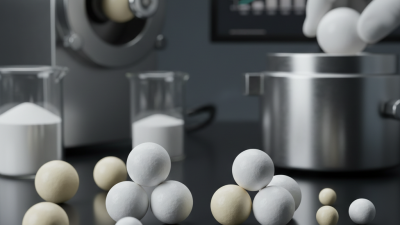
In today's rapidly evolving industrial landscape, the integration of active and passive components plays a pivotal role in driving innovation and enhancing operational efficiency. Active components, such as advanced zirconia and alumina micro crystalline ceramic grinding media, are designed to perform specific functions, including signal amplification and energy management, while passive components serve to support these functions without active involvement. By understanding the unique advantages of both types, businesses can make informed decisions that support their production needs and innovative aspirations.
High-purity zirconia powder stands at the forefront of materials technology, offering exceptional properties for a variety of applications. Its versatility in sectors such as bio-dentistry, solid fuel cells, and 3D printing underscores the significance of sourcing from a supplier that prioritizes quality and research. As industries increasingly focus on sustainability and efficiency, utilizing advanced materials can lead to enhanced product performance and reduced waste, contributing positively to the environment and the bottom line.
Collaborating with a factory that embodies the intersection of service and innovation can transform your procurement strategy. The right partner not only provides high-quality materials but also engages in continuous research and development to push the boundaries of what's possible. When choosing a supplier, consider their commitment to innovation and how their expertise in both active and passive components can support your operational goals and drive your business forward.
Advantages Explained Active Components And Passive Components Factory Where Service Meets Innovation
| Component Type | Definition | Examples | Advantages | Applications |
|---|---|---|---|---|
| Active Components | Components that require an external power source to operate. | Transistors, Amplifiers, Integrated Circuits | High performance, signal amplification capability, and control of electrical signals. | Used in audio devices, communication systems, and signal processing. |
| Passive Components | Components that do not require an external power source to perform their function. | Resistors, Capacitors, Inductors | Energy storage, filtering signals, and managing power flow. | Integral in power supply circuits, filtering applications, and timing circuits. |
| Hybrid Components | Combines both active and passive elements to create versatile solutions. | Mixed-signal ICs, RF modules | Compact size, integration of various functionalities, and improved performance. | Used in smartphones, communication devices, and modern electronics. |


Must-Choose Reasons Active Components And Passive Components Industry Leaders Your Trusted OEM Partner




L
Liam Garcia
I am thoroughly impressed with this purchase. The support team was professional and addressed my concerns instantly.
27
June
2025
C
Charlotte White
Superb quality! The representatives were knowledgeable and made the buying experience pleasant.
01
June
2025
J
James Cooper
The team was professional and attentive. The product quality speaks for itself.
15
May
2025
S
Samuel Perry
I had a great experience with this purchase! The product exceeded my expectations and the service was professional.
08
June
2025
E
Emily Scott
Outstanding customer service and product quality! I felt very valued as a customer.
19
June
2025
C
Chloe Davis
Satisfactory and high quality! The team showed professionalism and made me feel valued.
19
June
2025