


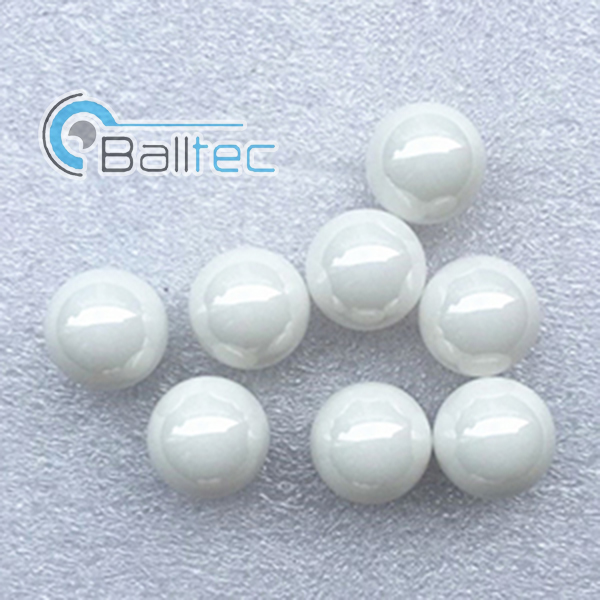
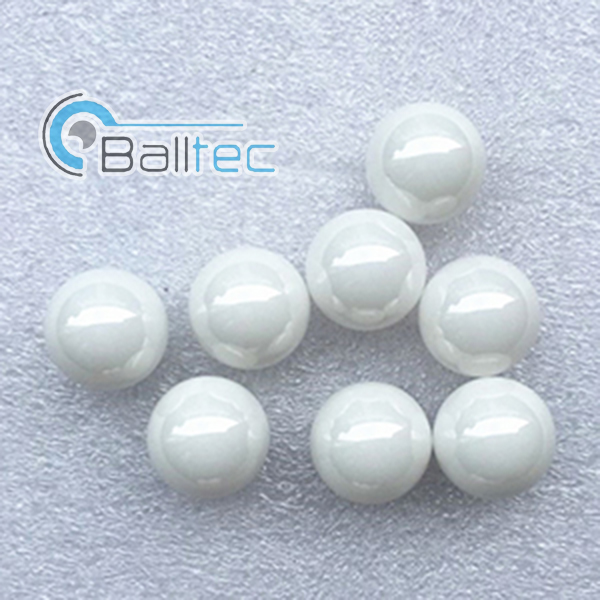
Yttrium Stabilized Zirconia Ceramic Ball Mill Grinding Media Zirconia Polishing Beads
- Check Wear Rate
It reflects the quality of zirconia beads or results of actual wear tests. Each batch of products must pass quality inspection.
- Check Surface Sphericity
The sphericity and particle size distribution of zirconia beads are closely related to the separation and screening processes. High-quality zirconia beads feature excellent sphericity and a reasonable particle size distribution.
- Check Surface Texture
The surface texture of zirconia beads is associated with their forming and polishing processes. A well-finished surface can achieve a mirror-like finish, which effectively reduces abrasive wear of the beads themselves and minimizes wear to the grinding equipment during operation. Conversely, a rough surface texture will increase wear of the beads and exacerbate abrasion to the equipment.
- Check Internal Structure
The internal structure of zirconia beads is determined by their forming process. High-quality beads have a dense and uniform internal structure, which can effectively lower bead wear rate and significantly reduce the risk of bead fragmentation during grinding. Internal structural defects such as delamination, pores and cracks will cause bead breakage and increase wear to the equipment cylinder. Meanwhile, the wear rate of beads with internal structural defects will also rise substantially.
- Check Performance Parameters
The density, compressive strength and Vickers hardness of zirconia beads are also important criteria for evaluating bead quality.
- Check Raw Materials
The quality of zirconia powder directly affects the quality and grinding performance of zirconia beads. The particle size of zirconia powder also has a direct impact on the wear resistance of the beads.