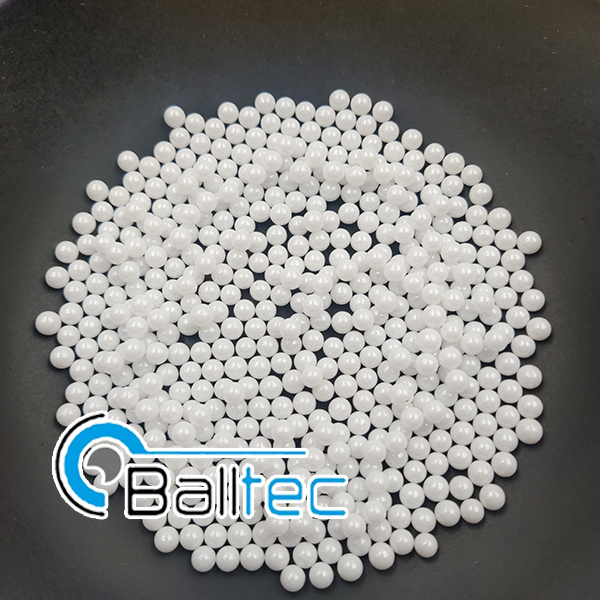
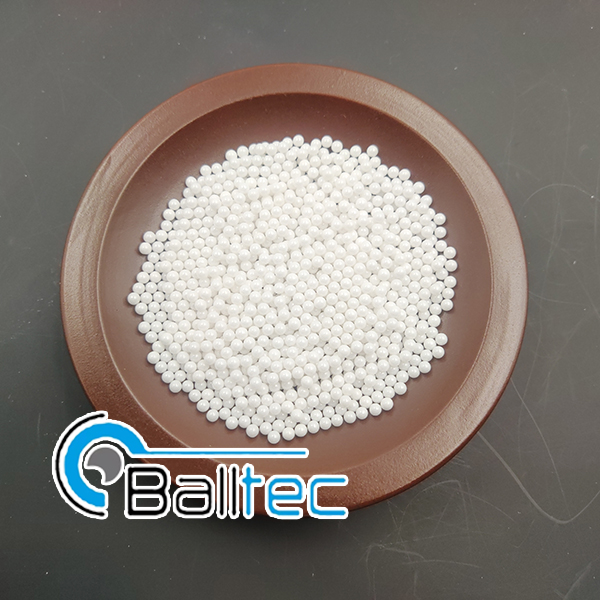


Will zirconia beads for grinding fracture?
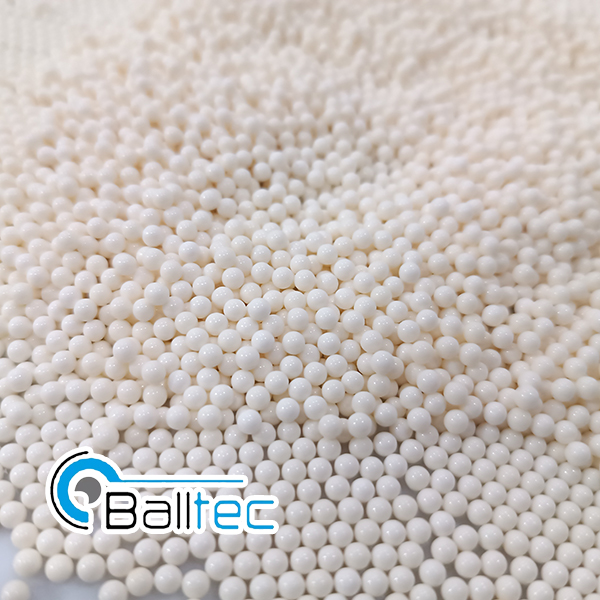
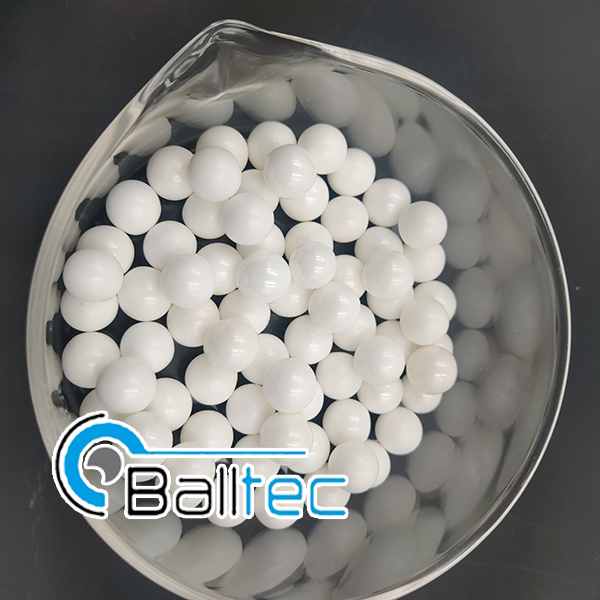
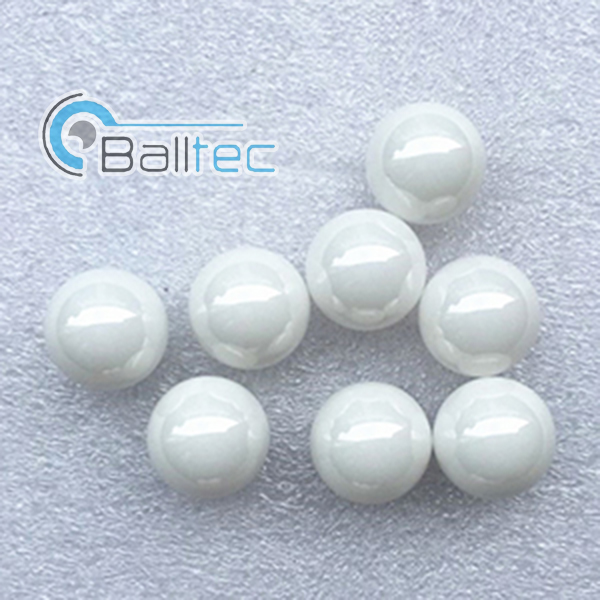
The fragmentation of zirconia beads is related to the quality of the beads themselves, as well as the grinding equipment and the materials being ground.
The fragmentation and wear rates are affected by the hardness match between the rotor and inner cylinder of the grinding chamber. For ceramic grinding mills, zirconia beads with a zirconia content of 80% or 65% will exhibit relatively high wear and fragmentation rates. Additionally, if a sand mill operates at an excessively high linear velocity, 65% zirconia beads are prone to wear. In contrast, fully stabilized zirconia beads will only experience gradual size reduction rather than fragmentation during grinding.
Zirconia beads have a Mohs hardness of 9. Grinding materials with higher hardness than zirconia beads—such as aluminum, boron, diamond, and glass powder—amounts to using a softer medium to grind harder materials. Under such conditions, zirconium silicate beads or 80% zirconia beads will suffer fragmentation. Even 95% fully stabilized zirconia beads will incur significant wear, though they will not break into fragments.
From the perspective of product quality, zirconia beads are formed via processes involving hot air, cold air, or electrolytes. Failure to control critical technical parameters during production can result in defective beads prone to breakage, including porous beads, snowman-shaped beads, tail-end beads, and flat (elliptical) beads. These defective beads contain stress concentration zones, making them susceptible to fragmentation during grinding. Such issues stem from inherent quality defects of the beads, so it is crucial to avoid selecting such products.