

Why Do Zirconia Beads Used for Dental Sintering Turn Yellow?
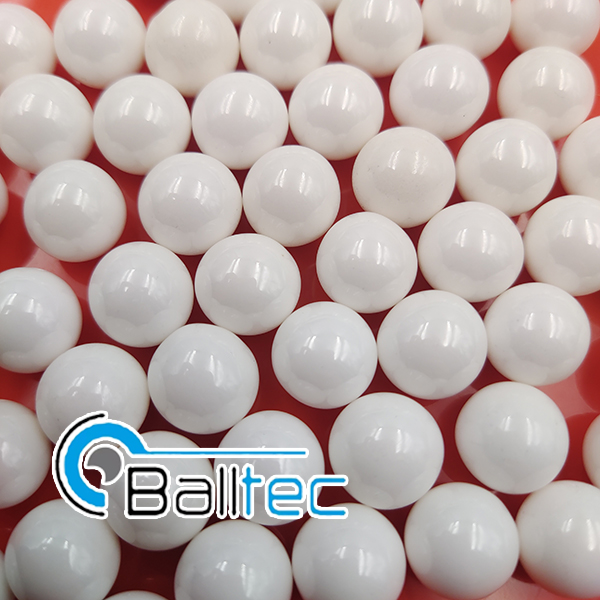
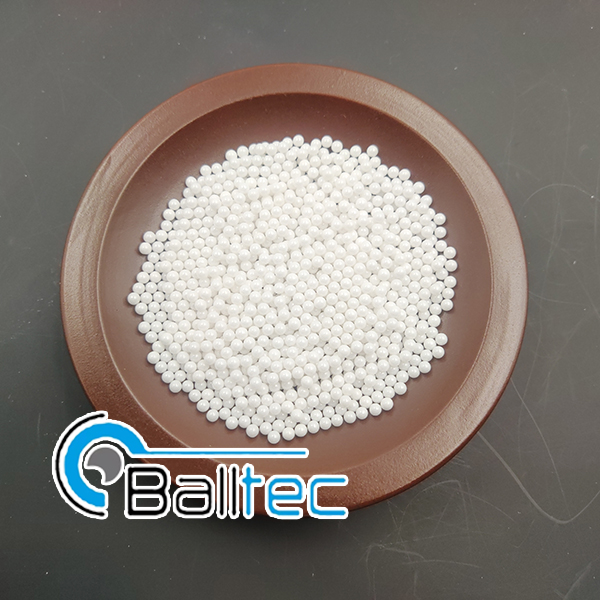
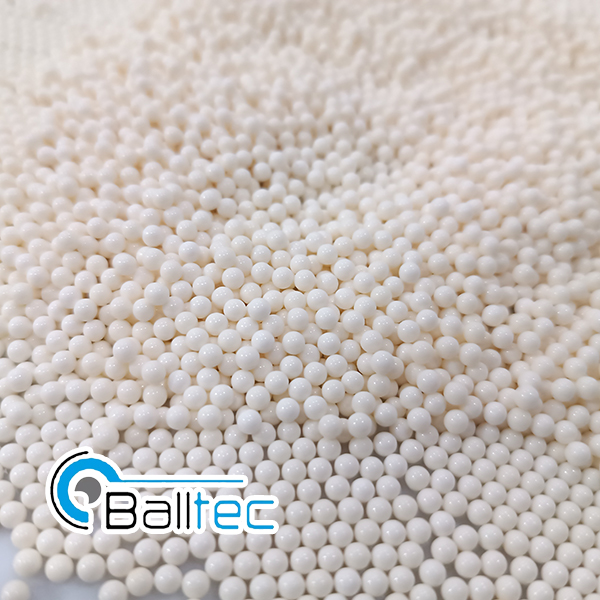
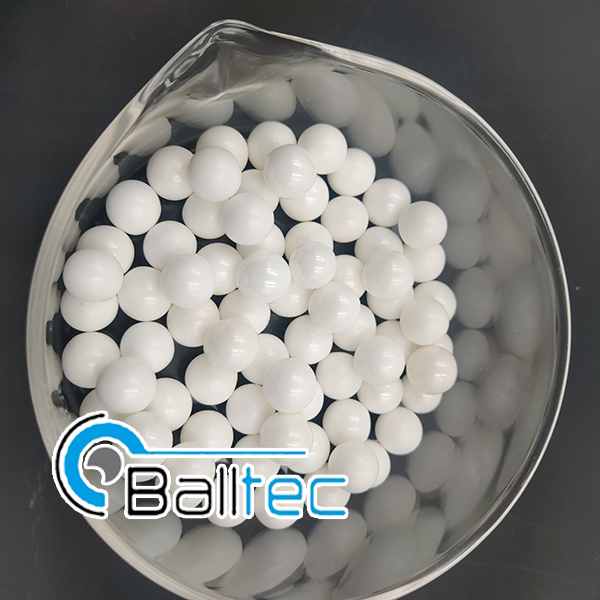
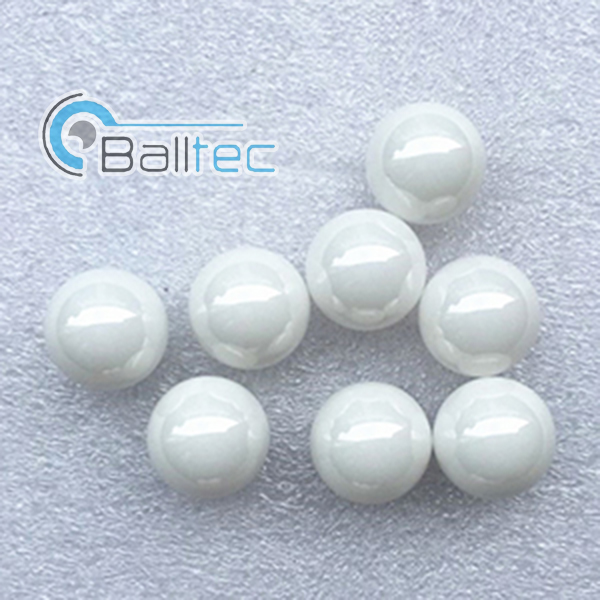
Common dental crowns are ceramic crowns made from zirconia powder, the same raw material as zirconia beads. The sintering of dental crowns is generally carried out in a sintering furnace—a sealed piece of equipment classified as a small-scale laboratory furnace. The operating temperature of a dental crown sintering furnace reaches 1600°C. As a ceramic product, zirconia beads are high-temperature resistant and can maintain stability at 1600°C without cracking or shattering, thereby providing reliable protection for the teeth. During the sintering process, the internal structure of dental crowns undergoes changes and gradual shrinkage. Zirconia beads used in the sintering furnace have a smooth surface with no resistance, which prevents the dental crowns from deforming during shrinkage. If the surface of zirconia beads turns yellow gradually during sintering, it indicates the generation of impurities or other oxides inside the furnace. In the high-temperature sintering process, the furnace is sealed, so fumes cannot be discharged and must be absorbed by a certain substance. At this time, the piled zirconia beads, with their large specific surface area, absorb these impurities, causing their surfaces to turn yellow slowly. When the beads reach their absorption limit and can no longer adsorb impurities, the dental crowns will absorb the impurities during sintering, leading to yellowing of the crowns. The yellowing of dental crown surfaces is not caused by zirconia beads. Zirconia beads do not react with any medium and can be repeatedly sintered at high temperatures. Although they may become increasingly brittle, their internal structure and surface properties will not be otherwise affected. The commonly used size of zirconia beads for dental crown sintering ranges from 1.0 mm to 3.0 mm.