

What are the factors that affect the grinding efficiency of the sand mill?
The sand mill is a state-of-the-art grinding device with the broadest material adaptability and highest efficiency. It features an ultra-narrow grinding chamber, minimal gap between agitator rods, and highly concentrated grinding energy. Equipped with a high-performance cooling system and automatic control system, it enables continuous material processing and discharging. Grinding efficiency varies significantly across different types of sand mills. So, what are the factors influencing the grinding efficiency of sand mills?
1. Rotor Structure of the Sand Mill
During the operation of a sand mill, the shape and structure of the rotor exert a significant impact on grinding efficiency. Common rotor structures include pin type, turbine type, and disc type. Currently, the pin-type sand mill is widely recognized for delivering higher grinding efficiency than other types. However, variations exist even among pin-type sand mills. Key factors affecting the grinding performance of horizontal sand mills include: the distance between the tip of the pins on the rotor and the inner wall of the grinding chamber, the number of pins on the rotor, the arrangement of the pins, and the spacing between adjacent pins.
2. Rotational Speed of the Sand Mill
The rotational speed of the sand mill is another crucial factor affecting grinding efficiency. Generally, a higher rotational speed translates to higher grinding efficiency. However, elevated temperatures resulting from high-speed operation can negatively affect particle properties—high temperatures tend to cause particle agglomeration, which is unfavorable for achieving the desired fine particle size. Additionally, higher rotor speeds lead to greater energy consumption and increased wear on the rotor, grinding chamber, and grinding media, thereby raising overall operational costs. The friction and collision during high-speed grinding also contribute to temperature spikes. To address these issues, dual-drive grinding equipment has been developed for the market. This type of equipment not only enhances grinding efficiency but also reduces wear on the machinery and grinding media.
3. Selection of Grinding Media
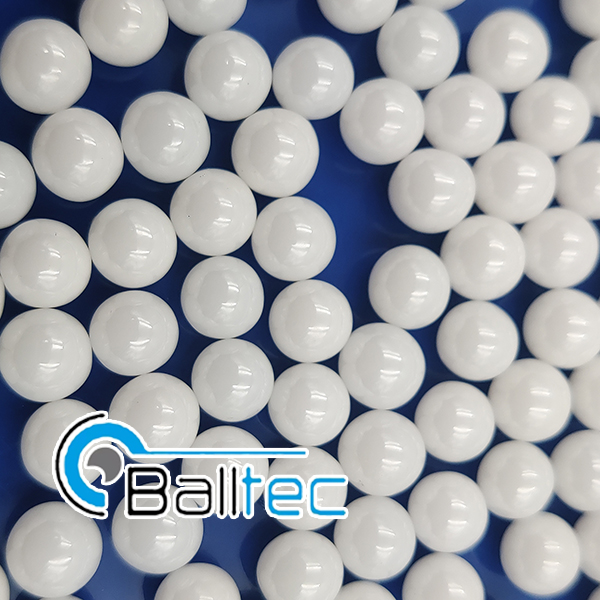
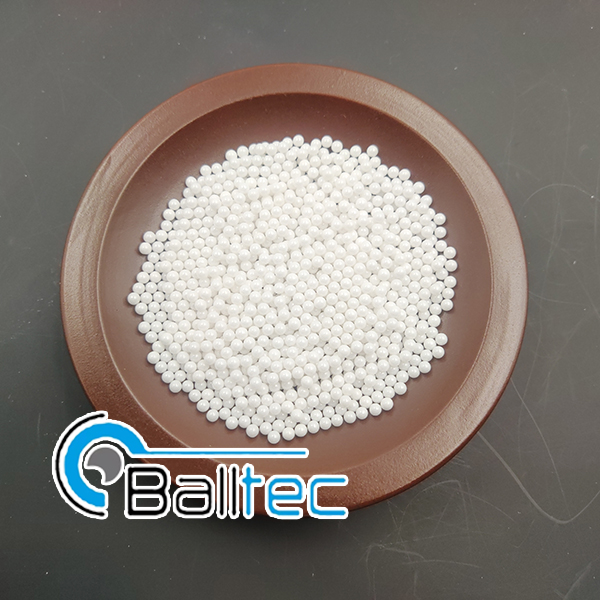
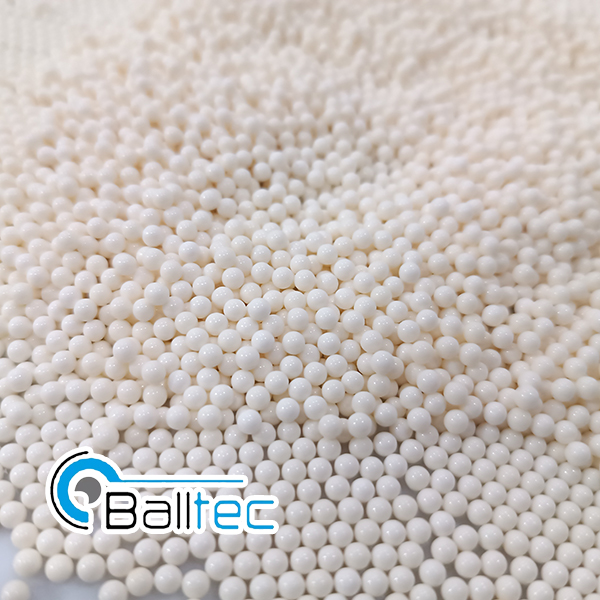
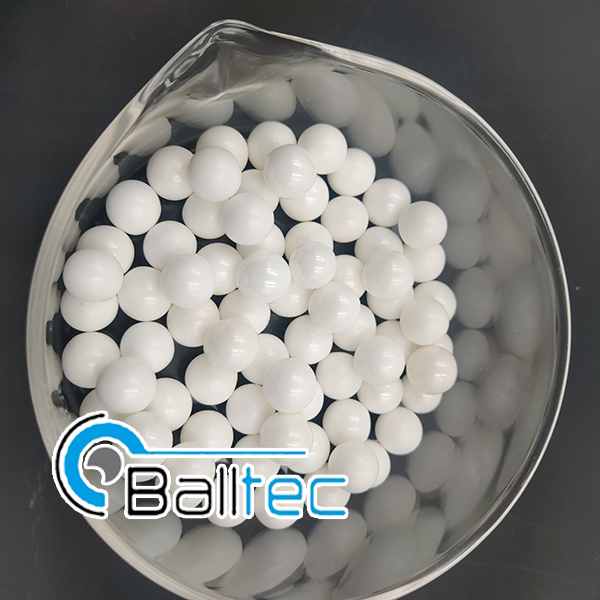
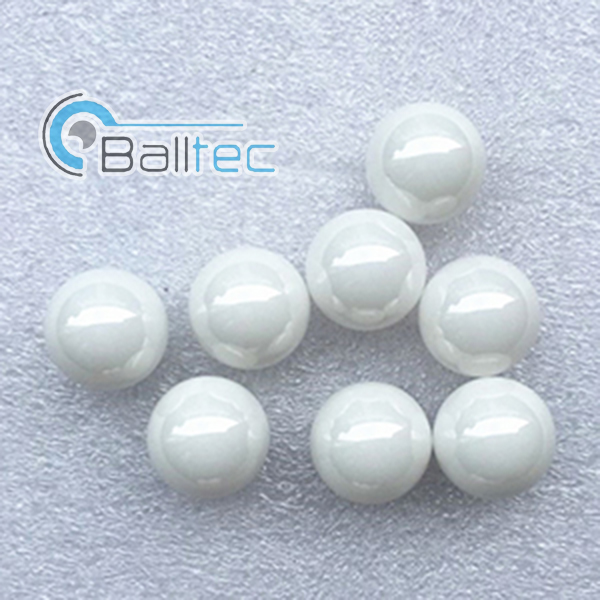
Grinding media differ in terms of density, hardness, and wear resistance. The appropriate type of grinding media should be selected based on the material being ground. For instance, if the hardness of the material is similar to that of the grinding media, the grinding efficiency will obviously be compromised. In China, commonly used grinding media include zirconia balls, alumina balls, zirconium silicate balls, glass balls, and metal balls.
Zirconia balls are typically used in industries such as electronic ceramics, magnetic materials, inks, dyes, and specialty chemicals.
Zirconium silicate balls are suitable for dispersion grinding processes in coatings, paints, inks, and other applications.
Beyond material, the size of grinding media is also a critical factor. The size determines the number of contact points between the media and the color paste. For a given volume, smaller-diameter grinding media provide more contact points, theoretically yielding higher grinding efficiency.
4. Properties of the Ground Material
Grinding efficiency varies drastically depending on the properties of the material being processed and the type of solvent used. Take the coating color paste grinding process as an example: different types of color pastes require tailored grinding processes due to variations in pigment type (inorganic pigments, organic pigments, carbon black), fineness requirements, and color paste viscosity. Selecting the optimal grinding process for color pastes can significantly improve grinding efficiency and effectiveness, which is crucial for enhancing the stability of product quality.