

What are the differences between silicon nitride ceramic bearings and zirconia ceramic bearings?
Silicon nitride is generally carbon black in color. It has a relatively low density, approximately 42% that of bearing steel. Its low coefficient of thermal expansion is highly beneficial for minimizing the impact of temperature variations on bearing precision.
Boasting extremely high hardness, it can withstand extreme friction and wear, and its strength remains uncompromised even at a high temperature of 1200°C. Its compressive strength reaches up to 3600 MPa, and its tensile strength stands at 1600 MPa. Moreover, it exhibits excellent chemical stability, resisting reactions with most substances, and demonstrates strong acid and alkali resistance. It can maintain superior performance during long-term service in seawater, making it suitable for various corrosive environments.
Due to its high strength, high temperature resistance, and corrosion resistance, it is often used in industrial fields such as aerospace, nuclear energy, metallurgy, petroleum, and chemical engineering where the performance of bearings is extremely demanding. It is also suitable for harsh conditions involving high speed, high load, high temperature, and corrosive media. However, because the preparation process of silicon nitride precision balls is complex and the price is relatively high.
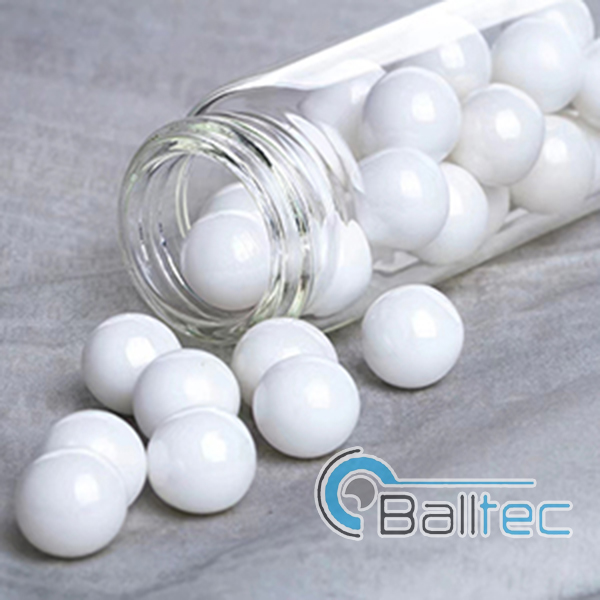
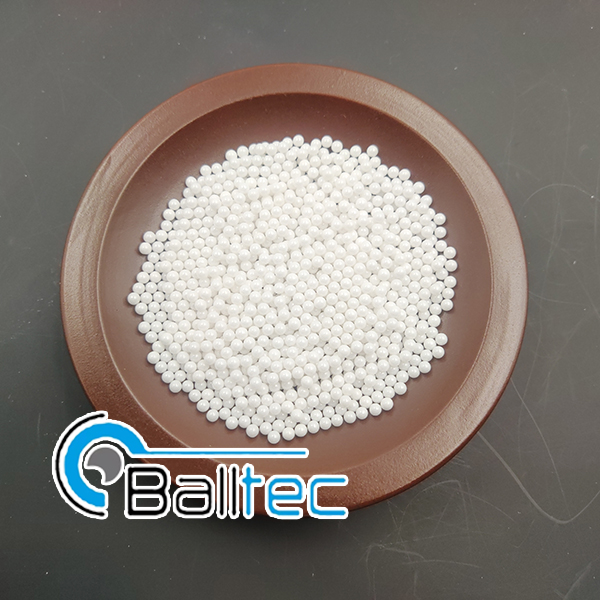
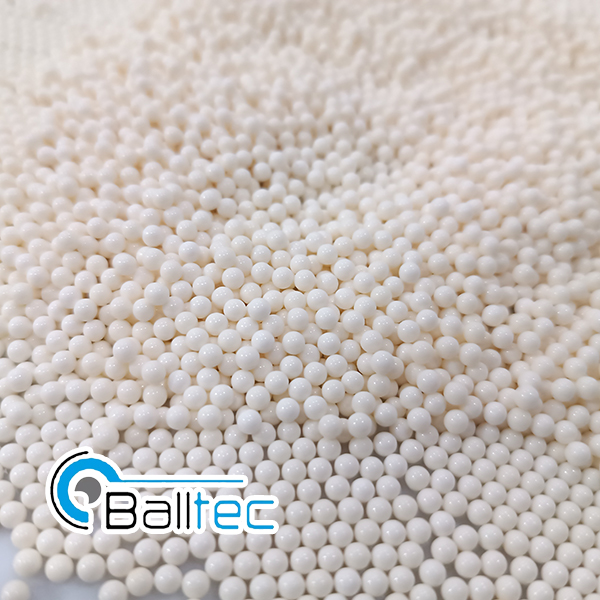
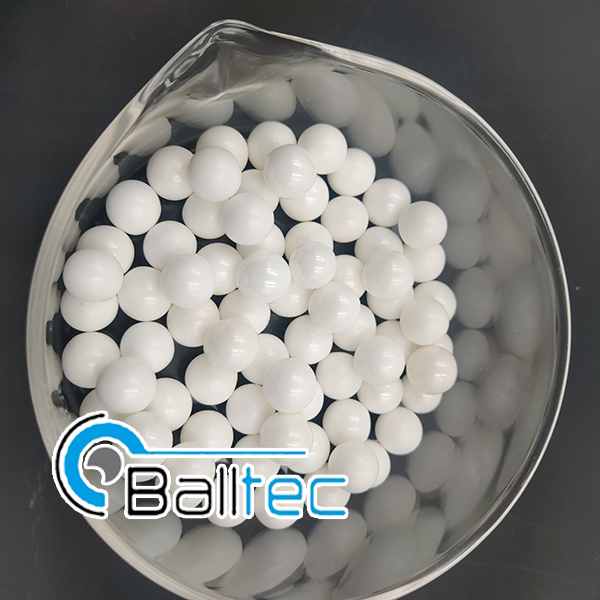
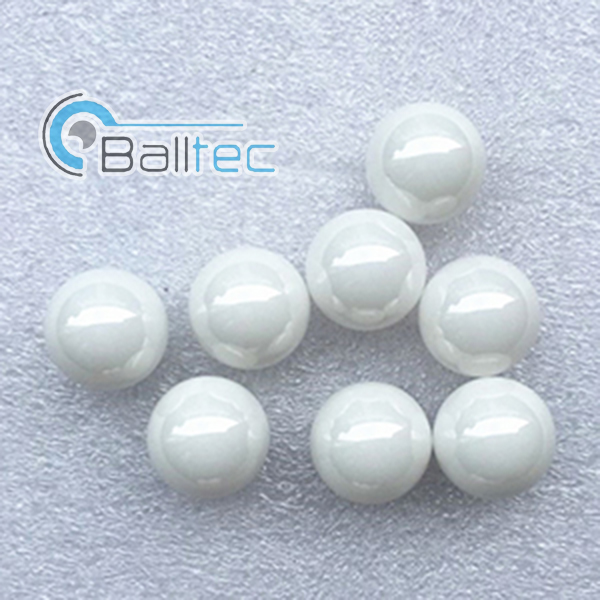
Over 80% of zirconia balls are predominantly white, though they may appear pale yellow on occasion due to trace impurities in the raw materials. Zirconia precision balls feature high toughness, high flexural strength, and outstanding thermal insulation performance, with a coefficient of thermal expansion close to that of steel.
While denser than silicon nitride, their density is significantly lower than that of traditional bearing materials such as steel, effectively reducing bearing weight. They have a low surface friction coefficient, minimizing the generation of lubricant residues and friction dust, which ensures greater stability for high-speed rotating bearings. In addition, they exhibit good wear resistance; relying on their high toughness and flexural strength, they can effectively reduce friction loss and wear damage. They are capable of withstanding high rotational speeds and loads while maintaining favorable stability, though their performance may be compromised under extreme temperature conditions.
With superior corrosion and oxidation resistance, they perform well in certain acid and alkali environments. Meanwhile, their excellent electrical insulation properties facilitate wide application in special electrical equipment, including high-speed machine tools, textile machinery, and medical devices, as well as in equipment with electrical insulation requirements. Zirconia precision balls are priced higher than conventional metal bearings but are generally slightly cheaper than silicon nitride ceramic bearings.