

What are the differences among 3A, 4A and 5A molecular sieves?
1.Pore Size Differences of 3A, 4A and 5A Molecular Sieves
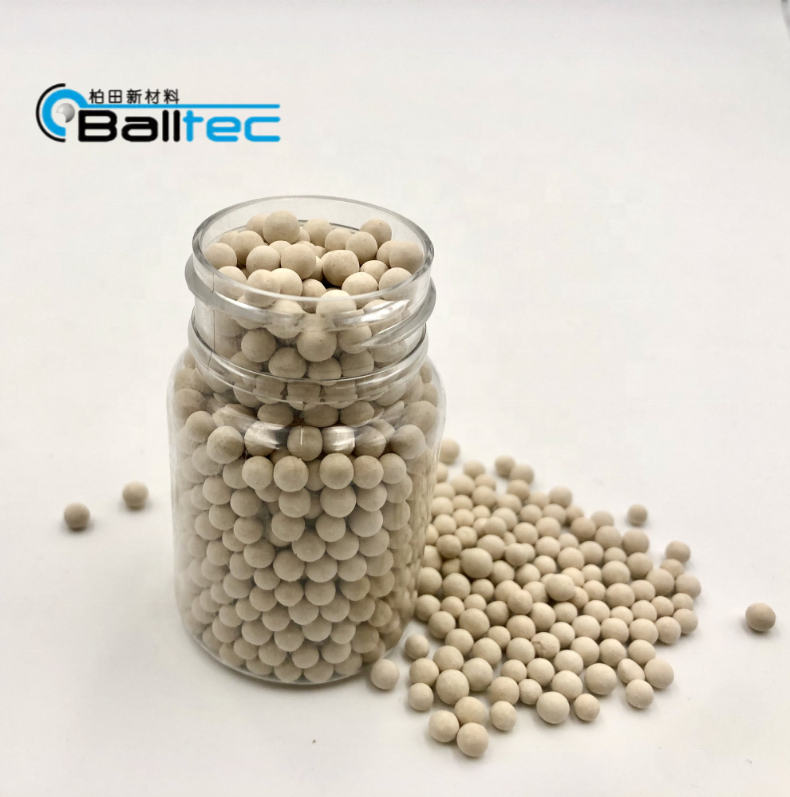
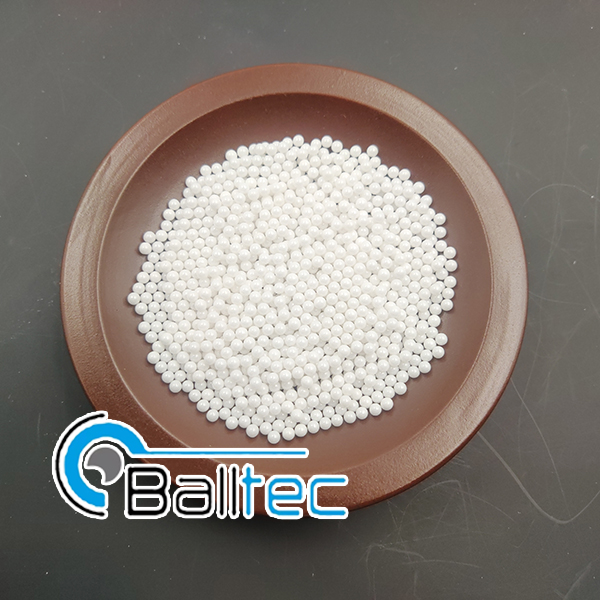
The working principle of molecular sieves is mainly related to their pore sizes, which are 0.3 nm, 0.4 nm and 0.5 nm for 3A, 4A and 5A respectively. They can adsorb gas molecules with a molecular diameter smaller than the pore size, and the larger the pore size, the higher the adsorption capacity. Molecular sieves perform selective adsorption based on the different sizes and shapes of molecules, i.e., they only adsorb molecules smaller than their pore sizes. They exhibit selective adsorption properties for small, highly polar and highly unsaturated molecules; the higher the polarity and unsaturation, the stronger the selective adsorption.
Molecular sieves have a strong water absorption capacity. They still maintain a fairly high water absorption capacity even under conditions of high temperature, high space velocity and low water content.
Different pore sizes result in different substances being filtered and separated. Simply put, 3A molecular sieves can only adsorb molecules smaller than 0.3 nm, 4A molecular sieves can only adsorb molecules smaller than 0.4 nm, and the same applies to 5A molecular sieves. When used as a desiccant, a molecular sieve can adsorb water equivalent to at least 21% of its own weight.
2. Applications of 3A, 4A and 5A Molecular Sieves
3A molecular sieves are mainly used for drying petroleum cracking gas, olefins, refinery gas and oilfield gas, and also serve as desiccants in the chemical, pharmaceutical, insulating glass and other industries. They are primarily applied in the drying of liquids (e.g., ethanol), air drying for insulating glass, and refrigerant drying.
4A molecular sieves are mainly used for the deep drying of gases and liquids such as air, natural gas, alkanes and refrigerants; the production and purification of argon; the static drying of pharmaceutical packaging, electronic components and perishable substances; and as a dehydrating agent in paints, fuels and coatings.
5A molecular sieves are mainly used for the separation of normal and isoparaffins, the deep drying and purification of gases and liquids, the separation of oxygen and nitrogen, and the desulfurization of petroleum and petroleum gas. They can be used as adsorbents in dewaxing technologies with steam as the desorbent.