


Types of Zirconia Beads for Sand Mills
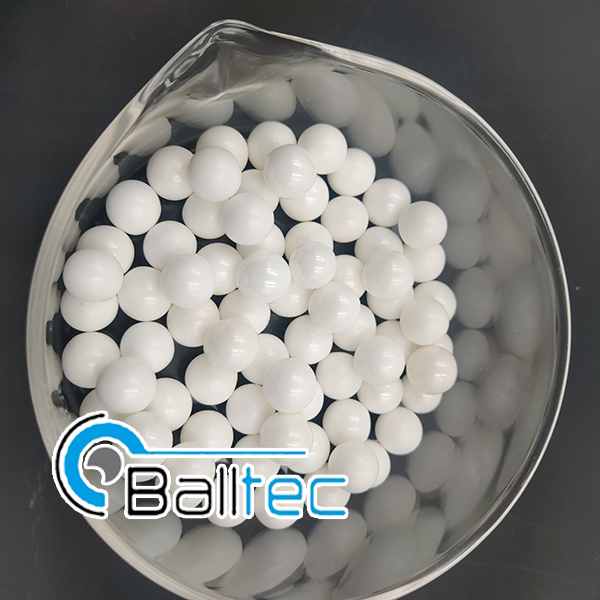
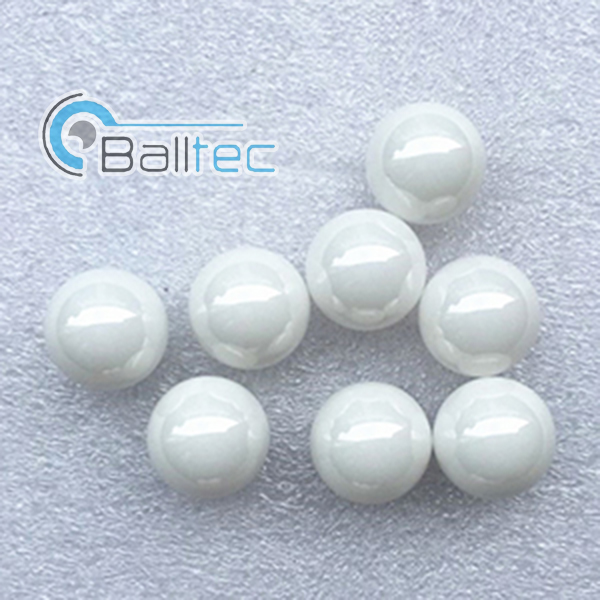
In the field of wet grinding and dispersion, sand mills play a pivotal role, and zirconia beads are among the most commonly used grinding media. Their high hardness, excellent wear resistance, and chemical stability make them suitable for a wide range of applications, especially in industries where fine and ultra - fine grinding is required. There are several types of zirconia beads available for sand mills, each with its own unique characteristics.
Yttria - Stabilized Zirconia Beads
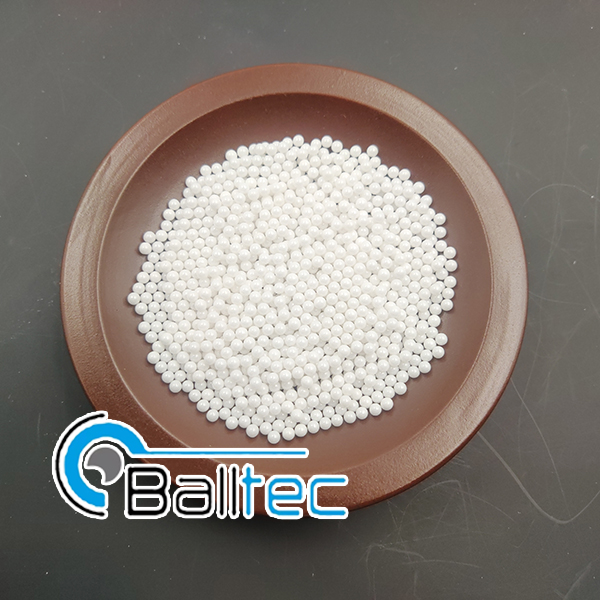
Yttria - stabilized zirconia beads, often referred to as "95 zirconia beads" as they typically contain around 95% zirconia, are widely used in sand mills. The remaining percentage is mainly yttrium oxide (Y₂O₃), which acts as a stabilizer. This stabilizer is crucial as it helps to retain a significant amount of the metastable tetragonal phase of zirconia at room temperature. The tetragonal phase can transform to the monoclinic phase under stress, a phenomenon known as the transformation toughening effect. This effect significantly enhances the toughness of the beads, making them highly resistant to fracture during the grinding process.
These beads are made from high - purity, high - whiteness, and fine - grained raw materials. This ensures that they do not contaminate the materials being ground, which is particularly important in industries such as electronics, pharmaceuticals, and food. They are well - suited for applications that require high - quality grinding, such as the production of electronic ceramics, magnetic materials, and high - performance pigments. Their high density, typically around 6.0 - 6.2 g/cm³, provides a high kinetic energy during the grinding process, enabling efficient and rapid reduction of particle sizes.
Ceria - Stabilized Zirconia Beads
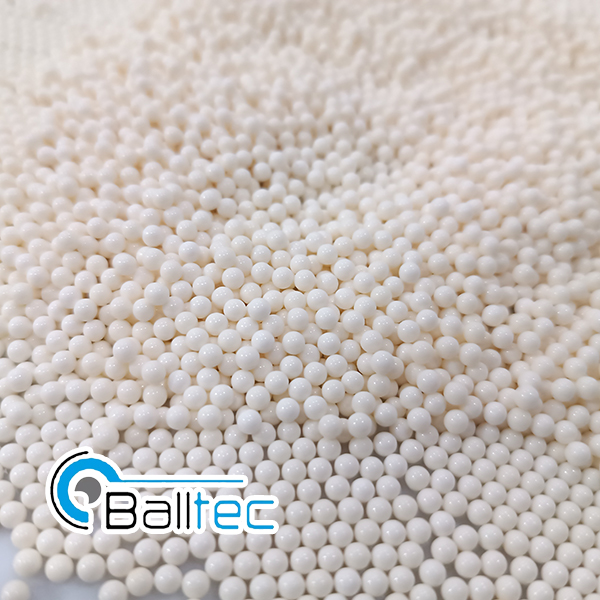
Ceria - stabilized zirconia beads contain approximately 80% zirconia, with the balance being cerium oxide (CeO₂). They are known for their relatively high density among zirconia - based grinding media. The cerium oxide stabilizer also contributes to the unique properties of these beads.
These beads are especially suitable for applications involving high - viscosity materials. Their higher density allows them to generate greater impact forces during the grinding process, effectively breaking down the agglomerates in viscous slurries. They are also well - adapted to high - shear sand mills, where their mechanical strength and wear resistance are put to the test. The color of ceria - stabilized zirconia beads can vary, including yellow, coffee - colored, and black, depending on the manufacturing process and the exact composition.
80 Zirconia Beads
80 zirconia beads, as the name implies, have a zirconia content of around 80%. They offer a good balance between performance and cost, which has led to their widespread use across various industries.
These beads possess favorable grinding characteristics. Their hardness and density are sufficient to handle a wide range of materials, from pigments and dyes to non - metallic minerals. They are often used in the production of coatings, inks, and paints, where they can efficiently grind the pigments to the desired particle size, improving the color strength and dispersion stability of the final products. Their cost - effectiveness makes them an attractive option for applications where large quantities of grinding media are required.
Zirconium Silicate Beads
Zirconium silicate beads, also known as "65 zirconia beads" due to their approximately 65% zirconia content, with the rest being mainly silicon oxide (SiO₂), are characterized by their medium density and hardness.
They are manufactured using an advanced process of titration in an electrolyte followed by high - temperature firing and phase - setting. This results in beads with a dense structure, free of pores and cavities. These beads are particularly suitable for grinding medium - to - low - viscosity slurries. In industries such as ceramics, where the raw materials are often in the form of relatively low - viscosity suspensions, zirconium silicate beads can provide efficient grinding while minimizing the risk of over - grinding or damaging the materials. Their moderate cost and good wear resistance also make them a popular choice for general - purpose grinding applications.
Composite Zirconia Beads
Composite zirconia beads are made by combining zirconia with other materials, such as alumina. For example, some composite beads may consist of 75% zirconia, 20% alumina, and 5% other minor components. The addition of alumina can enhance certain properties of the beads.
These beads often exhibit improved wear resistance compared to pure alumina beads, thanks to the presence of zirconia. At the same time, the inclusion of alumina can help to reduce the cost compared to pure zirconia beads. They are suitable for applications where a balance between cost, wear resistance, and grinding performance is required. For instance, in some industrial grinding processes where the materials are not extremely hard or sensitive to contamination, composite zirconia beads can offer an economical and effective solution.
In conclusion, the choice of zirconia beads for sand mills depends on various factors, including the nature of the material to be ground (such as its viscosity, hardness, and sensitivity to contamination), the type of sand mill being used, and the cost - performance requirements of the operation. Understanding the characteristics of different types of zirconia beads is essential for achieving optimal grinding results and maximizing the efficiency of the sand - milling process.