

Types of ceramic grinding beads
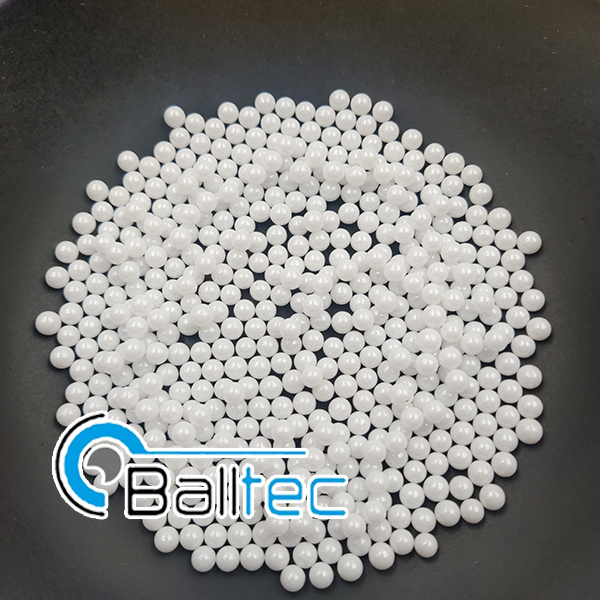
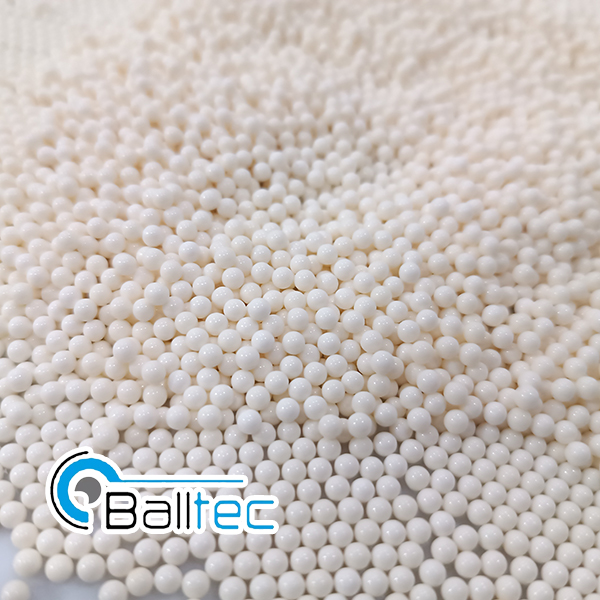
Alumina grinding beads include medium-alumina and high-alumina grinding balls. The alumina content of medium-alumina balls is generally 40%-70%, while that of high-alumina balls ranges from 92%, 95%, 99% to even above 99.99%. Higher alumina content corresponds to higher specific gravity and purity. Different alumina balls are selected based on the properties of the materials being processed. Medium and high-alumina balls are mainly used in ball mills: for example, medium-alumina grinding balls are suitable for grinding clay and soil, while high-alumina balls are commonly used in mineral processing plants and cement factories.
For materials that are high-purity aluminum-containing powders, high-alumina grinding balls with an alumina content of over 99% are recommended.
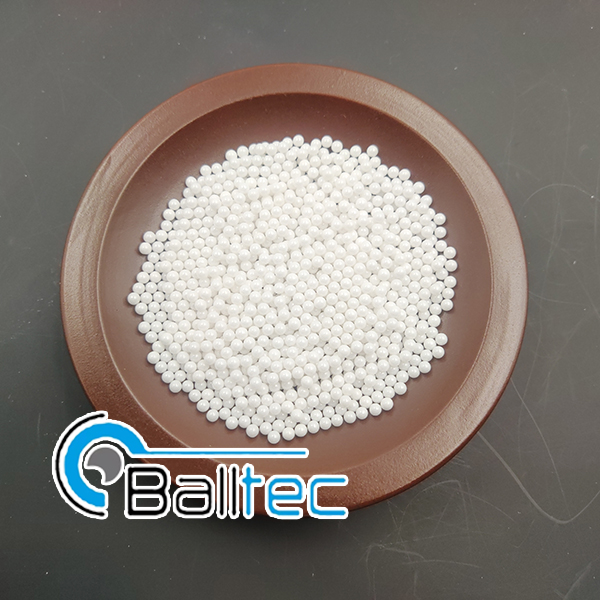
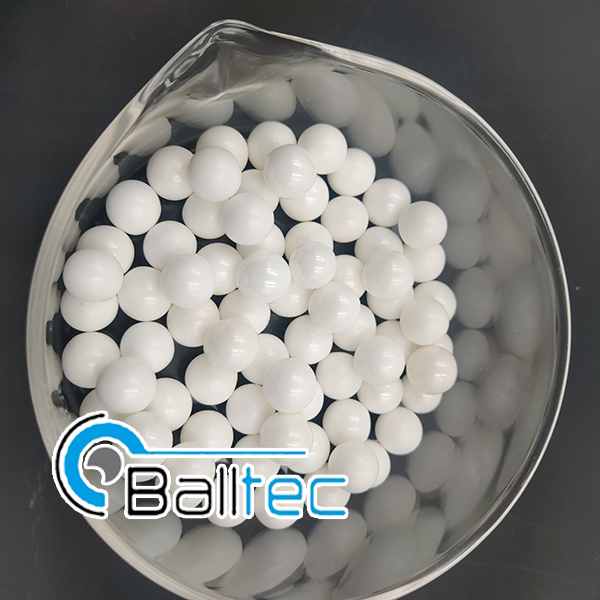
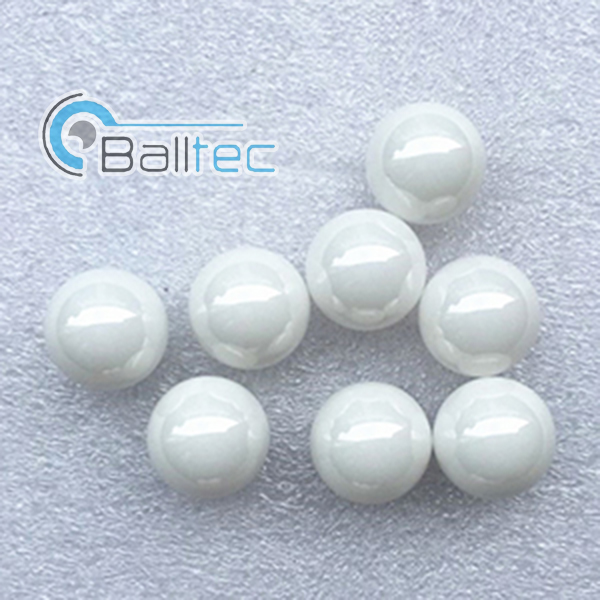
Zirconia beads, also known as zirconia grinding beads, are classified into 95% zirconia beads, 80% zirconia beads, and 65% zirconium silicate beads based on their zirconium content. Higher zirconium content results in better wear resistance and higher grinding efficiency due to the increased specific gravity.
In addition to grinding and dispersion, zirconia beads can also be used for mirror polishing. As an abrasive, they have a smooth surface without grinding force, making them suitable for mirror polishing of workpieces requiring a smooth finish. They are also applicable in ball mills, tissue grinders, sand mills, and basket grinders for grinding various materials such as paints, coatings, biological tissues, cells, hair, and leaves.
Currently, hub polishing on the market mainly uses beads with a specific gravity of 3.2 or zirconium silicate beads with a specific gravity of 4.0.
Glass beads are mainly composed of inert silica. They can be used for grinding and dispersing pesticides, paints, and coatings. While glass beads are cost-effective, they have low efficiency, are prone to breakage after prolonged use, and require frequent replacement, increasing labor costs.
Silicon nitride ceramic balls are precision ceramics sintered at high temperatures in a non-oxidizing atmosphere. They possess high strength, excellent wear resistance, high-temperature resistance, corrosion resistance (resistant to acids, alkalis, and long-term use in seawater), as well as good electrical and magnetic insulation properties. At 800℃, their strength and hardness remain almost unchanged. With a density of 3.20 g/cm³, they are approximately 1/3 the weight of bearing steel, resulting in low centrifugal force during rotation.