


Three Manufacturing Methods of Zirconia Beads
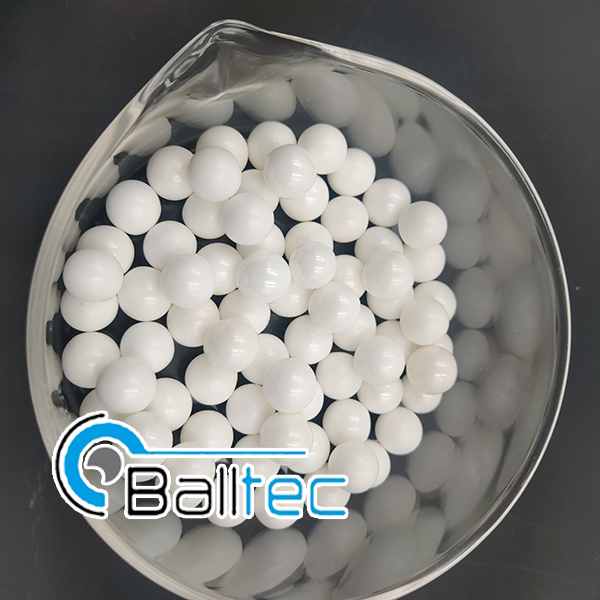
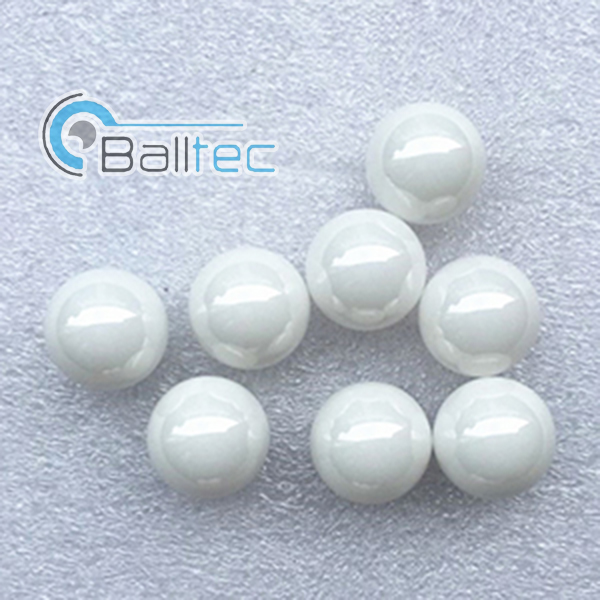
There are three main manufacturing methods for zirconia beads:
Compression Molding, Rolling Granulation, and Droplet Formation
- Compression Molding
This is a common forming method for large-sized zirconia beads, mainly including two types: dry pressing and isostatic pressing.
Dry pressing features convenient operation, simple technology, and low capital investment. However, uneven pressure distribution leads to inconsistent internal structure of the green body, which affects the comprehensive performance of the final product. To improve the density of the green body, the method of continuously increasing pressure is often adopted in actual production. But higher pressure is not always better—exceeding the limit pressure will instead reduce the density of the green body.
Isostatic pressing produces green bodies with high strength, high and uniform density, enabling the manufacture of high-performance grinding media beads. Therefore, industry often combines the two methods to produce high-quality ceramic beads.
- Rolling Granulation
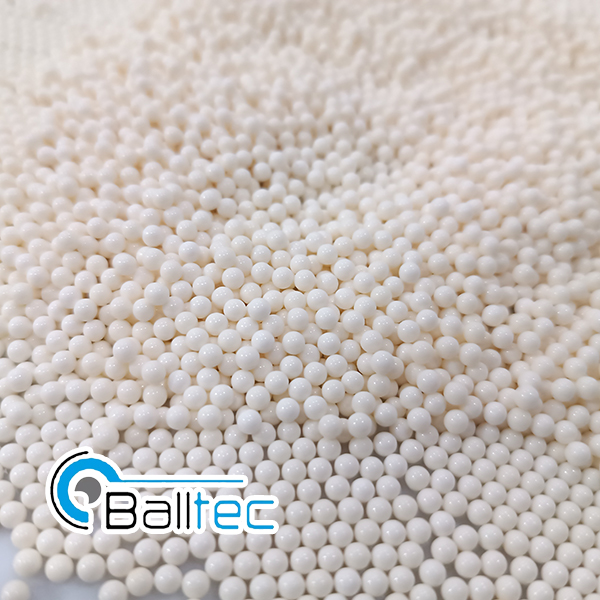
In addition to cold isostatic pressing, rolling granulation is another important forming method for ceramic beads.
It is characterized by simple production equipment, raw materials, and operation, excellent sphericity, and easy sintering. Although the strength of the formed beads is lower than that of cold isostatically pressed beads, the production cost is relatively low. It can produce beads of various sizes ranging from 0.1mm to 60mm as required.
- Droplet Formation
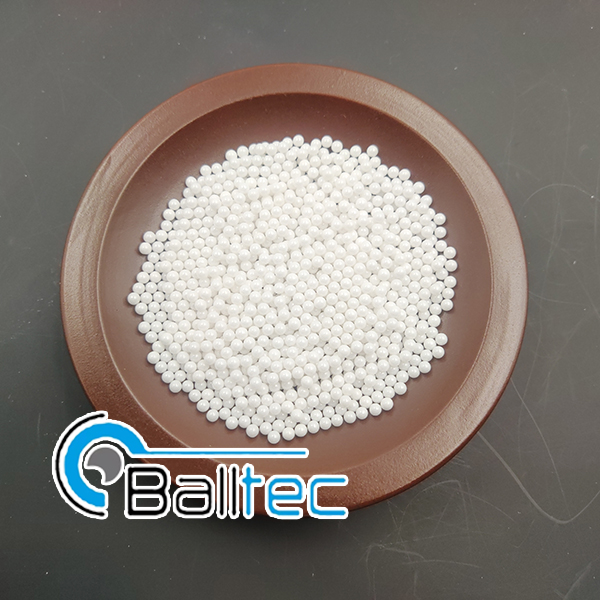
For small-sized zirconia beads (0.05mm to several tenths of a millimeter), the titration method can be used to form ceramic bead green bodies.
Zirconia ceramic microbeads produced by the titration method can be sintered at low temperatures with no internal pores. They possess properties such as high density, high strength, high toughness, and low wear rate. They are suitable for the dispersion and grinding of high-performance materials such as electrode materials, multilayer ceramic capacitors, paints, and coatings.