
The manufacturing process of zirconia beads
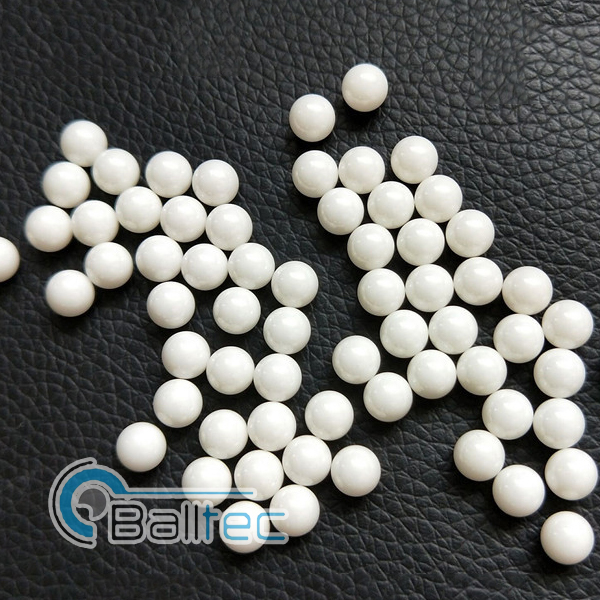
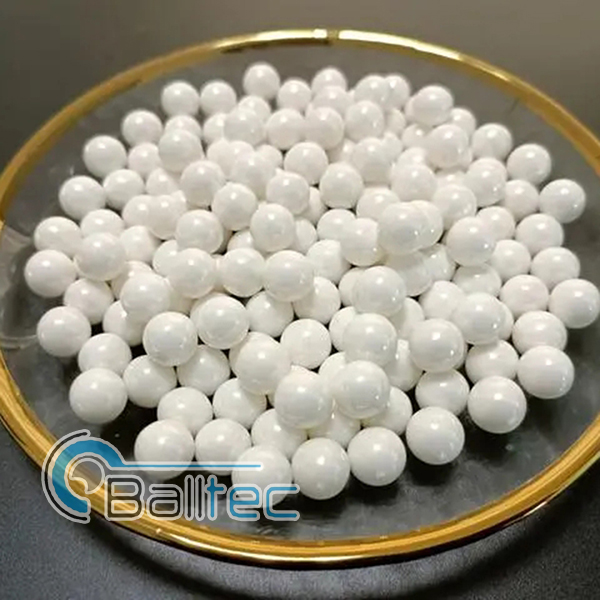
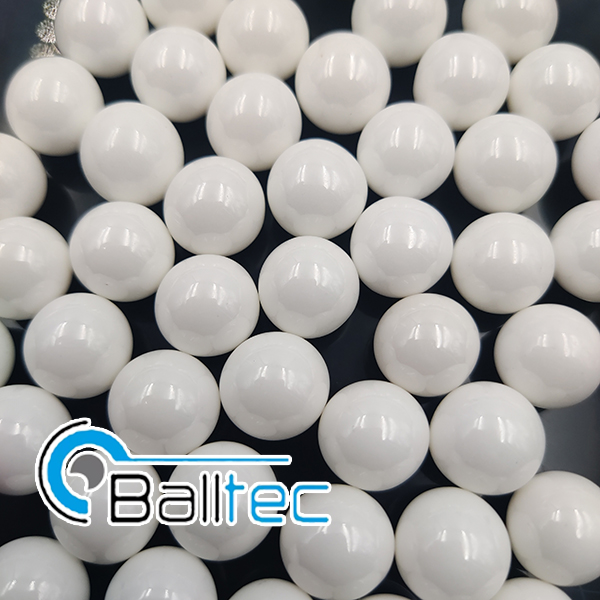
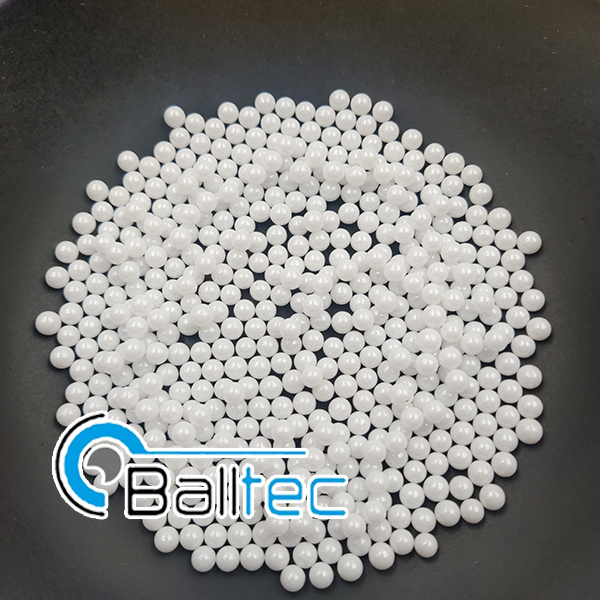
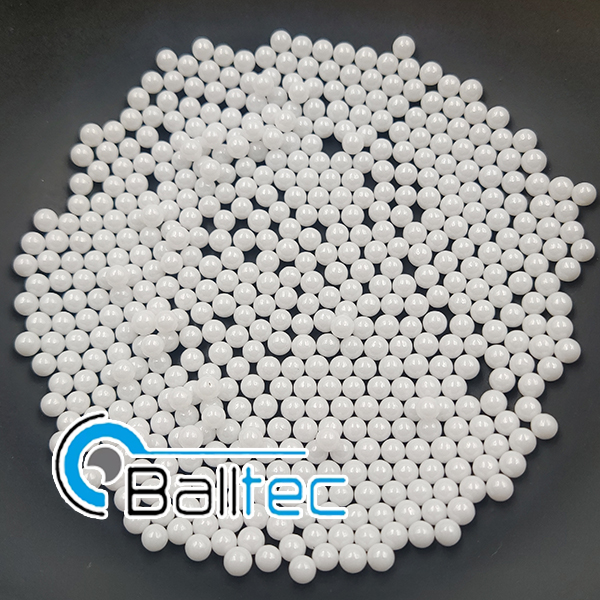
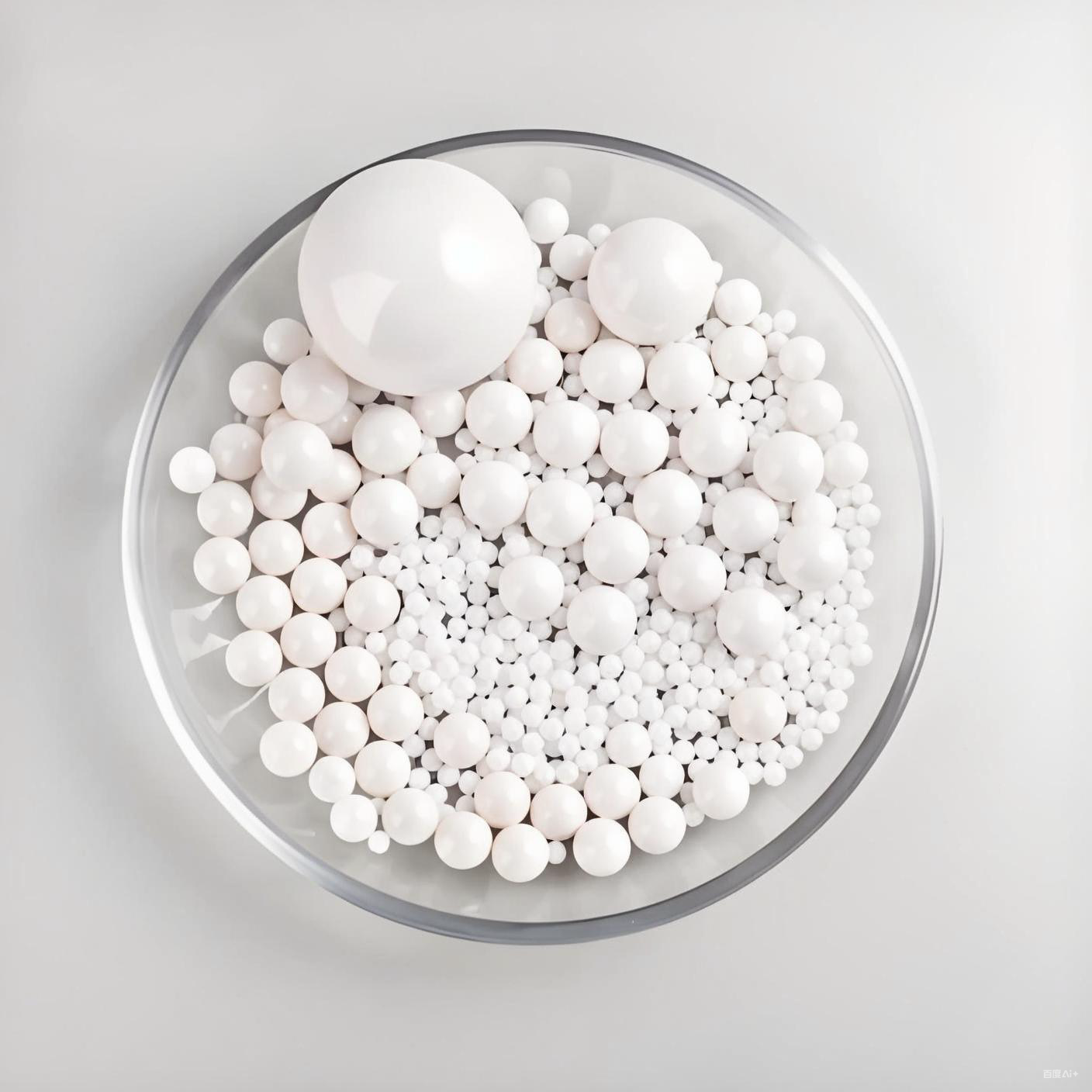
Zirconia beads are mostly composed of tetragonal zirconium polycrystal (TZP), hence they are also referred to as "TZP" zirconia beads. Manufactured from micron-grade and sub-nanometer-grade zirconia and yttrium oxide as raw materials, they are a type of grinding bead used for ultra-fine grinding and dispersion of materials requiring "zero contamination", high viscosity and high hardness.
Zirconia beads can be applied to the ultra-fine grinding and dispersion in industries such as non-metallic mining (ground calcium carbonate for papermaking), paints and coatings, inks, electronic materials, lithium-iron batteries, magnetic materials, textile dyes, and pharmaceuticals.
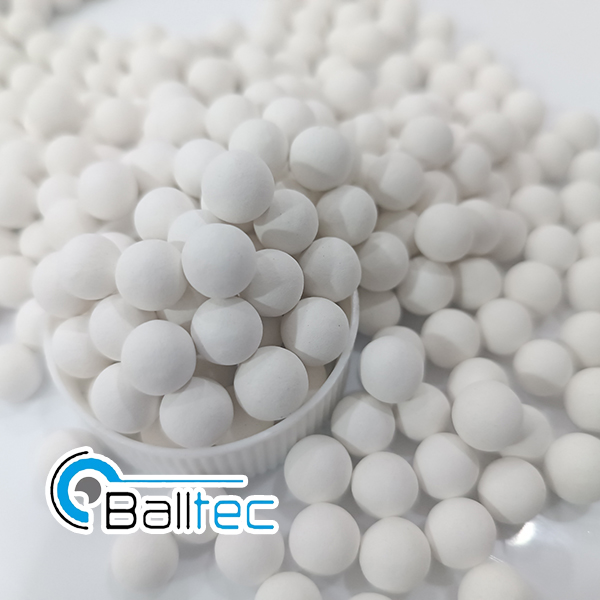
Zirconia beads are produced using yttrium oxide as a stabilizer, through processes such as titration or dry-pressing isostatic forming, and high-temperature sintering for phase stabilization. They are available in two shapes: spherical and cylindrical. The microcrystalline diameter is less than 0.5 μm, endowing the media with excellent wear resistance. They are particularly suitable for wet and dry ultra-fine dispersion and grinding in equipment such as vertical high-speed mixers, high-linear-speed pin-type sand mills, and all-ceramic grinders for new materials, where contamination of slurries and powders must be avoided.
In addition, zirconia beads feature the following characteristics: extremely low (ppm-level) wear (wear resistance is 30–50 times that of glass beads); extremely high hardness; extremely high density (which effectively improves grinding efficiency); high temperature resistance and corrosion resistance; reusability for multiple times with low operating cost. The zirconia bead cell disruption method is a rapid, efficient, economical and high-throughput cell lysis technique.
At present, reports on the disruption of lactic acid bacteria cell walls using zirconia beads are mainly concentrated abroad. However, studies optimizing the zirconia bead disruption method in terms of bacterial weight, grinding buffer and grinding time have not been reported either domestically or internationally. The zirconia bead disruption method shows good applicability for the cell disruption of lactic acid bacteria and may become a universal and effective cell lysis technique.