

The manufacturing process of zirconia beads
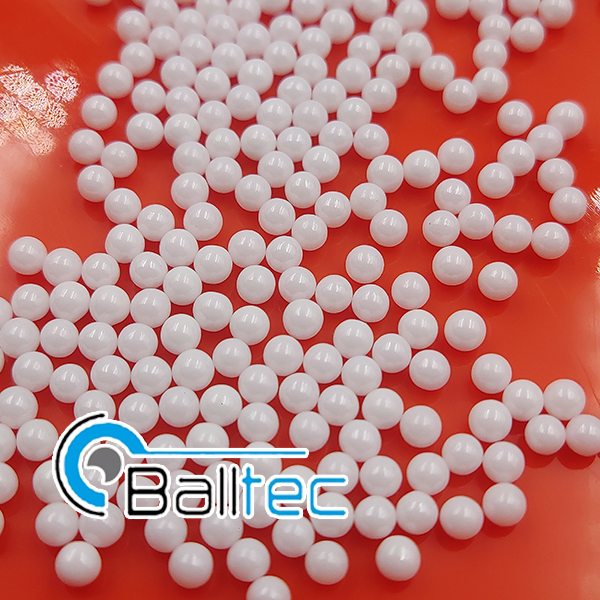
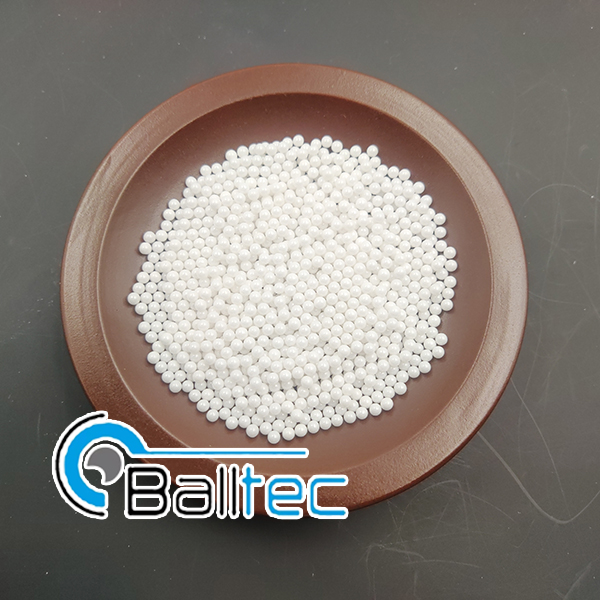
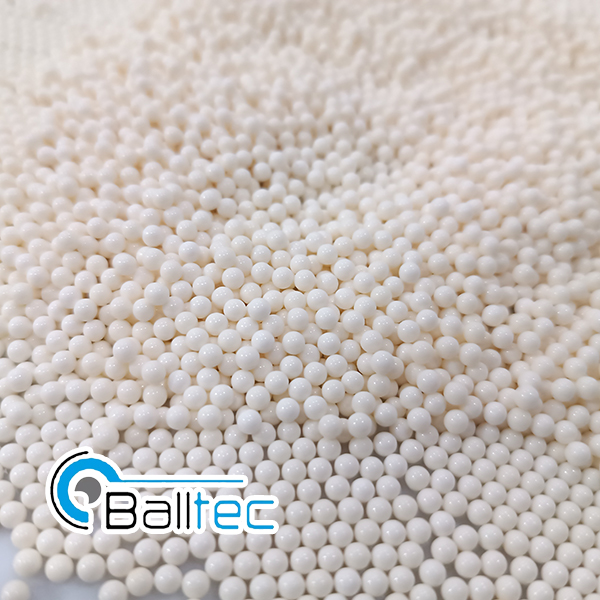
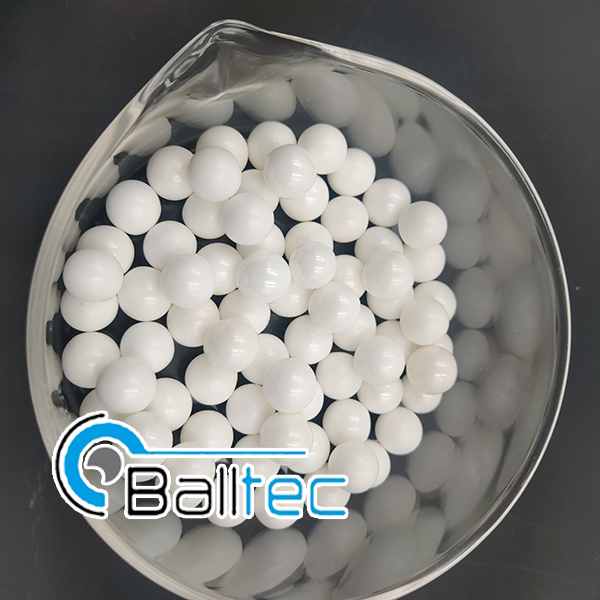
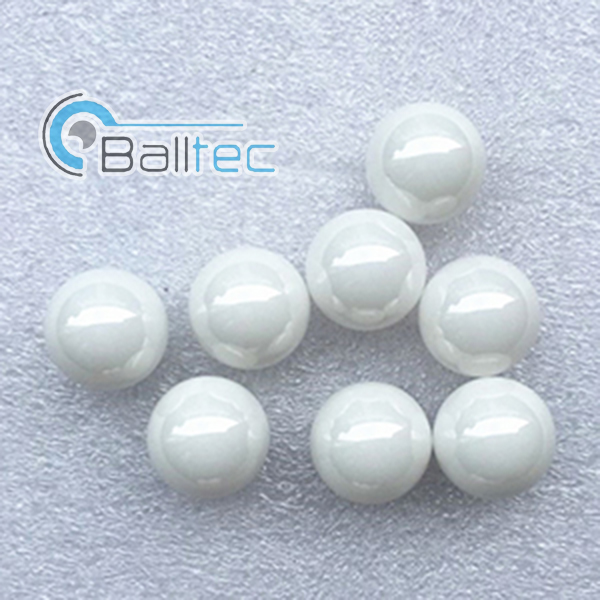
Zirconia beads are mostly composed of tetragonal zirconia, hence also known as "TZP" zirconia beads. Made from micron and sub-nanometer grade zirconia and yttria as raw materials, they are a type of grinding media specifically designed for the ultra-fine grinding and dispersion of materials requiring zero contamination, as well as high-viscosity and high-hardness substances.
Zirconia beads are applicable for ultra-fine grinding and dispersion in industries including non-metallic mining, papermaking (ground calcium carbonate), paints and coatings, inks, electronic materials, lithium iron phosphate batteries, magnetic materials, textile dyes, and pharmaceuticals. Manufactured through processes of yttria stabilization, titration or dry isostatic pressing, and high-temperature sintering for phase stabilization, these beads are available in two shapes: spherical and cylindrical. With a microcrystal diameter of less than 0.5 μm, the media exhibit excellent wear resistance, making them particularly suitable for wet and dry ultra-fine grinding and dispersion of contamination-sensitive slurries and powders in equipment such as vertical high-speed mixers, high-line-speed pin sand mills, and all-ceramic grinders for new material processing.
In addition, zirconia beads boast the following characteristics: ultra-low wear rate (at ppm level, with wear resistance 30–50 times that of glass beads); extremely high hardness; high density (effectively enhancing grinding efficiency); resistance to high temperatures and corrosion; reusability for multiple cycles, resulting in low operational costs. The zirconia bead-based cell disruption method is a rapid, efficient, cost-effective, and high-throughput technique for breaking cell walls. Currently, reports on the use of zirconia beads to disrupt lactic acid bacteria cell walls are predominantly from overseas. However, no studies have been found domestically or internationally that optimize this cell disruption method in terms of three key aspects: bacterial biomass, grinding buffer, and grinding duration. Zirconia bead-based cell disruption demonstrates strong applicability for breaking lactic acid bacteria cell walls, and this method may potentially serve as a universal and effective cell disruption approach.