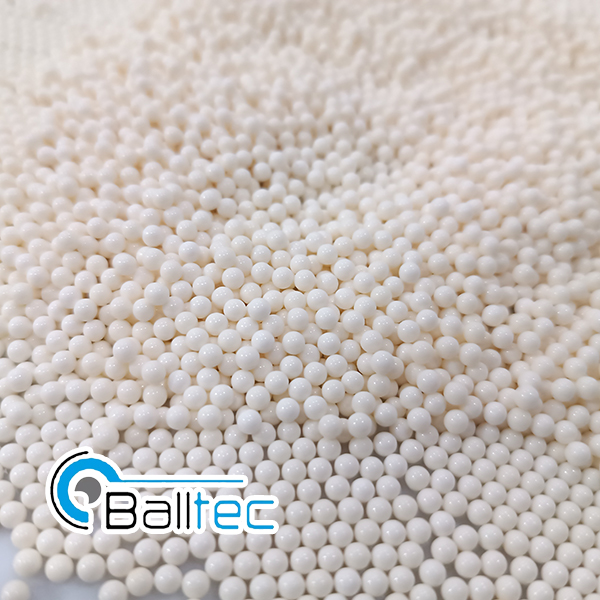

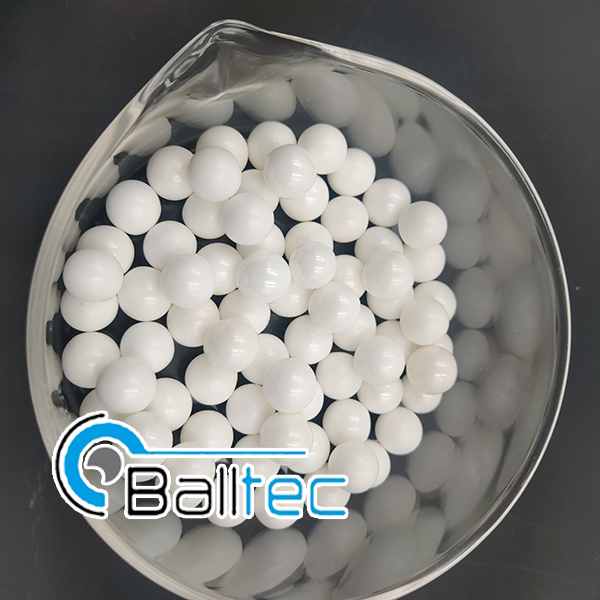

The influence of zirconium oxide beads in the grinding process of ink sanding machines
The operation of an ink sand mill relies on its feed pump to transfer materials into the cylinder. Prior to entering the cylinder, the materials—primarily a mixture of solid and liquid components—must undergo pre-dispersion and wetting treatment in the mixer.
Once the materials enter the cylinder, they are agitated by the disperser together with the grinding media inside, resulting in high-speed rotational movement. This induces intense collisions, friction, and shearing effects between the solid particles in the materials and the grinding media. Consequently, the materials are ground more efficiently, achieving fine particle size and dispersion of aggregates.
1. Effect of Zirconia Bead Filling Rate on Grinding Efficiency
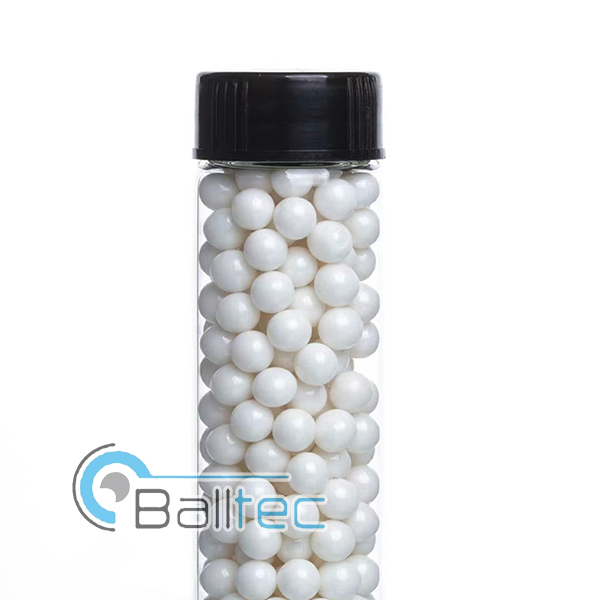
The filling rate of grinding media directly impacts the grinding efficiency of an ink sand mill. A higher filling rate increases the contact frequency between grinding media particles, thereby enhancing the dispersion and grinding capacity. This results in a smaller particle size of the final product within the same grinding duration.
2. Particle Size and Surface Finish of Zirconia Beads
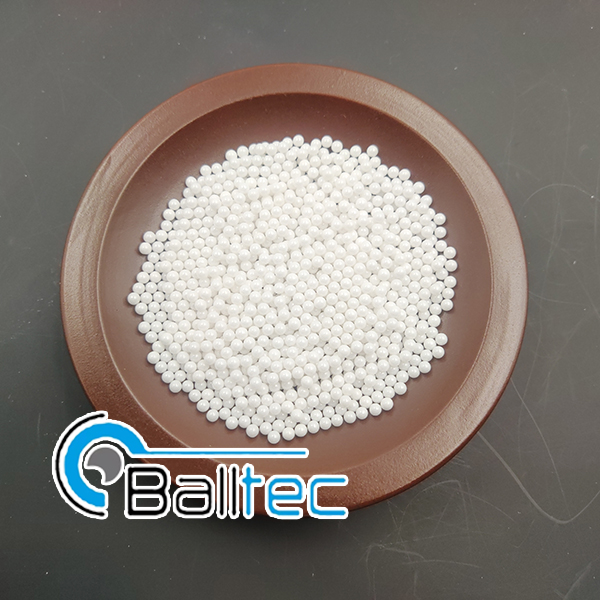
The particle size of zirconia beads determines the number of contact points between the beads and the materials. Under the same volume, smaller beads provide more contact points, theoretically yielding higher grinding efficiency.
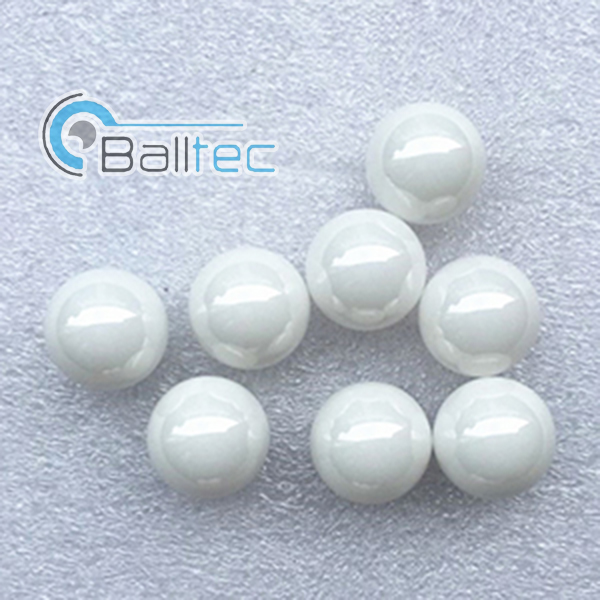
For beads made of the same material, the wear rate is directly proportional to the surface finish of the grinding media. Therefore, smooth surfaces are required to minimize wear. During the grinding and pulverization process, zirconia beads experience a certain degree of wear. The worn zirconia particles are difficult to separate once mixed into the slurry, which compromises product quality. Generally speaking, the smoother the surface of zirconia beads, the better.
3. Density and Hardness of Zirconia Beads
Typically, zirconia beads with higher density possess greater momentum, leading to higher grinding efficiency. However, they also cause relatively more wear to the contact components of the sand mill (such as the inner cylinder and dispersing discs). Thus, the coordination of slurry viscosity and flow rate becomes a key factor.
Low-density zirconia beads are suitable for low-viscosity slurries, while high-density beads are ideal for high-viscosity slurries. In theory, beads with higher hardness exhibit lower wear rates.
From the perspective of wear on sand mill contact components (dispersing discs, pins, inner cylinder, etc.), harder zirconia beads do cause more significant wear. Nevertheless, an optimal operating state can be achieved by adjusting parameters such as bead filling rate, slurry viscosity, and flow rate.
4. Flow Rate of Materials Being Ground
The flow rate of materials being ground during production must be adjusted appropriately. An excessively high flow rate will result in coarser particle sizes of the finished product, along with elevated pressure and temperature inside the grinding chamber. Conversely, an excessively low flow rate will reduce production efficiency.