


The Influence of Different Grinding Times on the Dispersion Effect of Water-Based Inks
Water-based inks, composed of colorants (pigments), binders, dispersants, and deionized water, rely heavily on the uniform dispersion of pigment particles to achieve stable performance (e.g., color consistency, gloss) and printability. Grinding is the core process that breaks pigment agglomerates into primary particles and distributes them evenly in the aqueous phase. The length of grinding time directly determines the dispersion effect, and its impact can be analyzed through key indicators such as particle size distribution, viscosity, and color performance.
1. Core Mechanism: How Grinding Time Affects Dispersion
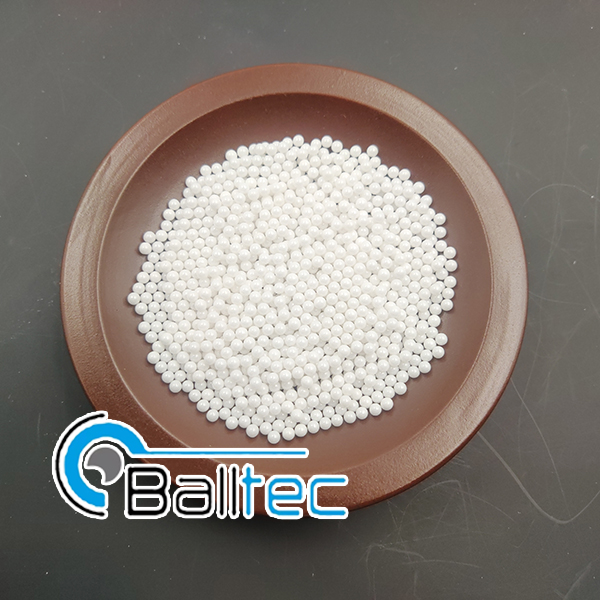
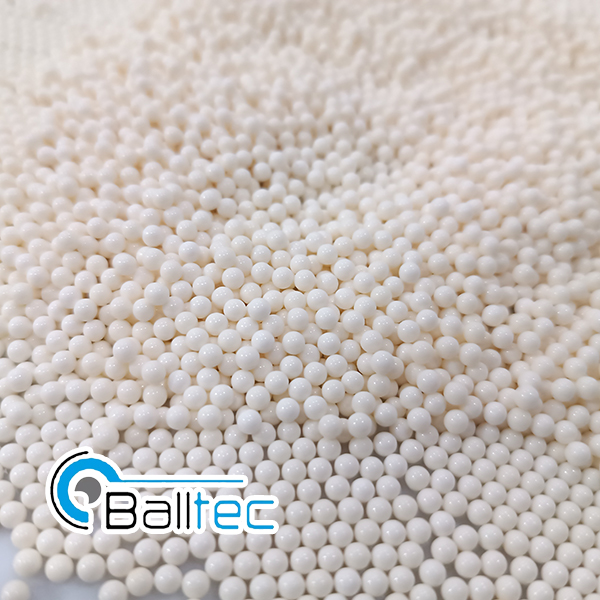
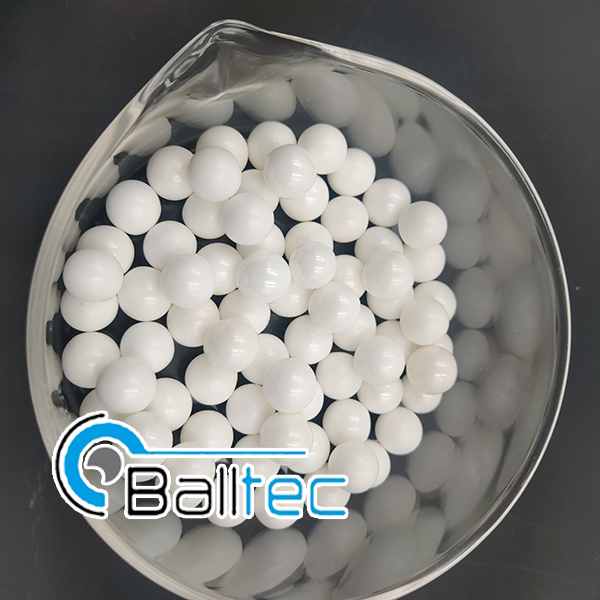
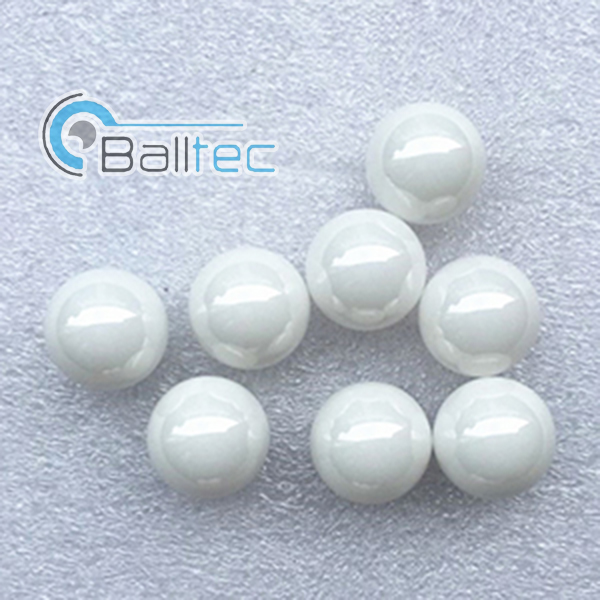
Pigments in water-based inks typically exist as agglomerates (5–50 μm) formed by van der Waals forces and hydrogen bonds. During grinding, mechanical shear and impact forces from grinding media (e.g., zirconia beads) gradually break these agglomerates. As grinding time increases:
- Agglomerate breakdown: Large agglomerates first split into smaller clusters, then into primary pigment particles (usually 0.1–1 μm, the optimal size for water-based inks).
- Dispersant adsorption: Dispersant molecules in the ink adsorb onto the newly exposed pigment surface, forming a stable double electric layer or steric hindrance, preventing re-agglomeration.
The dispersion effect reaches a "dynamic balance" when the rate of agglomerate breakdown equals the rate of re-agglomeration—this balance point is closely related to grinding time.
2. Impact of Different Grinding Times
2.1 Short Grinding Time (Insufficient Dispersion)
When grinding time is too short (e.g., <30 minutes for conventional pigment inks), the following issues arise:
- Wide particle size distribution: Most pigment agglomerates remain unbroken, leading to uneven particle sizes (D50 >5 μm, span >2.0). Large agglomerates cause "pinholes" or "color spots" during printing, as they cannot be evenly covered by binders.
- High viscosity and poor fluidity: Unbroken agglomerates increase the internal friction of the ink system, raising viscosity (e.g., >1000 mPa·s at 25°C). This makes the ink difficult to stir or transfer, reducing printability (e.g., ink-jet nozzles may clog).
- Faded color and low gloss: Insufficiently dispersed pigments cannot reflect light uniformly, resulting in dull color (low chroma) and reduced surface gloss (e.g., gloss value <40 GU at 60° measurement).
2.2 Moderate Grinding Time (Optimal Dispersion)
Moderate grinding time (e.g., 60–120 minutes for most water-based inks) achieves the best dispersion effect, characterized by:
- Narrow particle size distribution: Pigment agglomerates are fully broken into primary particles, with D50 controlled at 0.5–2 μm and span <1.5. This ensures uniform pigment distribution, avoiding printing defects.
- Stable viscosity: The ink viscosity drops to a suitable range (300–800 mPa·s at 25°C), balancing fluidity and film-forming properties—easy to print while maintaining good adhesion after drying.
- Excellent color and gloss: Uniformly dispersed pigment particles reflect light consistently, enhancing color saturation (chroma increase by 10–20%) and surface gloss (gloss value >60 GU at 60° measurement). Additionally, the stable dispersion reduces ink sedimentation during storage (sedimentation rate <5% after 7 days).
2.3 Excessively Long Grinding Time (Over-Dispersion)
Prolonging grinding time beyond the optimal range (e.g., >180 minutes) does not improve dispersion; instead, it causes negative effects:
- Over-fine particles and re-agglomeration: Excessive shear force breaks primary pigment particles into ultra-fine fragments (<0.1 μm), increasing their specific surface area. These fragments easily re-agglomerate due to enhanced intermolecular forces, reversing the dispersion effect and raising viscosity again.
- Degradation of auxiliary agents: Long-term mechanical friction generates heat (ink temperature may exceed 40°C), causing thermal degradation of dispersants or binders. Degraded dispersants lose their adsorption capacity, while oxidized binders reduce the ink’s adhesion and water resistance.
- Reduced production efficiency: Extended grinding time increases energy consumption (e.g., 30% higher electricity cost) and reduces production throughput, raising manufacturing costs without performance gains.
3. Key Recommendations for Controlling Grinding Time
To optimize the dispersion effect of water-based inks, grinding time should be adjusted based on:
- Pigment properties: Hard pigments (e.g., titanium dioxide) require longer grinding (90–120 minutes), while soft organic pigments (e.g., phthalocyanine blue) need shorter time (60–90 minutes) to avoid over-fine grinding.
- Real-time monitoring: Use particle size analyzers (e.g., laser diffraction analyzers) to track D50 and span during grinding, and stop when parameters reach the optimal range. For on-site operations, viscosity meters can be used as a quick indicator—stop grinding when viscosity stabilizes at the target value.
- Grinding equipment: High-efficiency sand mills (with small-diameter zirconia beads, e.g., 0.3–0.5 mm) can shorten grinding time by 20–30% compared to traditional ball mills, reducing the risk of over-dispersion.
Conclusion
Grinding time is a critical parameter for water-based ink dispersion: insufficient time leads to poor uniformity, while excessive time causes over-dispersion and performance degradation. Only by matching grinding time to pigment properties and monitoring key indicators (particle size, viscosity) can the ink achieve optimal dispersion—laying the foundation for stable printing quality and long-term storage stability.