


The Grinding Principle of Planetary Ball Mills
Planetary ball mills represent a class of high - efficiency grinding equipment widely utilized in materials science, geology, chemistry, and other fields. Their exceptional grinding performance stems from a unique working mechanism that combines rotational and revolutionary motions, enabling the effective reduction of material particle sizes to micrometer or even nanometer scales.
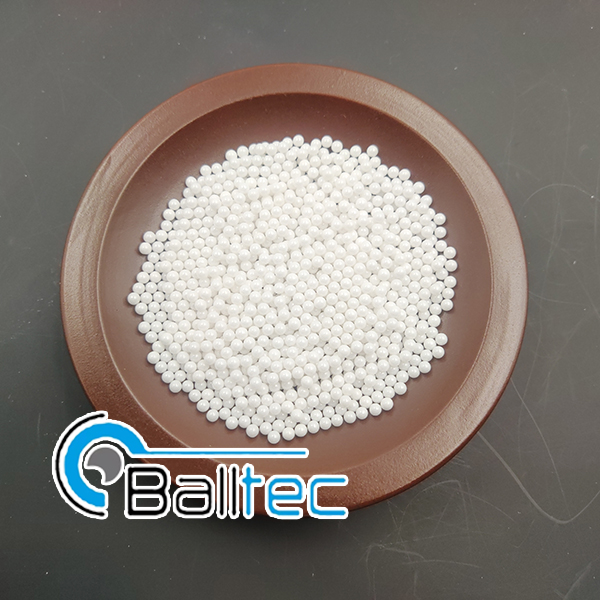
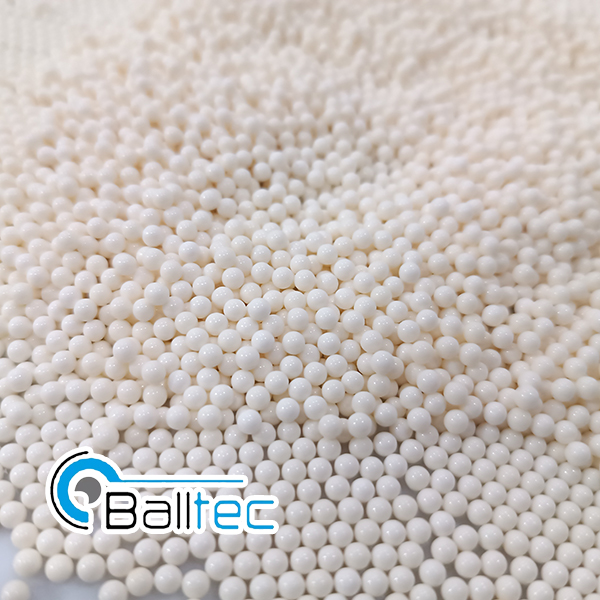
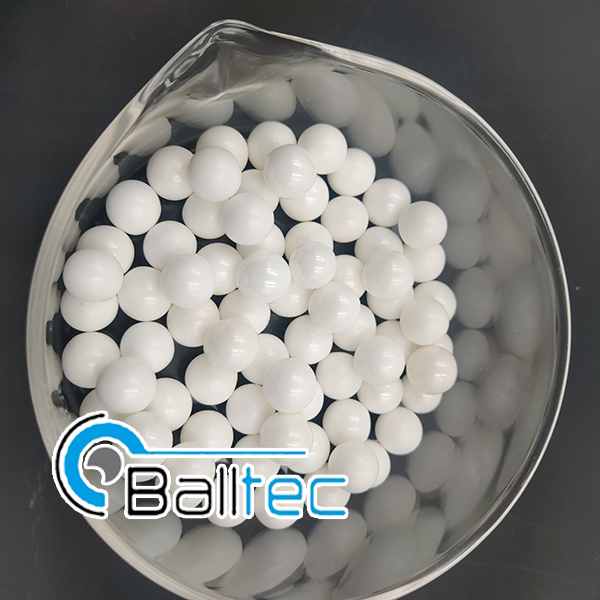
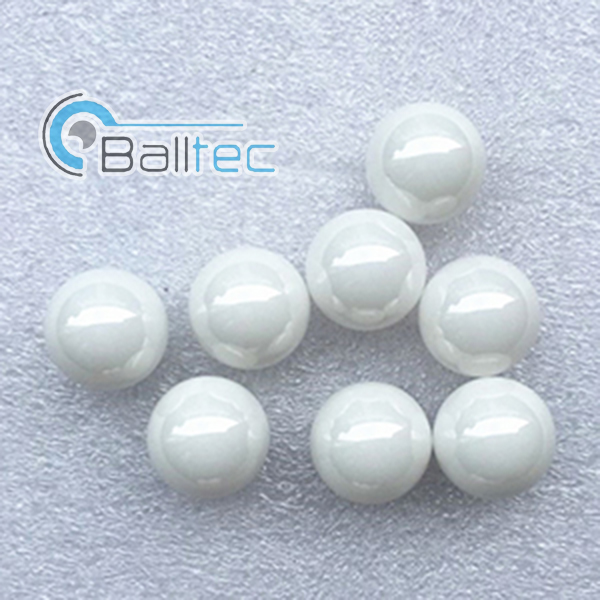
The fundamental structure of a planetary ball mill comprises a rotating base (sun wheel), multiple grinding jars (planets) mounted on the base, and grinding media (typically balls made of materials such as zirconia, alumina, or stainless steel) contained within the jars. When the mill is in operation, the base rotates around its central axis, while each grinding jar simultaneously rotates around its own axis in the opposite direction to the base's rotation. This dual motion is analogous to the orbital movement of planets around the sun, hence the name "planetary" ball mill.
The key to the grinding principle lies in the generation of strong centrifugal forces and impact energies. As the base and the grinding jars rotate, the grinding media and the material inside the jars are subjected to centrifugal forces resulting from both the revolution of the jars around the base's axis and their own rotation. These centrifugal forces cause the grinding media to move in complex trajectories, involving high - speed collisions, friction, and shearing actions with the material particles and with each other.
When the centrifugal force exceeds the gravitational force acting on the grinding media, the media are thrown outward and then fall back under the influence of gravity and the changing centrifugal force, creating intense impacts on the material. Additionally, the relative motion between the grinding media and the inner walls of the jars, as well as between individual media particles, generates significant frictional and shearing forces. These combined mechanical actions break down the material particles, reducing their size through processes such as fragmentation, attrition, and deformation.
The grinding efficiency of a planetary ball mill is influenced by several factors related to its operational parameters and the properties of the grinding system. The rotational speed of the base (revolution speed) and the grinding jars (rotation speed) is critical. A higher revolution speed increases the centrifugal force, enhancing the impact energy of the grinding media, but it also needs to be balanced to avoid excessive wear of the media and the jars. The ratio of the rotation speed to the revolution speed (usually in the range of 1:1 to 1:3) also affects the grinding dynamics, as it determines the intensity and frequency of the collisions.
The size, material, and filling ratio of the grinding media are another set of important factors. Larger grinding media are more effective for breaking down coarse particles due to their greater impact energy, while smaller media are better suited for fine grinding, providing a larger surface area for friction and shearing. The filling ratio of the media (the volume percentage of the media in the jar) typically ranges from 60% to 80%, as an appropriate filling ensures sufficient contact between the media and the material.
Furthermore, the properties of the material being ground, such as its hardness, brittleness, and initial particle size, along with the grinding time and the presence of grinding aids, also play significant roles in determining the final particle size and the efficiency of the grinding process.
In summary, the planetary ball mill achieves efficient grinding through the synergistic effect of centrifugal forces, impact, friction, and shearing generated by the combined rotational and revolutionary motions of the grinding jars and the grinding media. This principle allows for precise control over the grinding process, making planetary ball mills indispensable tools in various research and industrial applications requiring fine and ultra - fine particle materials.