

The application of zirconia in the field of functional ceramics
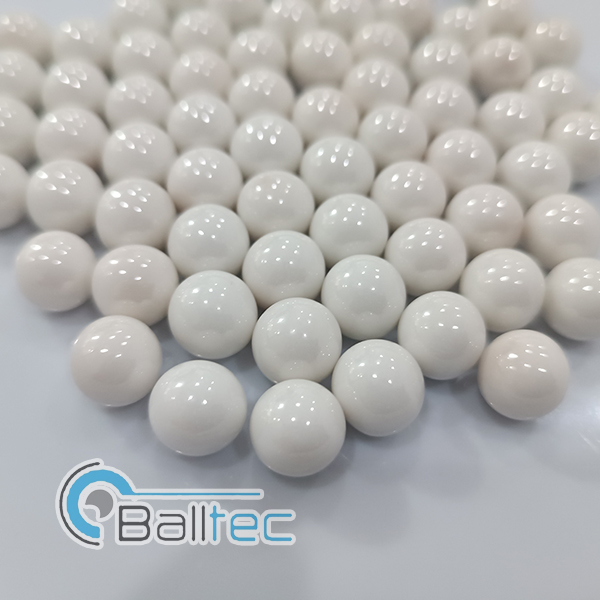
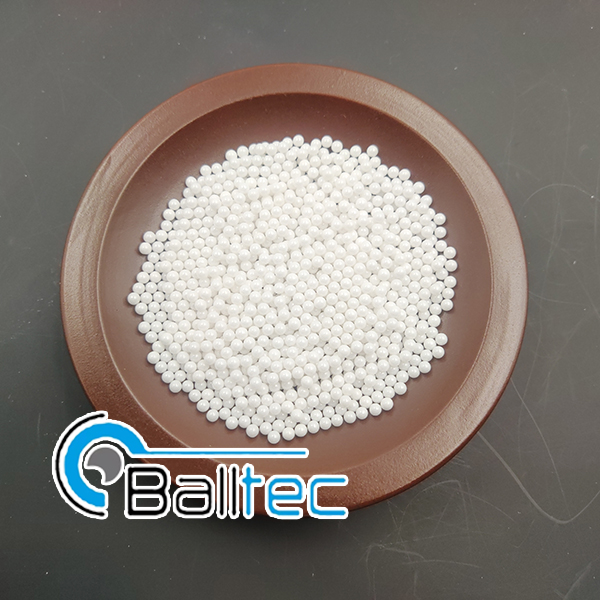
01 The ball bearings of ballpoint pens are made of zirconia ceramic.
Under normal circumstances, the ball bearings of ballpoint pens are mainly made of stainless steel and tungsten carbide. However, these ball bearings often experience breakage, dropping, and dead ball problems during writing. Zirconia ceramic ball bearings overcome these drawbacks.
02 Zirconia ceramic cutting tools
Zirconia ceramic cutting tools have the characteristics of high strength, wear resistance, no rusting, no oxidation, resistance to acid and alkali, and anti-static. They do not react with food. At the same time, the blade body has a lustrous appearance like jade, making them ideal high-tech green cutting tools. Currently, the products available on the market mainly include: zirconia ceramic table knives, scissors, razors, surgical knives, etc.
03 Zirconia high-temperature heating elements
Zirconia is an insulating material at room temperature. It becomes conductive when the temperature rises to 600°C, and it is a good conductor at 1000°C or above. It can be used as a heating element for 1800°C and has a maximum working temperature of up to 2400°C. It has been successfully applied in heating elements and equipment in an oxidation atmosphere above 2000°C.
04 Zirconia Bioceramic Materials
The quality of dental porcelain materials directly impacts the durability of dental restorations and patients’ health. Conventional porcelain teeth have inner crowns made of various metal materials, which are prone to oxidation reactions with oral saliva. In contrast, zirconia-based porcelain teeth eliminate the metal inner crown layer, delivering excellent translucency and luster. They effectively prevent dental allergies and gingival dark lines, and offer superior opacifying power, perfectly meeting patients’ cosmetic dental needs. The high toughness of zirconia compensates for the brittleness of traditional porcelain teeth that are liable to chipping. With excellent biocompatibility, it does not irritate oral mucosal tissues and is easy to clean. Zirconia porcelain teeth are recognized as the premium choice for dental restorations worldwide, hailed as the "aristocrat" of the porcelain tooth family.
05 Zirconia Coating Materials
High-performance zirconia thermal barrier ceramic coatings stabilized by additives such as yttria (Y₂O₃) are mainly applied in high-performance turbine aero-engines. Leveraging ceramics’ thermal insulation and corrosion resistance properties, these coatings protect underlying metal components, not only improving fuel combustion efficiency but also significantly extending engine service life. They hold significant application value in aerospace, marine vessels, large-scale thermal power generation, and automotive power systems, and are regarded as a key technology in cutting-edge fields of modern national defense.
06 Zirconia Oxygen Sensors
Oxygen sensors are indispensable components in automotive engines equipped with three-way catalytic converters to reduce exhaust emissions. Two types of oxygen sensors are currently in use: titanium oxide and zirconia, with the latter being the most widely adopted. Japanese scientists have developed porous oxygen sensors using zirconia, which are installed in engines to automatically monitor the ratio of oxygen to combustion gases. These sensors further regulate the intake and exhaust gas ratios, thereby drastically reducing harmful emissions from vehicles.