

Selection and Cleaning of Zirconia Beads for Cell and Tissue Homogenization
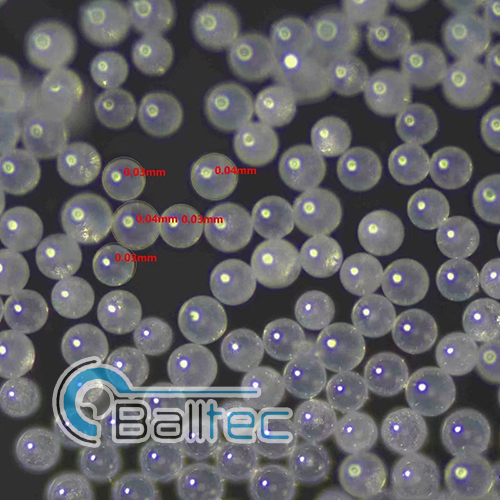
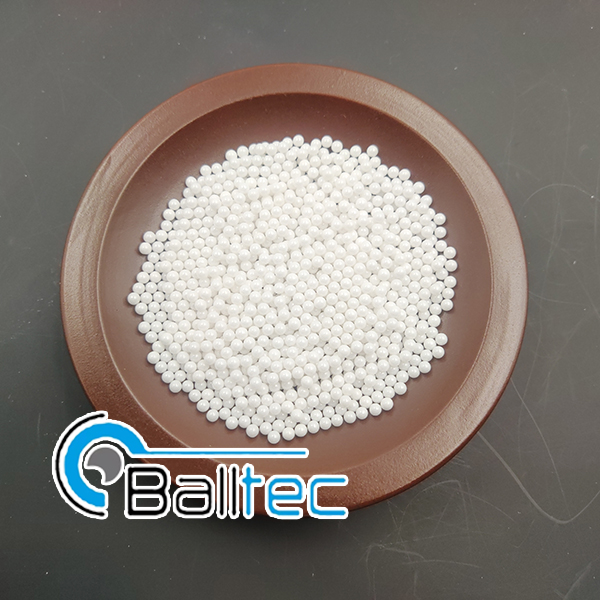
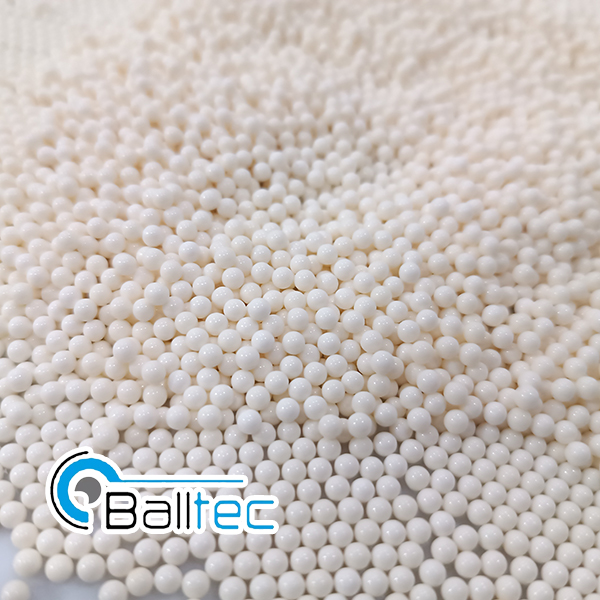
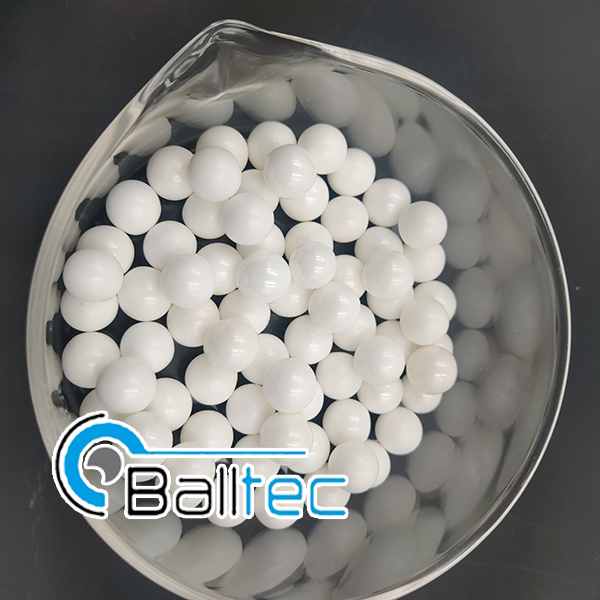
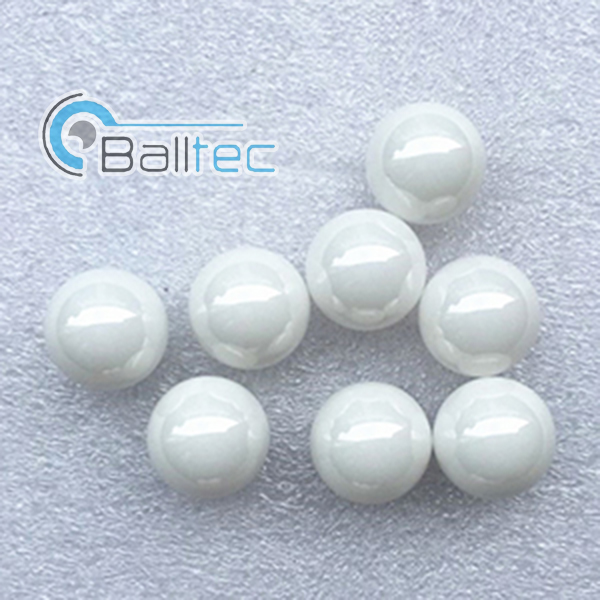
For bacteria, use zirconia beads with a diameter of 0.1mm; for yeasts or fungi, select 0.5mm-diameter zirconia beads; for most tissues, 1.0mm-diameter zirconia beads are suitable; for skin or "soft" plant materials, 2.0mm zirconia beads are recommended. In practical applications, beads with a diameter close to the sample particle size and higher density are preferred. For example, 0.1mm zirconia beads are often used for breaking spores; 2.5mm zirconia beads can be selected for disrupting plant fiber tissues. For the homogenization of animal and plant tissues, angular particles are more time-efficient than smooth beads.
Cleaning of Zirconia Beads:
In many cases, there is no need to clean newly purchased glass beads or ceramic beads. Acid should not be used to clean the beads. The used beads can be soaked in laboratory cleaner for one night, then rinsed with tap water to remove all the cleaner, and then rinsed with distilled water. The washed beads should be placed in a stainless steel tray or glass tray and dried in a 40-70 degrees Celsius oven.
The structure of zirconia beads is very stable. Under normal circumstances, they are unlikely to react with the oxide in the medium. Not only will they not oxidize at room temperature, but they will not oxidize even under high-temperature conditions. Zirconia beads have strong resistance to corrosion by acids, bases, salts, and molten metallic elements. Zirconia beads can resist the corrosion of hydrofluoric acid and molten sodium hydroxide, and can almost resist the corrosion of all inorganic acids and most alkaline solutions. In summary, the chemical stability of zirconia beads is very good.