


Optimal Zirconia Bead Size for Bacterial Grinding
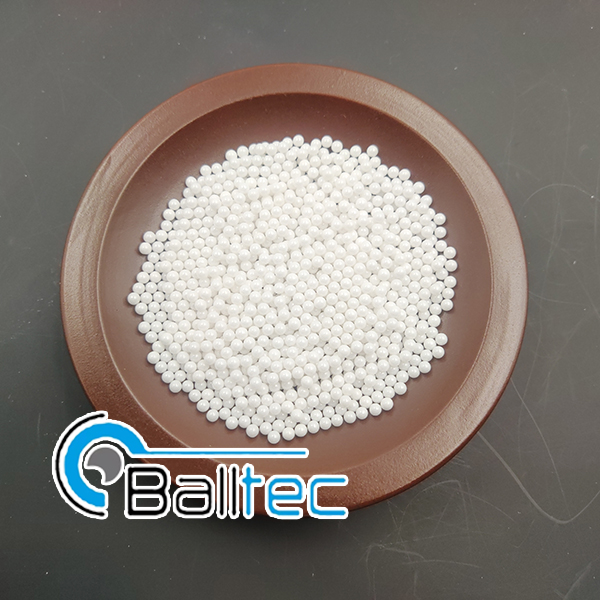
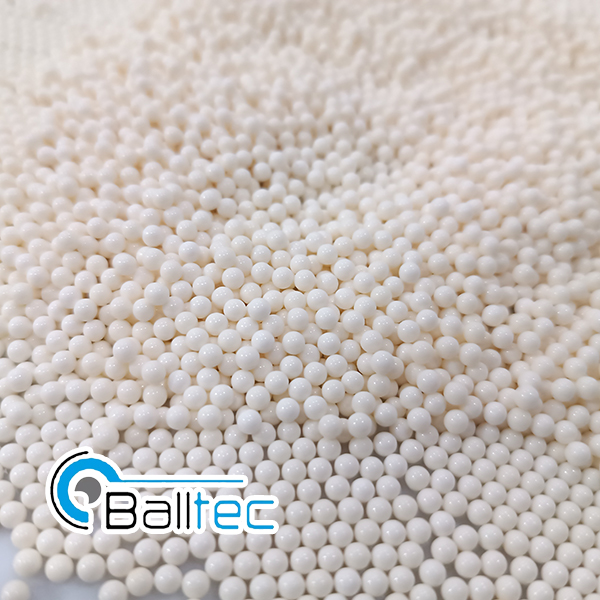
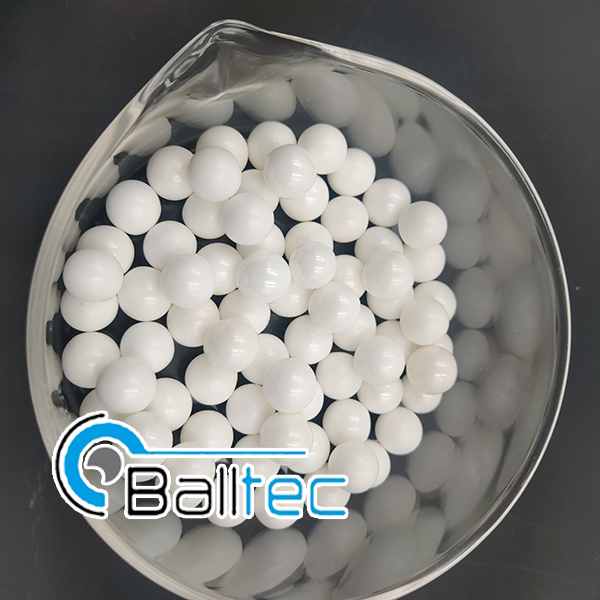
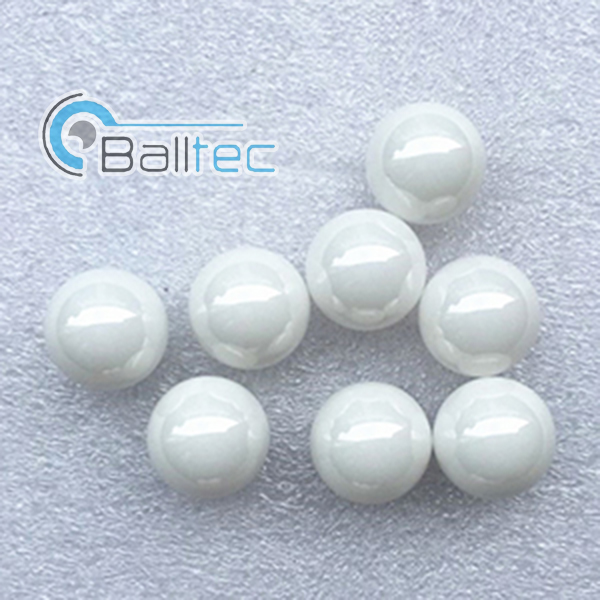
Bacterial grinding is a critical step in microbiological research, facilitating the extraction of intracellular components such as nucleic acids, proteins, and metabolites. Zirconia beads, renowned for their high hardness, chemical inertness, and minimal contamination risk, are widely used as grinding media in this process. The selection of bead size directly impacts grinding efficiency, cell disruption completeness, and the integrity of target analytes. This article focuses on determining the optimal zirconia bead size for bacterial grinding, considering bacterial structural characteristics and practical operational requirements.
Bacterial Structural Features and Grinding Requirements
Bacteria are typically 0.5–5 μm in size, with cell walls composed of peptidoglycan (thicker in Gram-positive bacteria, thinner in Gram-negative bacteria) and a cytoplasmic membrane. To achieve effective grinding, the following requirements must be met:
- Complete cell disruption: The beads must generate sufficient mechanical force to break the cell wall and membrane without excessive energy input that could degrade sensitive biomolecules.
- Minimal analyte damage: Avoid over-grinding, which may cause shearing of nucleic acids or denaturation of proteins.
- Efficiency and uniformity: Ensure consistent disruption across the bacterial population to reduce experimental variability.
These requirements make bead size a critical parameter, as it determines the contact area with bacterial cells and the intensity of impact forces during grinding.
Impact of Zirconia Bead Size on Grinding Efficiency
Zirconia beads for bacterial grinding are commonly available in sizes ranging from 0.1 mm to 1.0 mm. Each size category offers distinct advantages and limitations, as outlined below:
0.1–0.3 mm Beads: Ideal for Small or Fragile Bacteria
Beads in this size range are highly effective for grinding small bacterial species (≤1 μm) or Gram-negative bacteria with thinner cell walls (e.g., E. coli). Their small diameter ensures a large contact area with bacterial cells, enabling uniform grinding through continuous friction and micro-impacts. This size minimizes the risk of over-disruption, making it suitable for extracting intact proteins or large nucleic acids (e.g., genomic DNA).
However, their small size limits impact force, making them less efficient for grinding Gram-positive bacteria with thicker peptidoglycan layers (e.g., Staphylococcus aureus) unless combined with extended grinding times.
0.5–0.8 mm Beads: Versatile for Most Bacterial Types
This size range balances impact force and contact area, making it the most versatile choice for general bacterial grinding. The 0.5–0.8 mm beads generate sufficient momentum to disrupt Gram-positive bacteria while maintaining contact efficiency with larger bacterial cells (2–5 μm). They are widely used in laboratories for standardized protocols, offering consistent results for both Gram-positive and Gram-negative species.
Their moderate size reduces the risk of bead aggregation (a common issue with smaller beads) and ensures compatibility with most grinding equipment, such as bead mills or homogenizers. This size is particularly recommended for high-throughput experiments requiring reliable and reproducible cell disruption.
1.0 mm Beads: Suitable for Resistant or Aggregated Bacteria
Beads of 1.0 mm in diameter deliver higher impact energy, making them effective for grinding resistant bacterial strains (e.g., spore-forming bacteria like Bacillus subtilis) or bacterial aggregates. The larger size generates stronger collisions, which can break down clumps and penetrate tough cell structures.
However, their larger diameter reduces the contact area with individual bacterial cells, increasing the risk of uneven disruption. Over-grinding may also occur if the grinding time is not carefully controlled, leading to nucleic acid shearing. Thus, 1.0 mm beads are typically reserved for specialized applications where enhanced impact force is necessary.
Practical Recommendations for Bead Size Selection
The optimal zirconia bead size depends on bacterial type, target analyte, and equipment type. The following guidelines are derived from experimental best practices:
- Gram-negative bacteria (e.g., coli, Pseudomonas): 0.1–0.5 mm beads. These bacteria have thinner cell walls, and smaller beads provide sufficient disruption without damaging intracellular components.
- Gram-positive bacteria (e.g., Staphylococcus, Streptococcus): 0.5–0.8 mm beads. The increased impact force of these beads is required to break the thicker peptidoglycan layer.
- Resistant or aggregated bacteria (e.g., spores, biofilms): 0.8–1.0 mm beads. Larger beads generate the necessary force to disrupt tough structures, though grinding time should be minimized to avoid analyte degradation.
- General applications/unknown bacterial types: 0.5 mm beads. This size offers a balance of efficiency and safety, suitable for most routine experiments.
Additional Considerations
- Bead-to-sample ratio: A ratio of 1:1 to 3:1 (bead volume to bacterial suspension volume) is recommended to ensure adequate contact. Higher ratios may improve disruption but increase the risk of over-grinding.
- Grinding time and speed: Smaller beads require longer grinding times (1–3 minutes), while larger beads may achieve disruption in 30–60 seconds. Adjust speed (typically 3,000–6,000 rpm in bead mills) to avoid excessive heat generation.
- Equipment compatibility: Ensure the selected bead size is compatible with the grinding vessel and agitator design. Smaller beads (≤0.3 mm) work best with microcentrifuge tube-based systems, while larger beads (≥0.5 mm) are better suited for larger grinding chambers.
Conclusion
The optimal zirconia bead size for bacterial grinding is determined by bacterial cell wall thickness, size, and target analyte stability. For most applications, 0.5–0.8 mm zirconia beads are recommended, as they balance impact force and contact efficiency to achieve complete, uniform disruption without compromising analyte integrity. Smaller beads (0.1–0.3 mm) are preferred for fragile or small bacteria, while larger beads (0.8–1.0 mm) are reserved for resistant strains or aggregated samples. By selecting the appropriate bead size and optimizing operational parameters, researchers can ensure reliable and efficient bacterial grinding for downstream biochemical and molecular analyses.