


Key Precautions for the Proper Use of Zirconia Beads
Introduction
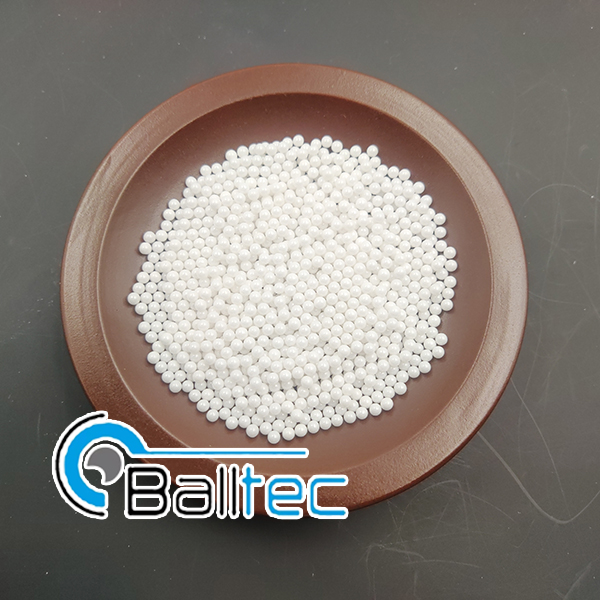
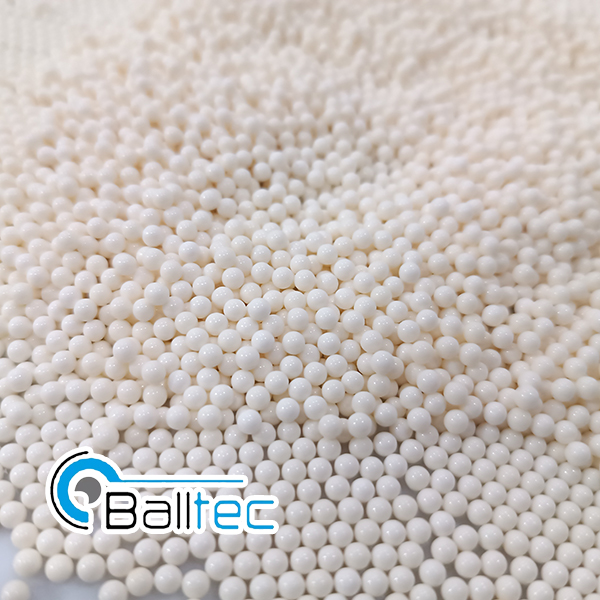
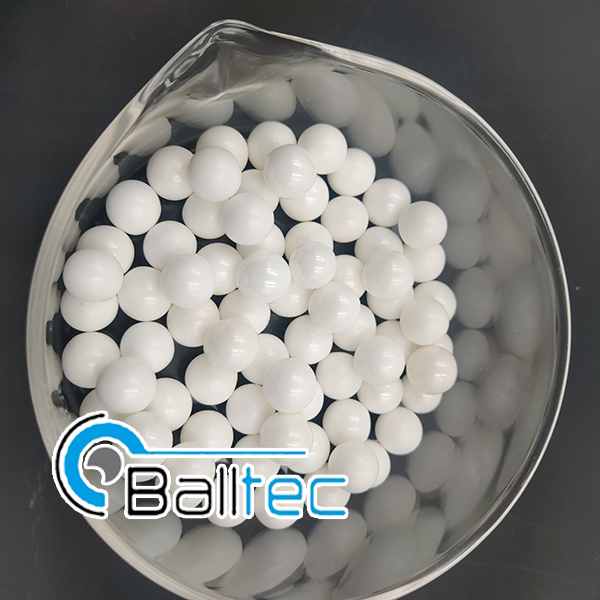
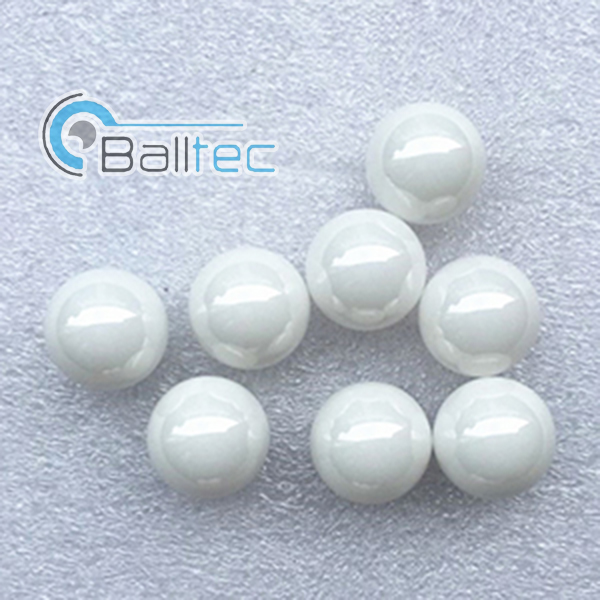
Zirconia beads (primarily yttria-stabilized zirconia, YSZ) are widely used as high-performance grinding media in industries such as paints, inks, lithium-ion batteries, and advanced ceramics, thanks to their high density, low wear rate, and chemical inertness. However, improper use can lead to reduced grinding efficiency, equipment damage, product contamination, or even safety risks. This article outlines critical precautions to ensure the optimal performance and longevity of zirconia beads during application.
1. Precautions for Selection and Pre-Use Inspection
1.1 Match Bead Size to Grinding Requirements
The particle size of zirconia beads must align with the initial particle size of the material and the target fineness. Using beads that are too large may cause insufficient particle refinement (e.g., failing to reach nano-scale for battery materials), while overly small beads (≤0.1mm) can increase the risk of bead agglomeration or leakage through the grinding chamber’s separator. For coarse pre-grinding (initial particle size >50μm), 3–5mm beads are recommended; for ultra-fine grinding (target <1μm), 0.3–1mm beads are more suitable.
1.2 Verify Bead Quality Before Use
Before loading, inspect the beads for defects:
- Reject beads with visible cracks, chips, or surface impurities (these can break during grinding, contaminating the material).
- Check for size uniformity using a sieve; avoid mixing beads of different sizes (size inconsistency reduces grinding homogeneity and increases wear).
- For high-purity applications (e.g., electronic pastes), confirm the bead’s impurity content (e.g., Fe₂O₃ <0.01%) via the manufacturer’s certificate to prevent product adulteration.
2. Precautions for Equipment Compatibility and Loading
2.1 Ensure Compatibility with Grinding Equipment
Zirconia beads are designed for specific grinding machines; mismatched equipment can cause inefficiency or damage:
- For sand mills: Use beads with a diameter 1/5–1/10 of the grinding chamber’s gap (e.g., 0.5–1mm beads for a 5mm gap) to avoid bead jamming.
- For planetary ball mills: Select beads with high compressive strength (≥2000MPa) to withstand high centrifugal forces; avoid using low-stability beads (e.g., MgO-stabilized zirconia) that may shatter.
2.2 Control Loading Volume Correctly
Overloading or underloading reduces performance:
- The optimal loading volume is 70–80% of the grinding chamber’s effective volume. Overloading increases friction between beads, raising temperature and wear; underloading reduces impact frequency, slowing grinding speed.
- For vertical sand mills, adjust the liquid-solid ratio (typically 1.2:1–2:1) when loading beads to ensure sufficient material lubrication and prevent dry friction.
3. Precautions During the Grinding Process
3.1 Monitor Operating Parameters
- Temperature: Keep the grinding chamber temperature <80°C. High temperatures (e.g., >100°C) can destabilize the bead’s tetragonal phase, leading to cracking. Use cooling systems (e.g., water jackets) for heat-generating materials (e.g., high-viscosity slurries).
- Speed: Follow the equipment’s recommended speed (e.g., 1500–2500 rpm for sand mills). Excessive speed increases centrifugal force, causing beads to abrade the chamber wall; insufficient speed limits impact energy.
3.2 Avoid Contamination Risks
- Prevent cross-contamination: Clean the grinding chamber and beads thoroughly when switching materials (e.g., from pigment to battery slurry). Residues from previous materials can alter product properties.
- Use compatible dispersants: Ensure the grinding material’s dispersant/solvent does not react with zirconia. For example, avoid strong hydrofluoric acid (HF), which dissolves ZrO₂ and contaminates the material.
4. Precautions for Post-Use Maintenance
4.1 Clean and Store Beads Properly
- After use, rinse beads with deionized water or a compatible solvent to remove material residues. Drying beads at 60–80°C (avoid high temperatures >200°C) prevents moisture-induced agglomeration.
- Store beads in a dry, sealed container (e.g., plastic buckets) to avoid dust contamination. Do not stack heavy objects on stored beads to prevent crushing.
4.2 Replace Beads Timely
- Replace beads when their wear rate exceeds 0.3 ppm/h or when 5% of beads show cracks/chips. Worn beads reduce grinding efficiency and increase contamination risk.
- For batch operations, track bead usage time (typically 500–800 hours for YSZ beads) and schedule replacements proactively.
5. Safety Precautions
- Wear personal protective equipment (PPE): Use gloves and goggles when handling beads to prevent eye irritation or skin scratches from sharp edges.
- Avoid inhalation risks: Fine zirconia dust (from broken beads) can irritate the respiratory tract; use a dust collector during bead handling or replacement.
Conclusion
Proper use of zirconia beads requires careful selection, equipment compatibility, process monitoring, and maintenance. By following these precautions, users can maximize grinding efficiency, minimize product contamination, extend bead and equipment lifespan, and ensure safe operation—critical for meeting quality standards in high-precision industries.