


How to select the size of zirconium beads for planetary ball milling to grind materials?
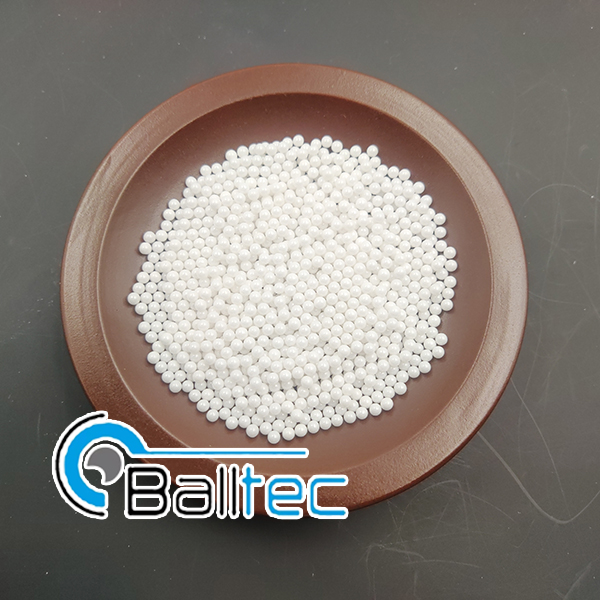
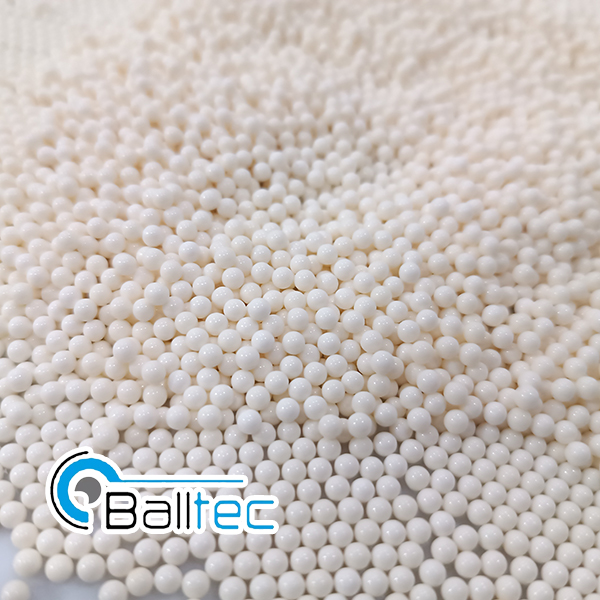
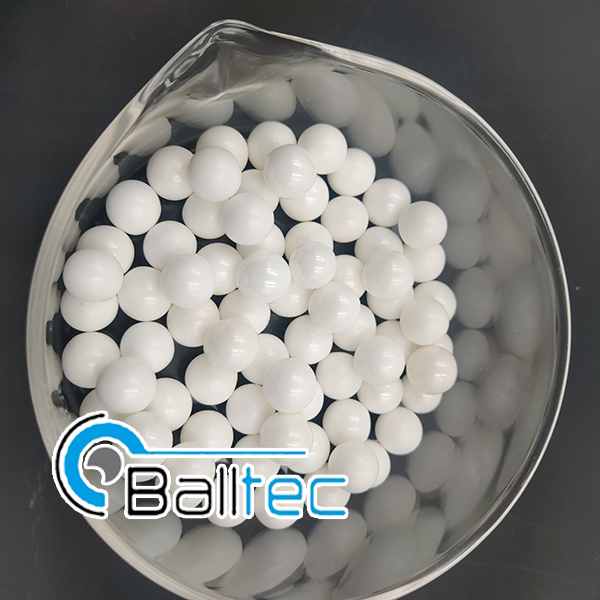
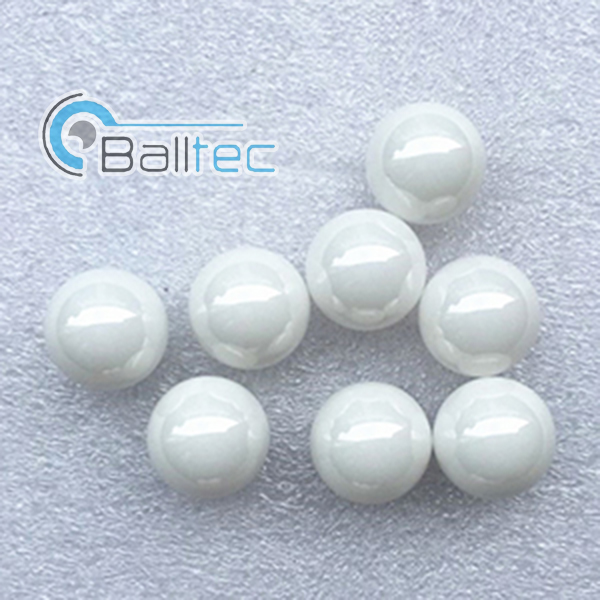
Planetary ball mills are suitable for grinding (dry or wet) and mixing soft, hard, brittle, and fibrous samples. The grinding results are reproducible, meeting applications with extremely high fineness requirements. In addition to classic mixing and grinding processes, planetary ball mills can also satisfy the technical requirements of colloid grinding. Their energy input meets the needs of mechanical alloy preparation, enabling both dry and wet grinding of samples. When zirconia beads operate together with the grinding jar, they are affected by the superposition of rotational centrifugal force. Under this influence, zirconia beads release a large amount of kinetic energy: the sample is continuously impacted by the grinding beads and generates significant friction with the inner wall of the grinding jar, resulting in high-efficiency comminution. For a sample with an initial particle size of 0–15 µm, 3 mm zirconia beads can grind it to 1–2 µm at a rotational speed of 480 rpm; the material is carotene + vegetable oil. For a non-uniform sample with an initial particle size of 0–20 mm, 30 mm zirconia beads can grind it to <150 µm at 480 rpm. For ferrite powder with an initial particle size of 30–50 µm, 10 mm zirconia beads can grind it to <0.8 µm at 400 rpm after 4 hours of grinding. For alumina and flux blocks with an initial particle size of 0–3 mm, a combination of 20 mm and 30 mm zirconia beads can grind them to <100 µm at 320 rpm in 10 minutes. For gypsum, clinker, and calcite with an initial particle size of 0–5 mm, 20 mm zirconia beads can grind them to <45 µm at 320 rpm. For a sample with an initial particle size of 0–2 mm, 20 mm zirconia beads can grind it to <40 µm at 450 rpm. For a sample with an initial particle size of 0–20 µm, 10 mm zirconia beads can grind it to <2 µm at 600 rpm. For a sample with an initial particle size of 300–850 µm, 20 mm zirconia beads can grind it to <1 µm. For aluminum sulfate (Al₂(SO₄)₃) and montmorillonite with an initial particle size of 0–100 µm, 10 mm zirconia beads can grind them to <10 µm at 400 rpm. For a sample with an initial particle size of 0–200 µm, 2 mm zirconia beads can grind it to <0.2 µm at 500 rpm. Based on the above analysis, planetary ball mills can use both small and large zirconia beads. For materials with an initial particle size above 1 mm, if the target fineness is around 20 µm, 20 mm beads are mostly used. To achieve a target fineness of around 10 µm, 10 mm beads are preferred. In other words, when the initial particle size of the material falls within a certain range, the diameter of the zirconia beads determines the achievable final particle size of the material.