


How to Choose Grinding Beads for Tissue Grinding
Tissue grinding is a critical step in biological and medical research, as well as in pharmaceutical development. It involves disrupting tissue structures to release intracellular components such as proteins, nucleic acids, and metabolites. The choice of grinding beads directly affects the efficiency of tissue disruption, the integrity of target analytes, and the reproducibility of experimental results. Selecting the right grinding beads requires consideration of multiple factors, including bead material, size, hardness, and density, all of which must align with the specific characteristics of the tissue sample and the research objectives.
Consider Bead Material Based on Sample Compatibility and Analyte Preservation
The material of grinding beads is a primary consideration, as it must not interact with the tissue sample or contaminate the target analytes. Common materials for tissue grinding beads include stainless steel, zirconia, glass, and ceramic, each with distinct properties suited to different applications.
Stainless steel beads are known for their high hardness and durability. They are ideal for grinding tough or fibrous tissues, such as muscle, connective tissue, or plant stems, where strong mechanical force is required to break down cell walls and extracellular matrices. However, stainless steel may release trace metal ions, which can interfere with certain assays (e.g., metal - sensitive enzyme activity measurements). Thus, they are best used when metal contamination is not a concern.
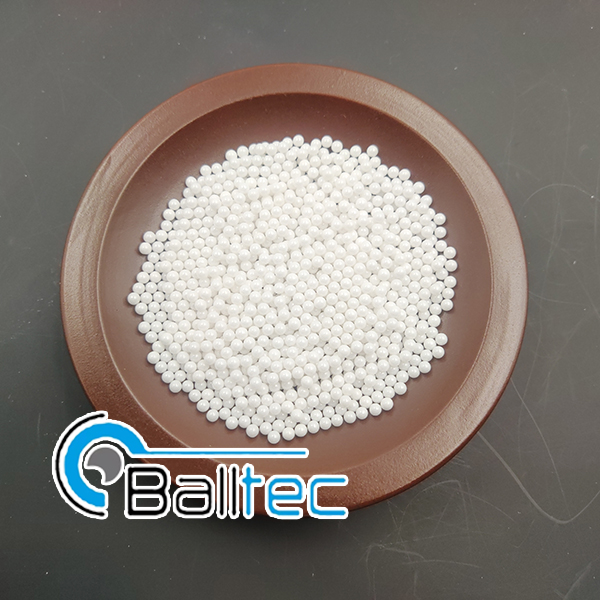
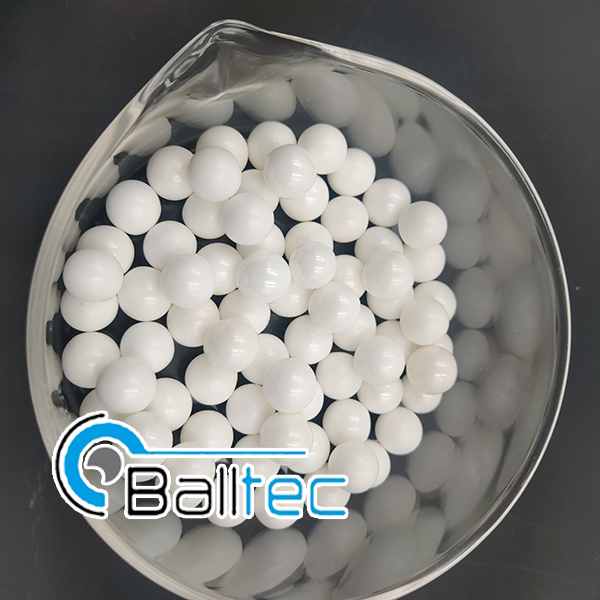
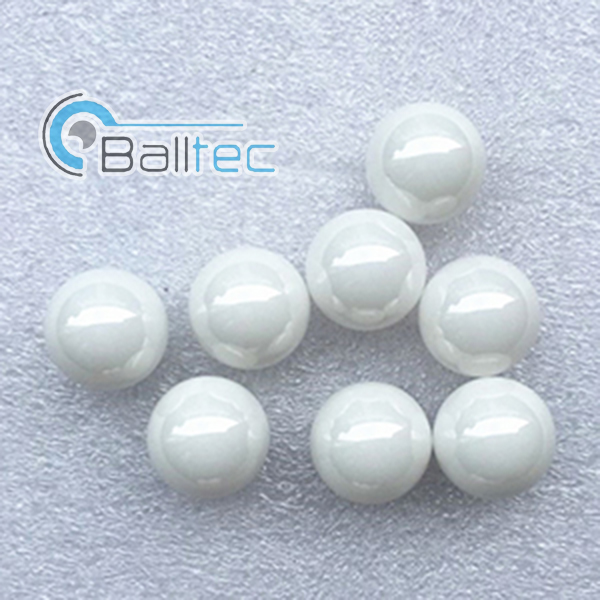
Zirconia beads, particularly yttria - stabilized zirconia, offer excellent chemical inertness and hardness. They are suitable for a wide range of tissues, including soft tissues like liver, kidney, and brain, as well as harder samples such as bone (when used in combination with appropriate grinding protocols). Zirconia beads do not leach contaminants and are compatible with most downstream analyses, including PCR, mass spectrometry, and protein electrophoresis. Their resistance to wear also ensures long - term usability without compromising sample integrity.
Glass beads are a cost - effective option for grinding soft to moderately hard tissues. They are relatively inert but may generate small glass particles if subjected to excessive force, which can contaminate samples. Glass beads are often used in low - throughput manual grinding or when working with samples that are not sensitive to minor particulate contamination. They are less suitable for tough tissues, as their lower hardness may result in incomplete disruption.
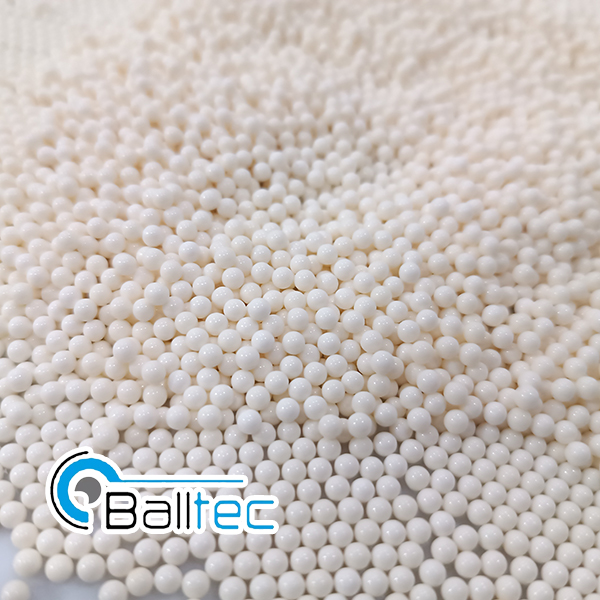
Ceramic beads, such as alumina or silica - based ceramics, provide a balance between hardness and inertness. They are effective for grinding plant tissues, which contain rigid cell walls, and are also used in microbial cell disruption. Ceramic beads are resistant to chemical corrosion, making them compatible with a variety of lysis buffers and extraction reagents.
Match Bead Size to Tissue Type and Grinding Equipment
Bead size directly influences the contact area with the tissue and the intensity of mechanical impact. Choosing the correct size ensures efficient disruption without excessive sample heating or analyte degradation.
Small beads (0.1–0.5 mm in diameter) are ideal for grinding soft tissues and small - volume samples. Their small size allows for uniform mixing with the tissue, ensuring that even tiny fragments are subjected to grinding forces. They are commonly used in microcentrifuge tube - based grinding systems for processing samples like cell cultures, blood, or delicate tissues such as embryos. However, small beads may not generate enough force to disrupt fibrous or calcified tissues.
Medium beads (0.5–2 mm) are the most versatile, suitable for a wide range of tissues from soft to moderately hard. They work well in both manual and automated grinding systems, providing sufficient force to disrupt muscle tissue, plant leaves, and most animal organs. Medium beads balance grinding efficiency with sample preservation, reducing the risk of over - processing that can lead to protein denaturation or nucleic acid shearing.
Large beads (2–5 mm) are designed for tough, fibrous, or large tissue samples. They generate high impact forces, making them effective for grinding cartilage, bone, and woody plant tissues. Large beads are typically used in larger grinding vessels or automated homogenizers, where their size allows for greater momentum during agitation. However, they are not suitable for small - volume samples, as they may cause excessive sample loss or uneven grinding.
Evaluate Hardness and Density for Disruption Efficiency
Hardness is a measure of a bead’s ability to resist deformation, directly affecting its ability to break down tissue structures. Harder beads (e.g., zirconia, stainless steel) are more effective at disrupting tough tissues, while softer beads (e.g., glass) are better suited for delicate samples.
Density also plays a role: higher - density beads (e.g., stainless steel, zirconia) transfer more kinetic energy during grinding, resulting in faster and more thorough disruption. This is particularly important for automated systems that rely on high - speed agitation. Lower - density beads (e.g., glass) generate less heat during grinding, which can be advantageous for heat - sensitive analytes, but may require longer grinding times for complete tissue disruption.
Consider Practical Factors: Equipment Compatibility and Cost
The choice of grinding beads must also align with the grinding equipment being used. For example, bead mills and homogenizers have specific requirements for bead size and material to ensure optimal performance and avoid damage to the equipment. Some automated systems recommend zirconia beads for their balance of hardness and compatibility, while manual mortar - and - pestle grinding may use glass or ceramic beads.
Cost is another practical consideration. Glass beads are the most economical, making them suitable for large - scale experiments or routine applications. Zirconia beads, while more expensive, offer superior performance and reusability, making them a cost - effective choice for high - precision research. Stainless steel beads, though durable, may require additional cleaning to prevent cross - contamination, adding to overall workflow costs.
Conclusion
Selecting the right grinding beads for tissue grinding requires a systematic assessment of tissue characteristics, analyte sensitivity, and equipment capabilities. Zirconia beads are a versatile choice for most applications, offering inertness, hardness, and compatibility with downstream analyses. Stainless steel beads excel at disrupting tough tissues but require caution in metal - sensitive assays. Glass and ceramic beads provide cost - effective options for specific use cases. By matching bead size, material, and hardness to the sample and equipment, researchers can ensure efficient tissue disruption, preserve analyte integrity, and achieve reliable experimental results.