


How hard are zirconia balls?
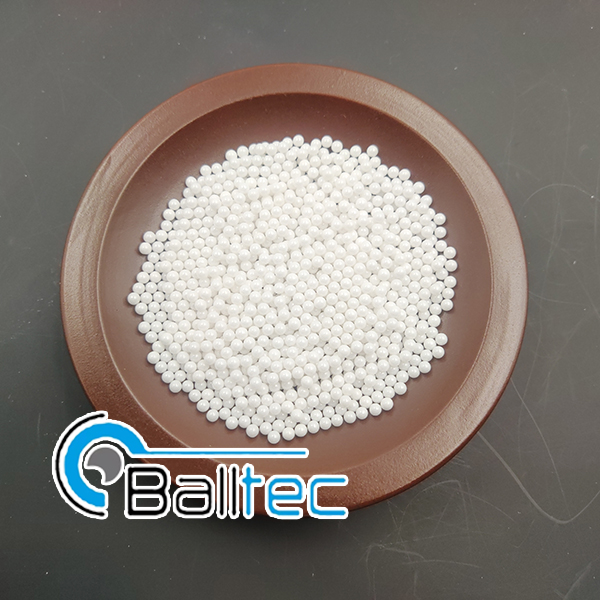
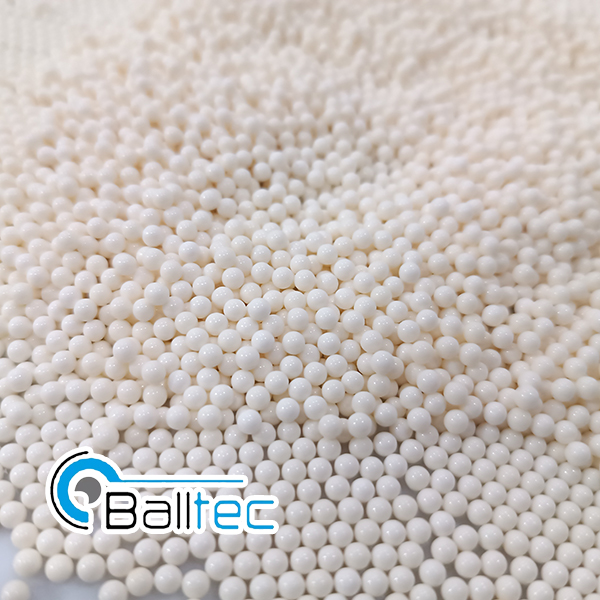
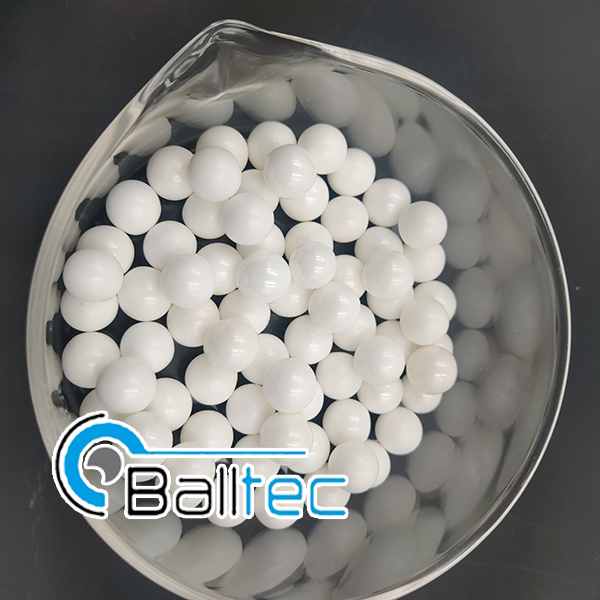
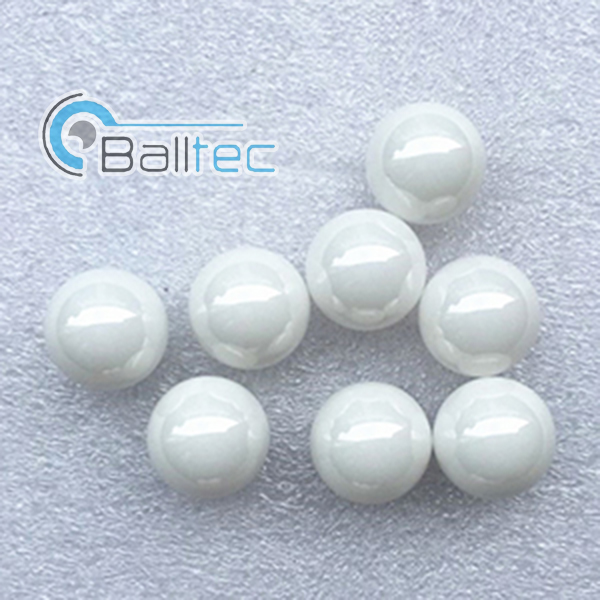
As a grinding material, zirconia balls are distinguished by their high density, high hardness, and excellent toughness. Although their price is higher than that of other abrasives, they offer excellent overall cost-effectiveness because they can save significant costs in long-term use.
The hardness of zirconia balls is comparable to that of alumina balls, both ranging from 12 to 14 GPa, with a strength of 800 to 1000 MPa. Their fracture toughness can reach 10 MPa·m¹/², which is more than twice that of alumina balls. Therefore, zirconia balls are not easily damaged under pressure, resulting in extremely low wear rate.
To achieve high hardness, 5% yttrium oxide is generally used as a stabilizer. The zirconia balls are sintered densely at a high temperature of 1400-1600℃ and finally polished to produce high-hardness zirconia balls.
Particle Size: Currently, the technology of titration molding in electrolyte can be used to produce zirconia balls as small as 0.05 mm. Proficiency in this technology enables the production of high-quality zirconia beads (refer to Sainuo Zirconia Beads with a self-wear rate of 4 ppm).
Low wear rate means less impurity generation, and impurities can contaminate materials. Thus, zirconia balls are highly suitable for grinding applications, especially for contamination-sensitive materials such as food and pharmaceuticals. The higher the material requirements, the more necessary it is to use high-quality zirconia balls.