

0102030405
How are alumina balls formed?
2025-11-16
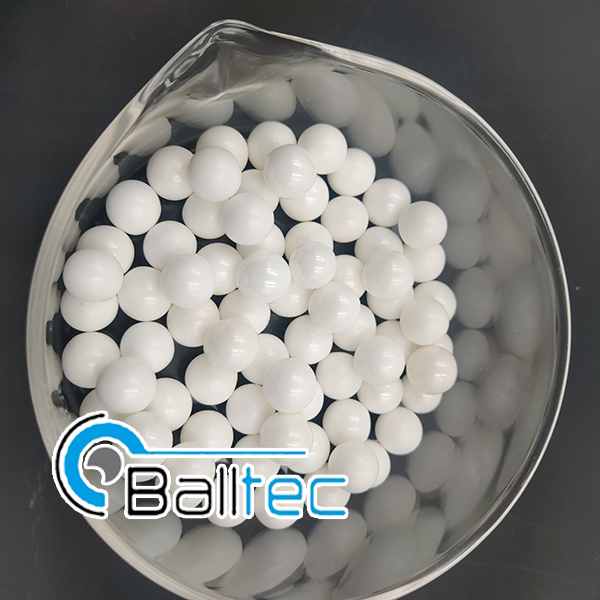
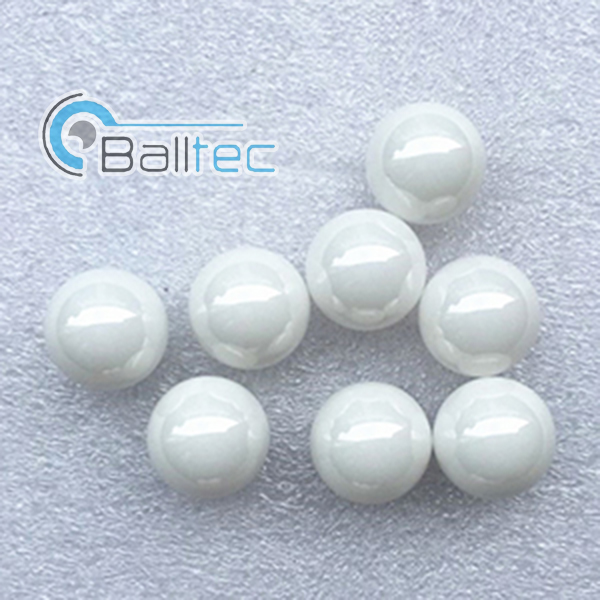
- Dry Isostatic Pressing.Dry isostatic pressing is currently an advanced forming method for alumina balls, easily enabling automated production with minimal human interference. The consistency of green body shape and appearance is superior to that of wet-bag cold isostatic pressing.
- Extrusion Molding.Extrusion molding for alumina balls is a forming method with relatively low grade but high output among similar ceramic balls, generally used for forming ceramic balls below the grade of aluminum balls or clay balls. Such ceramic balls have the advantages of low sintering temperature, simple production equipment, and low investment. They can only be produced using ball mills, filter presses, vacuum refiners, and kilns with relatively low temperatures.
- Pelletizing Method.Forming alumina balls by the pelletizing method refers to a production process similar to making dumplings, belonging to a semi-dry and semi-wet forming method. It involves continuously adhering dry powder to the outside of a wet core to form the ball. This forming method results in low green body density and layered structures, leading to easy peeling during grinding and poor impact resistance. The forming equipment is simple, requiring only a set of granulators.
- Hydraulic Hard Mold Forming.This forming method has high requirements for powder, generally requiring spray granulation. Different equipment is used according to different specifications and production requirements. In early small-batch production, even hydraulic jacks were used to form alumina balls. With the intensification of industry competition, this production method has gradually been phased out.
