


Do Industrial Zircon Balls Emit Radiation?
Introduction
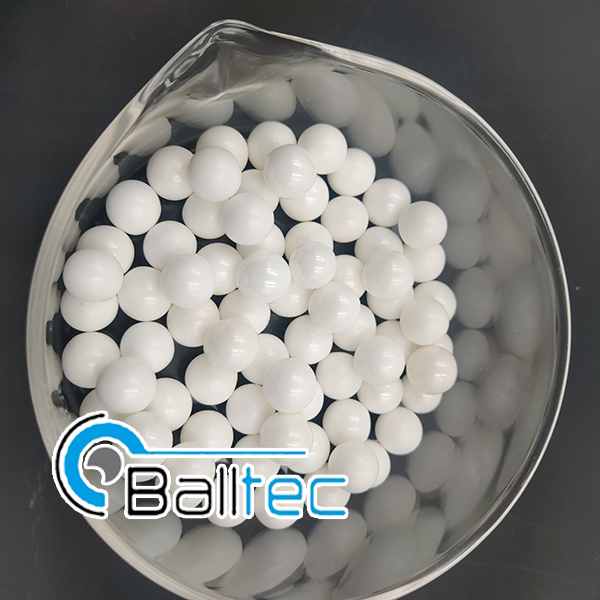
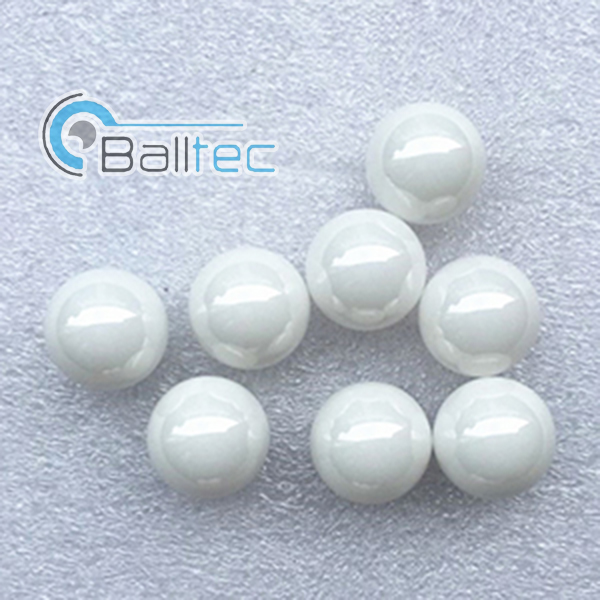
Zircon balls, widely used in industrial grinding processes (e.g., ceramic, mineral processing, and chemical industries) for their high hardness, wear resistance, and chemical stability, often raise concerns about potential radiation risks. This article clarifies whether industrial zircon balls pose radiation hazards by analyzing their material composition, radiation sources, and industry safety standards.
1. Material Classification of Industrial Zircon Balls
Industrial zircon balls are primarily categorized into two types, differing significantly in their radiation - related properties:
1.1 Natural Zircon Balls
Natural zircon (chemical formula: ZrSiO₄) is a mineral that may naturally contain trace radioactive impurities, such as thorium (Th) and uranium (U). These radioactive elements are inherent in the geological formation process of natural zircon ores. However, the content of Th and U in natural zircon varies with ore sources—most low - grade natural zircon ores have relatively high radioactive impurity levels, while high - purity natural zircon (purified through physical separation or chemical leaching) can reduce impurity content to a minimum.
1.2 Synthetic Zirconia Balls
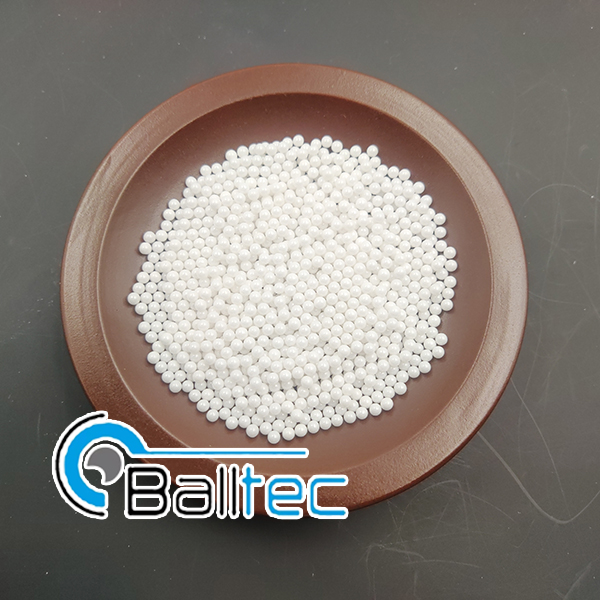
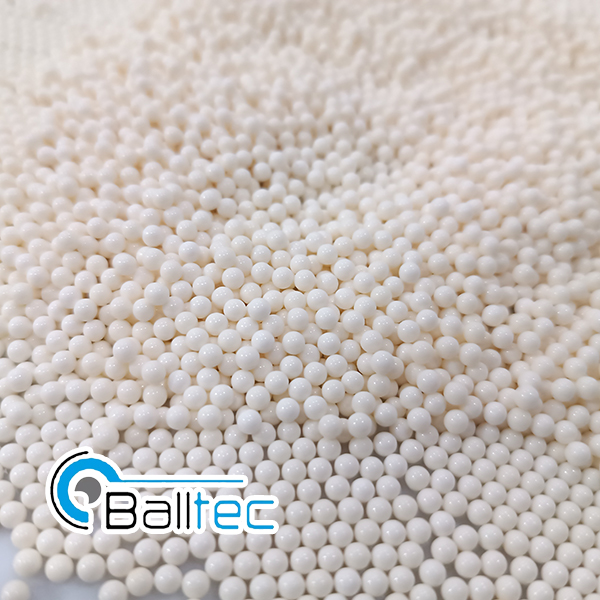
Synthetic zirconia balls (mainly stabilized with yttrium oxide, Y₂O₃) are produced from high - purity zirconium oxide (ZrO₂) powders, which are synthesized via chemical processes (e.g., sol - gel method or precipitation method). During the production of synthetic zirconia, raw materials undergo strict purification to remove radioactive impurities. As a result, synthetic zirconia balls typically contain negligible levels of Th and U, making them inherently low - radiation materials.
2. Radiation Risks: Facts vs. Misconceptions
2.1 Why Radiation Concerns Arise
The radiation concern about zircon balls stems from the radioactive decay of Th and U in natural zircon. These elements emit alpha (α), beta (β), and gamma (γ) rays during decay. Among them, alpha rays have strong ionization but weak penetration (can be blocked by a sheet of paper), and beta rays have moderate penetration (blocked by aluminum foil). Gamma rays, however, have high penetration and are the primary focus of radiation safety assessments.
2.2 Actual Radiation Levels in Industrial Applications
- Natural zircon balls: For unpurified natural zircon balls with high Th/U content, radiation levels may exceed the safe threshold (e.g., exceeding 100 Bq/kg, a common limit in industrial materials). However, in modern industrial production, natural zircon used for manufacturing balls is usually purified to meet safety standards. Purified natural zircon balls typically have radiation levels below 50 Bq/kg, which is comparable to the background radiation of common building materials (e.g., concrete: 30 - 80 Bq/kg) and poses no significant health risks.
- Synthetic zirconia balls: Due to the absence of radioactive impurities, the radiation level of synthetic zirconia balls is close to the detection limit of common radiation detectors (usually <10 Bq/kg), far below the safety limits set by international organizations (e.g., IAEA, International Atomic Energy Agency). They are considered "radiation - free" in practical industrial use.
3. Industry Safety Standards and Quality Control
To ensure the safety of industrial zircon balls, global regulatory bodies and industry associations have established strict standards for radioactive content:
- International standards: The IAEA recommends that the specific activity of radioactive elements (Th + U) in industrial mineral products should not exceed 300 Bq/kg. Most industrial zircon ball manufacturers adhere to this standard, with purified natural and synthetic products well below this limit.
- Regional regulations: For example, the European Union’s REACH Regulation (Registration, Evaluation, Authorization, and Restriction of Chemicals) classifies materials with radioactive specific activity exceeding 1000 Bq/kg as "hazardous substances," while industrial zircon balls rarely reach this level. In China, the GB/T 30452 - 2013 standard for zirconia grinding media specifies that the radioactive content of synthetic zirconia balls must comply with the national standard for building materials (GB 6566 - 2010), further limiting radiation risks.
4. Practical Recommendations for Users
- Prioritize synthetic zirconia balls: For industries with strict radiation requirements (e.g., food processing, pharmaceutical grinding), synthetic zirconia balls are the optimal choice due to their ultra - low radiation levels.
- Request radiation test reports: When purchasing natural zircon balls, ask manufacturers for third - party radiation detection certificates to confirm that the product meets safety standards.
- Normal usage safety: Even with natural zircon balls that meet standards, avoid long - term direct contact with broken or powdered balls (to prevent potential inhalation of dust, though radiation risks remain minimal).
Conclusion
Industrial zircon balls do not universally pose radiation hazards. Synthetic zirconia balls, with their high purity and negligible radioactive impurities, are completely safe in terms of radiation. Natural zircon balls, after proper purification, also meet strict safety standards and pose no significant health risks. By understanding material differences and adhering to industry standards, users can confidently utilize zircon balls in industrial processes without radiation concerns.