

Differences Between 4A Molecular Sieve and Silica Gel Desiccant
Both 4A molecular sieve and silica gel are desiccants, so which one has a better drying effect, and what are the differences between the two products?
Differences Between 4A Molecular Sieve and Silica Gel Desiccant
The main component of silica gel is SiO₂, while the components of molecular sieves can be SiO₂, SiO₂-Al₂O₃, SiO₂-B₂O₃, or SiO₂ combined with other metal oxides. Molecular sieves are used to separate substances with different molecular weights, whereas silica gel is generally used to separate acidic compounds. There are also significant differences in their acidity.
(1) Silica gel has an amorphous structure, while molecular sieves are crystalline.(2) From the perspective of porous materials, the pore channels of 4A molecular sieve are uniformly sized; in contrast, the pore channels of silica gel desiccant have a wide size distribution and are an order of magnitude larger than those of molecular sieves.(3) Molecular sieves are mainly used as catalysts, while silica gel is primarily used for drying.
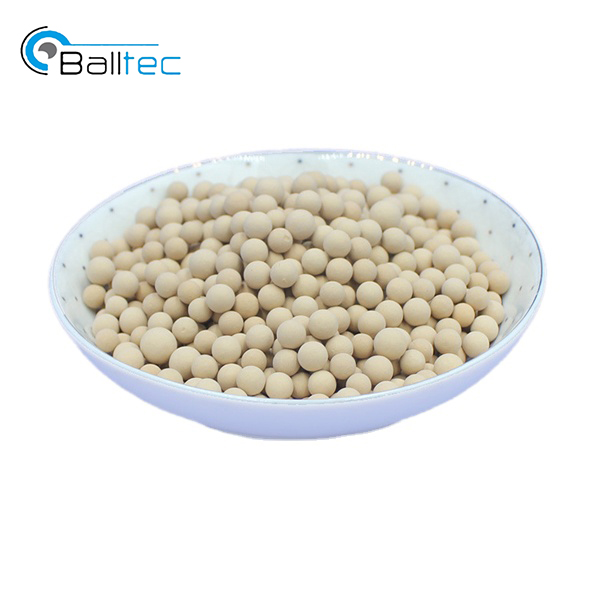
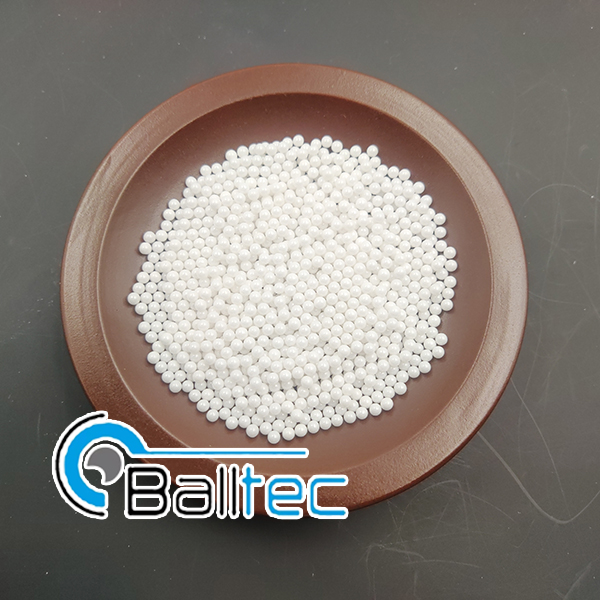
4A molecular sieve delivers excellent drying performance and is also known as a desiccant. Its structure is like a sponge, with dense pores arranged inside that are interconnected and crisscrossed. Molecules are the tiny particles that make up matter, invisible to the naked eye. Although molecules of various substances differ in shape and size, it is extremely difficult to distinguish them from one another—yet 4A molecular sieve desiccant is well-suited for this task.
Calculations show that the internal surface area of the pores per gram of molecular sieve can reach more than 800 square meters. When different substances pass through a molecular sieve, only small molecules can pass through unimpeded; other molecules either linger on the surface or are adsorbed inside the pores and unable to escape, thus achieving the purpose of molecular sieving. This is also the origin of the term "molecular sieve".
Silica gel desiccant can reduce the water content in the air to approximately 0.4 g/m³, while molecular sieve desiccant can lower the water content in the air to below 0.01 g/m³. It is evident that molecular sieves can dehumidify ambient air to a much higher degree. In addition, the water adsorption capacity of molecular sieve desiccant is hardly affected by relative humidity—it still maintains a high adsorption capacity even at a relative humidity of 10%.