

Causes of Powder Adhesion to the Wall and Sedimentation Agglomeration in Planetary Ball Mill Jars
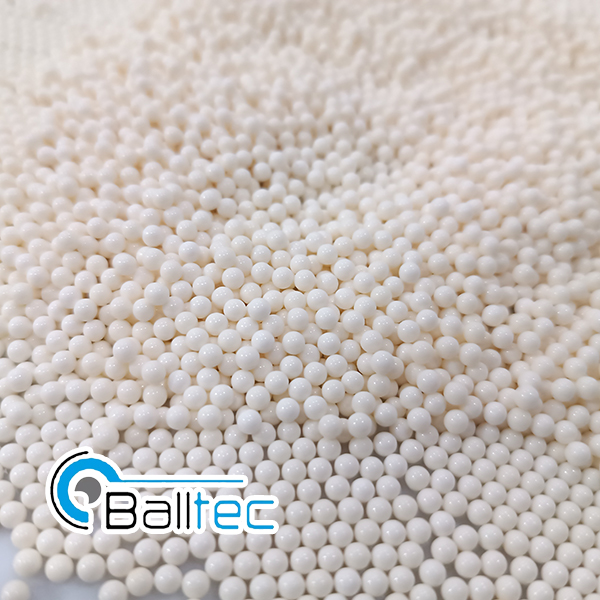
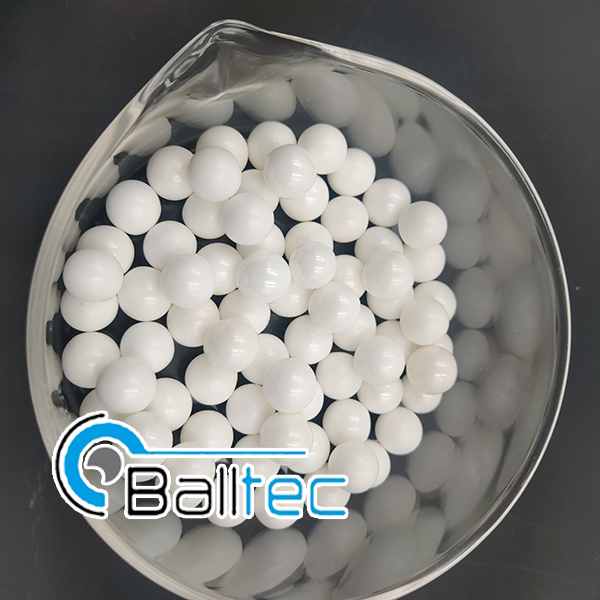
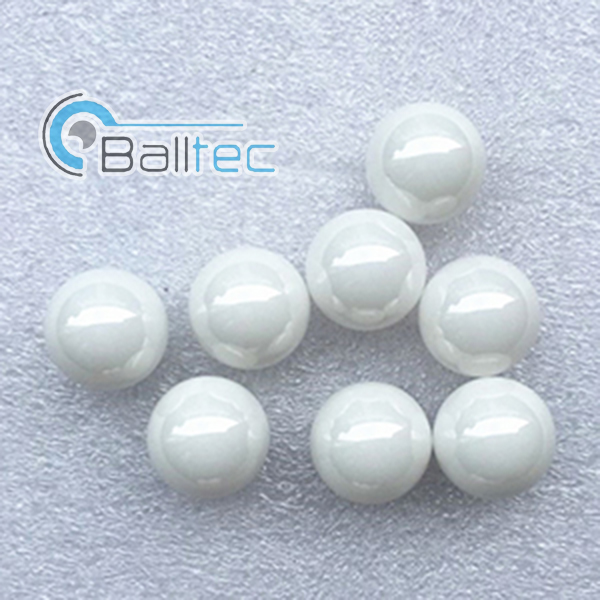
For planetary ball mills, we usually classify the ground particle size distribution into the following grades: millimeter-micron (3 mm–10 μm), submicron (10 μm–3 μm), and nanometer (3 μm–1 nm). Generally, the grinding process from millimeter to micron proceeds very smoothly, which can be achieved rapidly by using zirconia beads of 15 mm, 10 mm, and 5 mm. However, grinding from the micron to submicron and further to the nanometer scale presents certain challenges, accompanied by the phenomenon that the powder adheres tightly to the inner wall of the grinding jar or agglomerates at the bottom. The reasons are as follows:
- Grinding jars with low inner wall smoothness are prone to powder adhesion.
- For example, materials with low melting points may undergo cold welding due to excessive temperature during grinding.
- If the powder has a high water content, the powder at this particle size will agglomerate under the influence of water molecules. Additionally, static electricity generated by the powder itself can also cause it to adhere to the grinding balls and the inner wall of the jar.
Due to the above factors, approximately 50% of the materials will stop being refined further, necessitating timely adjustment of the grinding scheme for subsequent experiments. Adjustment measures include replacing the jar with a material with higher surface smoothness, drying the moisture in the sample, reducing the operating temperature of the ball mill, or using grinding media with smaller particle sizes to assist powder grinding. In general, dry grinding can reduce most materials to the 3 mm–10 μm range. Wet grinding offers more favorable conditions and can usually achieve the nanometer scale. Nevertheless, for powder processing, dry grinding is preferred whenever possible, as minimizing subsequent treatment processes is a common choice in numerous experiments.
Solution:
- At this point, it is recommended to separate the powder and switch to using a polyurethane tank for ultra-fine grinding. The reason for choosing two steps for grinding is that when ceramics reach 10um, it is the point where the powder itself becomes cohesive. Tanks without higher smoothness will cause the powder to stick to the walls. Although the optical finish of zirconia is already quite high, there will still be a sticking phenomenon. The polyurethane tank, as the material with the highest smoothness among all tanks, has an irreplaceable role.
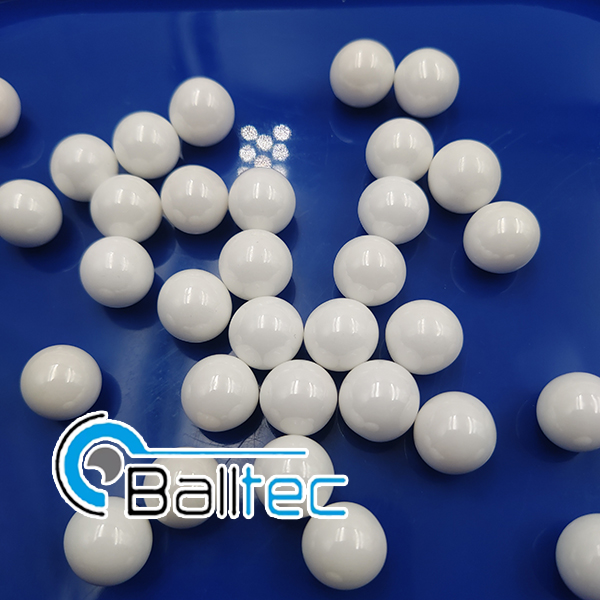
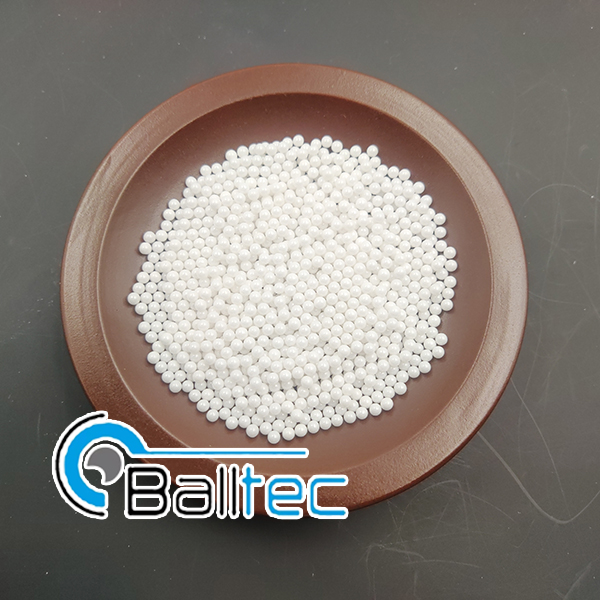
- At this time, the size of the zirconia grinding balls is reduced to 1-3mm. Through this solution for grinding, the powder can enter around 3um. If we continue, the progress space of the powder will be limited. The main problem is still the sticking phenomenon. Also, smaller microbeads need to be used. At that time, the beads and the powder will separate, which is another key point. Unless the surface activity of this type of ceramic is strong, it can be re-ground to the nanometer level through dry grinding again.