

Are the alumina grinding balls suitable for ultra-fine grinding?
Part of alumina balls are suitable for ultra-fine grinding. Whether they can meet the requirements mainly depends on their purity, particle size, specific grinding materials and target fineness.
The performance of alumina grinding balls is determined by their alumina content (purity). Different purities correspond to different application scenarios, and their suitability for ultra-fine grinding is also classified accordingly.
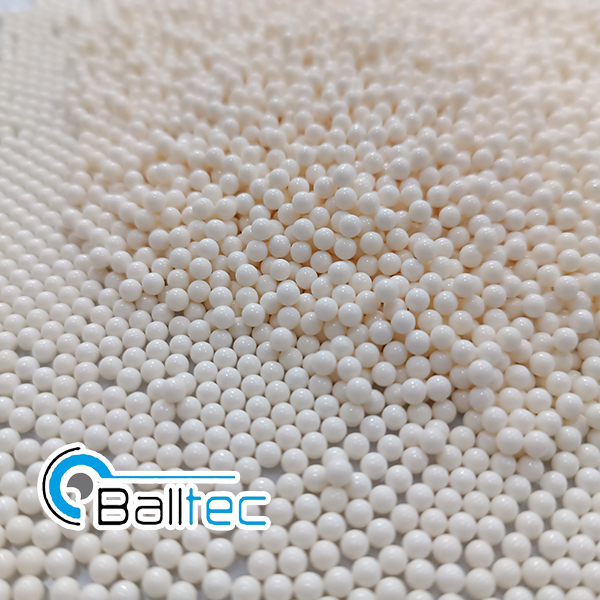
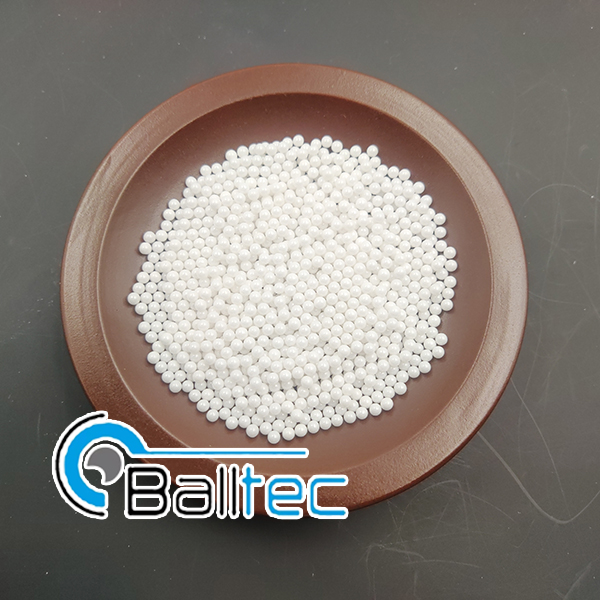
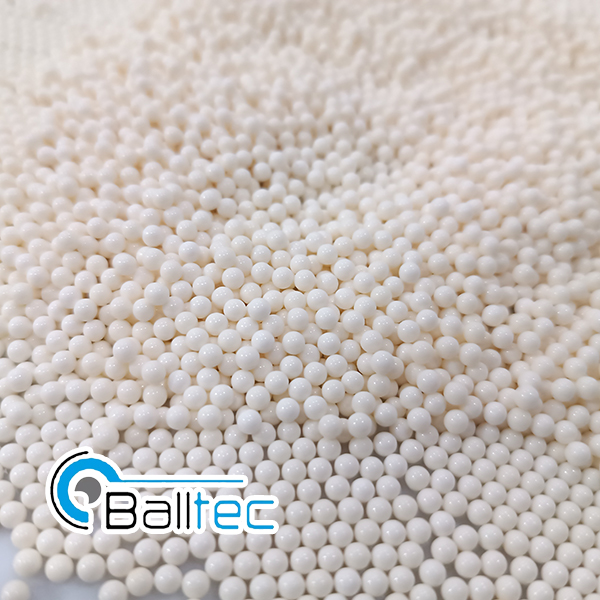
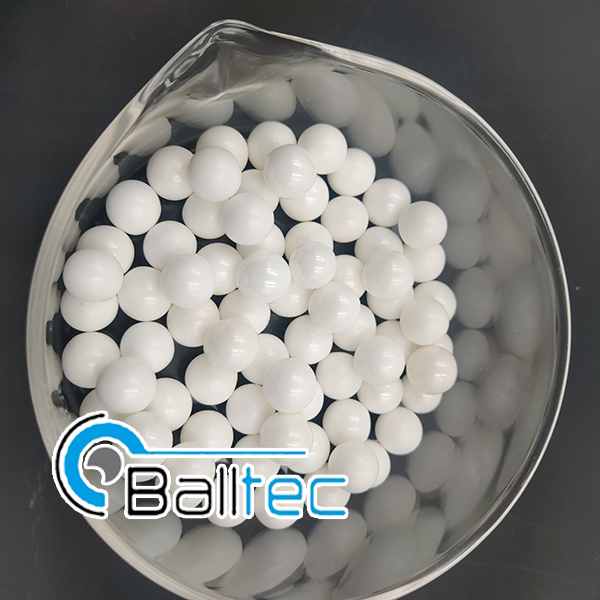
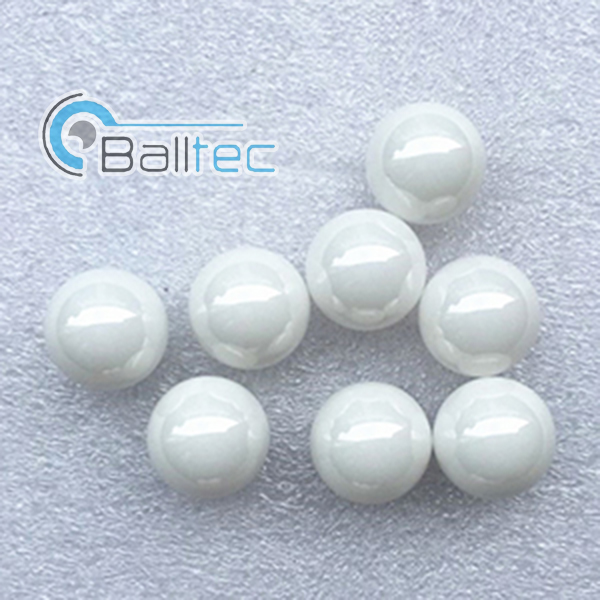
High-purity alumina balls (above 92%, especially 95% and 99%) are fully suitable for ultra-fine grinding. This type of grinding ball has extremely high hardness (Mohs hardness ≥9) and extremely low wear rate, without contaminating materials. It can grind materials to the micron level (e.g., 1-10μm) or even sub-micron level, and is commonly used in fields with high requirements for fineness and purity such as ceramic glazes and lithium battery cathode/anode materials.
Medium and low-purity alumina balls (75%-90%): Partially suitable for relatively coarse ultra-fine grinding, but not for scenarios with extremely high requirements. Their hardness and wear resistance are slightly inferior to high-purity products, and trace impurities may be generated during long-term grinding. They can be used for materials with no strict requirements on purity such as pigments and cement, with a target fineness usually ranging from 10-50μm.
The particle size of the grinding balls: It should match the initial particle size of the material. When grinding ultra-fine materials, small particle size grinding balls (such as Φ1-5mm) should be selected to increase the contact area and improve the grinding efficiency. If large balls are used to grind fine materials, not only will the efficiency be low, but the material structure may also be damaged due to excessive impact force.