

Adsorption Principle of Molecular Sieves
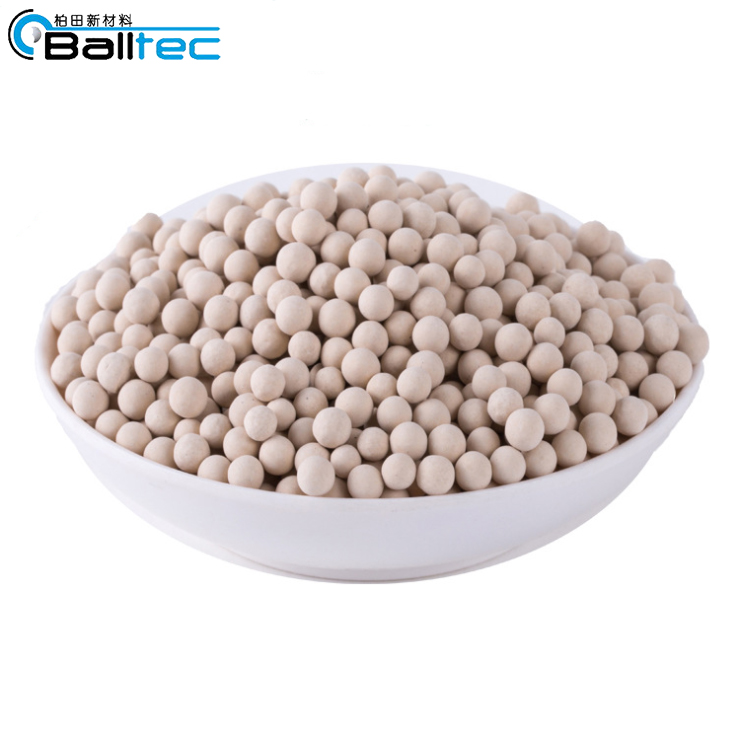
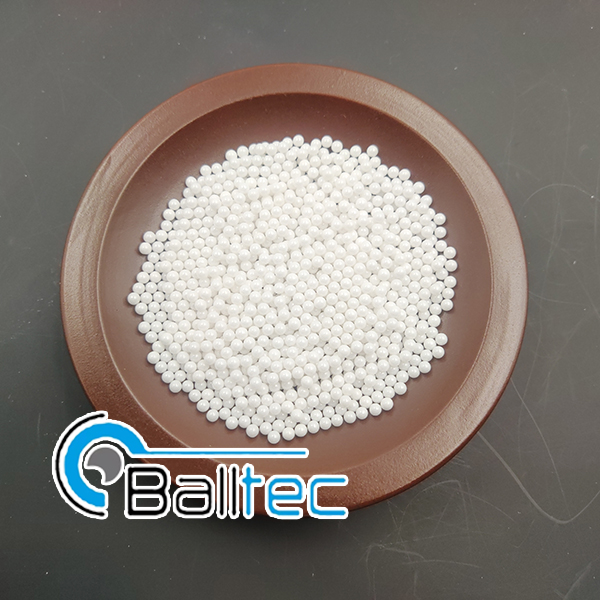
Molecular sieves are porous aluminosilicate crystals, also known as zeolites, which exist in both natural and synthetic forms. They are hydrated aluminosilicates with numerous uniform pores; these evenly sized channels, on the molecular scale, are interconnected, and their cavities are usually occupied by adsorbed water and crystal water. Macromolecules are excluded from the cavities, hence the name "molecular sieve".
They exhibit strong adsorptive capacity for polar and polarizable molecules. Water, as a highly polar molecule with a diameter smaller than the pore size of molecular sieves, is extremely easily adsorbed by them—making molecular sieves excellent adsorbents.
Regeneration of Molecular Sieves
The adsorption of water molecules by molecular sieves is an exothermic process, meaning heat is released during adsorption. This process is reversible: the adsorbed water molecules can be desorbed by heating, allowing the molecular sieves to be regenerated and their adsorptive capacity restored.
There are two basic methods for the regeneration of molecular sieves:
Temperature swing adsorption (TSA)Adsorbed substances are removed by heating the molecular sieves. Industrially, preheated regeneration gas is typically used to heat and purge the molecular sieves to a temperature of 200–350℃, while carrying away the desorbed adsorbates.
Pressure swing adsorption (PSA)After the adsorbent becomes saturated with water, the pressure is rapidly reduced to atmospheric pressure. At this point, the adsorbed water desorbs spontaneously, achieving regeneration of the adsorbent. This method requires no additional heat input.