


News
Precautions for Using Zirconia Beads
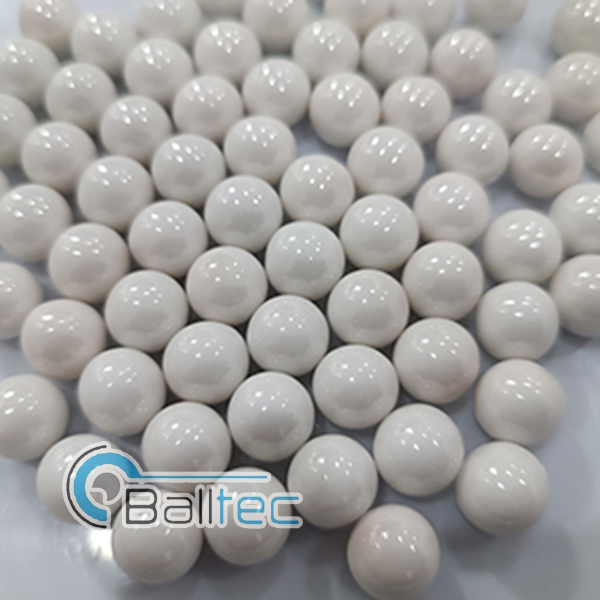
Zirconia ceramics are a new type of technologically advanced high-performance ceramic material. They not only possess high strength, high hardness, high temperature resistance, resistance to acid and alkali corrosion, and excellent chemical stability, but also exhibit outstanding scratch and wear resistance, a flawless appearance, and superior heat dissipation performance. In addition, zirconia ceramics are easy to process, can achieve an excellent visual finish, and are highly suitable for mass production.

The Characteristics and Applications of Alumina Balls
- Used as ceramic materials Spherical micropowders exhibit excellent press-forming and sintering properties, which are extremely beneficial for producing high-quality ceramic products.
Causes of Zirconia Bead Fragmentation
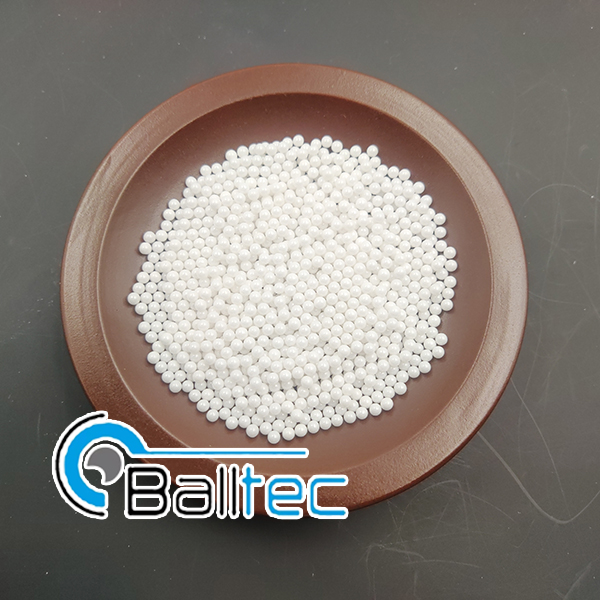
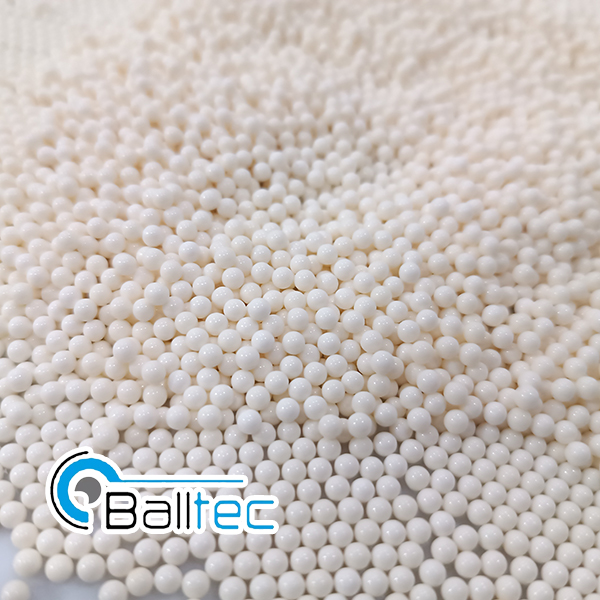
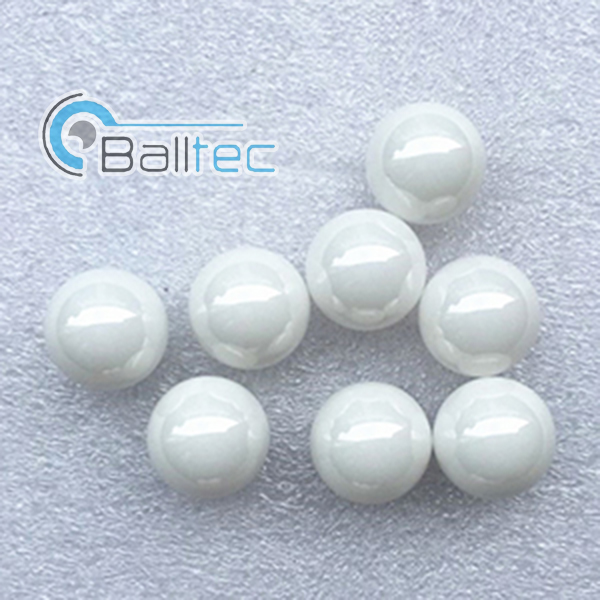
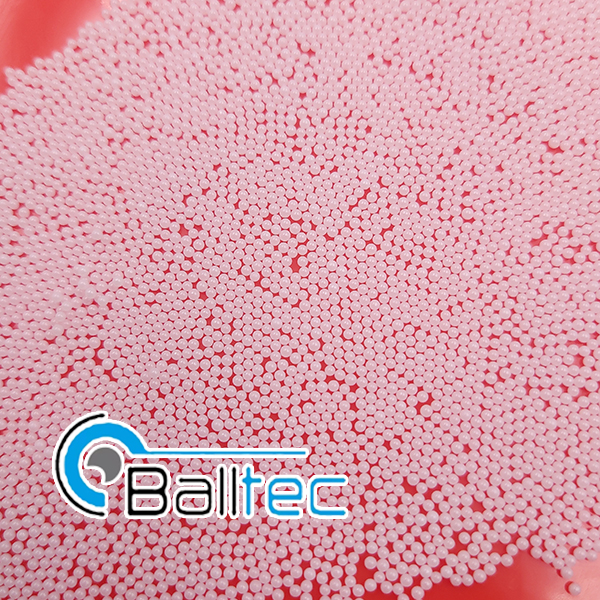
Zirconia beads and zirconia grinding balls refer to spherical grinding media made from zirconia. They are generally used for the ultra-fine grinding and dispersion of high-viscosity and high-hardness materials, and are mainly applied in the grinding of materials in industries such as electronic ceramics, magnetic materials, lithium battery materials, food, pigments, dyes, coatings, inks, and specialty chemicals.
How Zirconia Grinding Bead Mass Ratio and Ball-to-Powder Ratio Affect Grinding
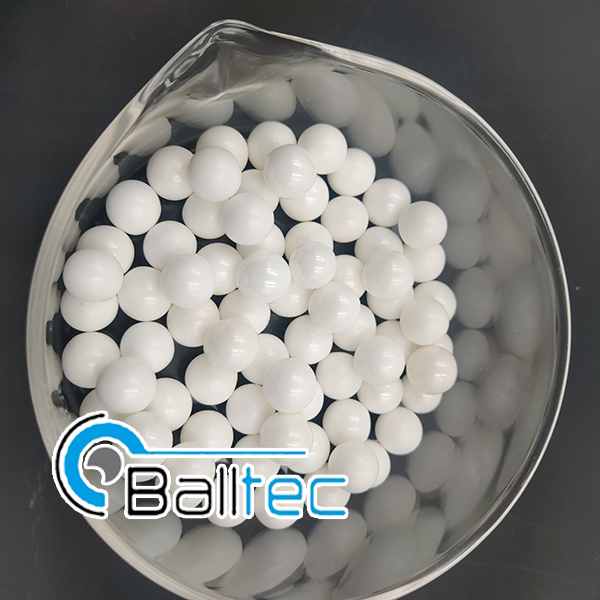
The planetary high-energy ball mill is used for preparing ultrafine powders. Its working principle is that during operation, the grinding jars drive the grinding balls to generate a resultant force through revolution and rotation, which impacts and pulverizes the materials. Factors affecting the grinding effect include grinding time, rotational speed, and solid content of the materials being ground. Among these, the ball-to-powder mass ratio and the mass ratio of grinding balls with different sizes are crucial control parameters.
What are the main properties of zirconia ceramic balls?
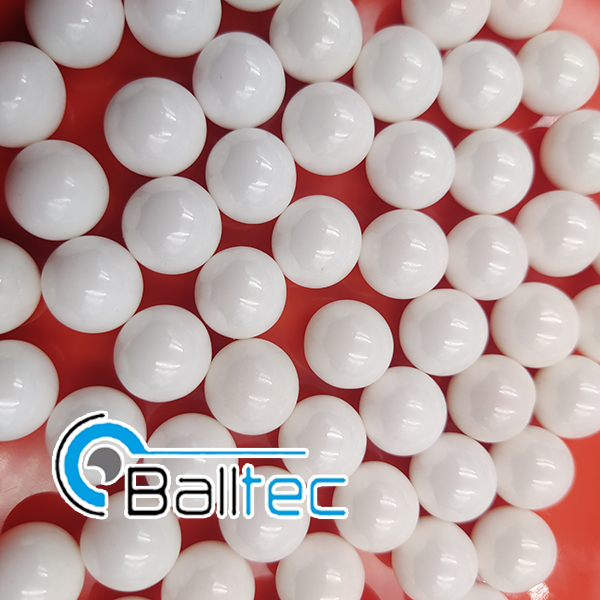
Zirconia ceramic balls are inorganic non-metallic materials produced using zirconia powder and several other additives as raw materials through powder preparation, batching and forming processes. As functional ceramics, zirconia ceramic balls have a wide range of applications, such as thermal barrier coatings, catalyst carriers, medical care, health care, refractory materials and textile industries. Zirconia ceramic balls exhibit excellent properties in three aspects: mechanics, physics and chemistry.
The impact of excessive filling rate in the sand mill on the grinding efficiency
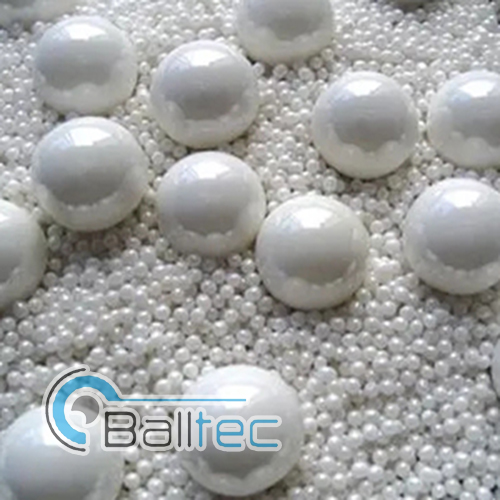
Sand mill filling volume = bulk density × mill volume × filling rate. The filling rate of vertical sand mills ranges from 40% to 60%, while the optimal filling rate of horizontal sand mills is 80% to 85%.
Attention should be paid to solid content and temperature. Excessively high filling volume will cause the material temperature to rise sharply. Sand mills with an all-polyurethane structure require the lowest filling rate, as the operating temperature of polyurethane should normally not exceed 60°C. The highest filling rate applies to sand mills with a silicon carbide inner cylinder, becaus