


News
What impacts will powder agglomeration cause?
Powder agglomeration is a common problem in the ceramic preparation process, which exerts an adverse impact on the performance and quality of ceramic products. The occurrence of agglomeration is mainly caused by the intermolecular forces between particles, such as van der Waals forces, which lead to the aggregation of particles into clusters. The formation of agglomerates reduces the fluidity, dispersibility, and sintering activity of ceramic powders, thereby affecting the sintering performance, mechanical properties, and microstructure of ceramics. The impacts of powder agglomeration on ceramic products are mainly reflected in the following aspects:
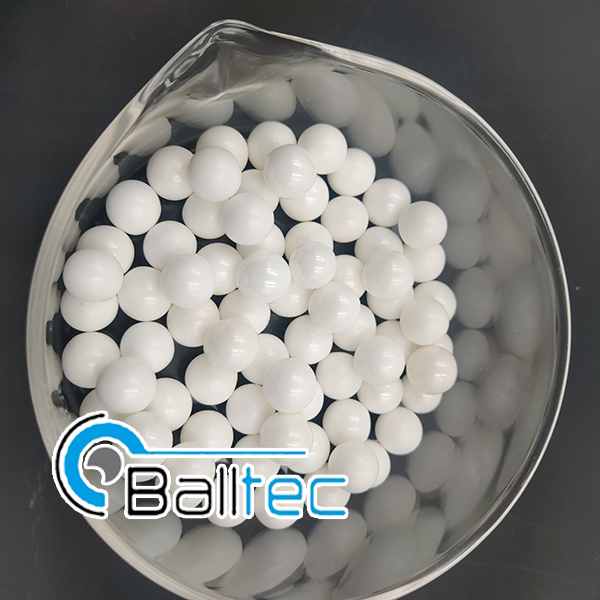
Will zirconia beads for grinding fracture?
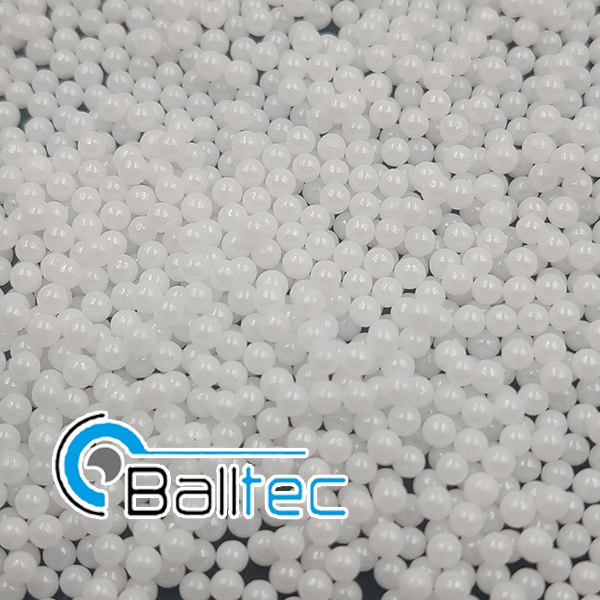
The fragmentation of zirconia beads is related to the quality of the beads themselves, as well as the grinding equipment and the materials being ground.
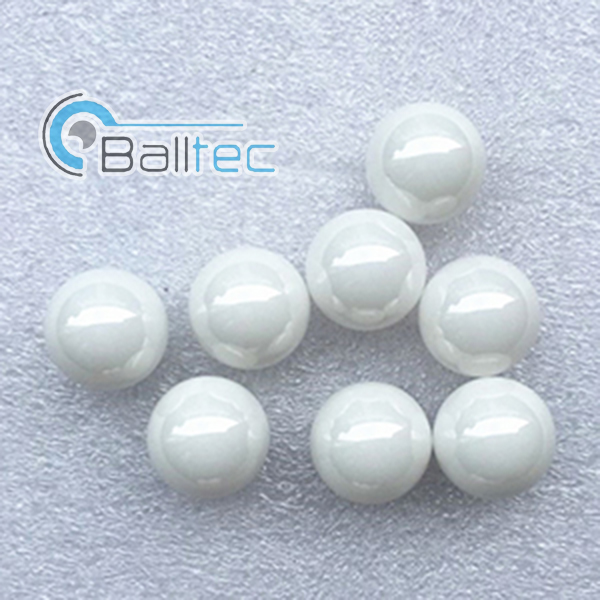
What are the characteristics and advantages of high-purity zirconia beads?
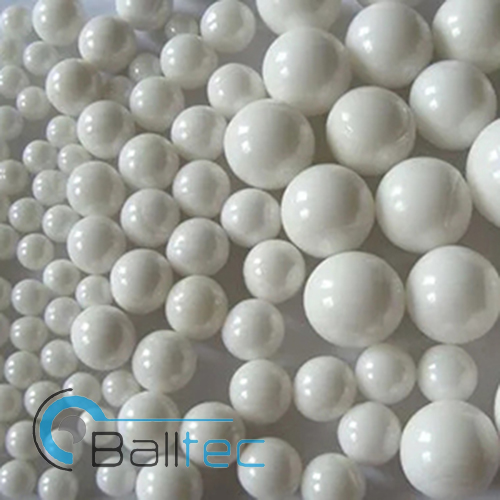
The material of zirconium beads is mainly zirconium oxide, depending on the type of zirconium beads. There are yttrium zirconium beads, cerium zirconium beads, composite zirconium beads, etc.
Do Zirconia Balls Break? A Scientific Perspective
Zirconia balls, renowned for their exceptional mechanical strength and toughness, are widely used in grinding, polishing, and industrial processing—but a common question persists: Can they break? The short answer is yes, but only under specific conditions—their fracture resistance is far superior to most ceramics, and understanding the factors that trigger breakage helps maximize their service life.
Do Industrial Zircon Balls Emit Radiation?
Zircon balls, widely used in industrial grinding processes (e.g., ceramic, mineral processing, and chemical industries) for their high hardness, wear resistance, and chemical stability, often raise concerns about potential radiation risks. This article clarifies whether industrial zircon balls pose radiation hazards by analyzing their material composition, radiation sources, and industry safety standards.
Is Zirconia Bead Suitable for Grinding Alumina Powder?
Alumina powder (Al₂O₃) is a critical industrial material renowned for its high hardness (Mohs hardness 9.0), superior thermal stability, and chemical inertness. It finds widespread use in advanced ceramics, electronic components, and abrasive manufacturing—all fields that demand ultra-fine, uniformly sized powder.