

News
Chemical Properties of Zirconia Beads: A Comprehensive Overview
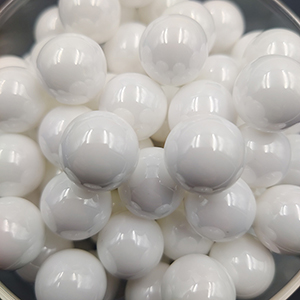
Zirconia beads, primarily composed of zirconium dioxide (ZrO₂), are widely used in various industrial applications due to their unique chemical properties. This article delves into the fundamental chemical characteristics of zirconia beads, exploring their reactivity, stability, and interaction with different substances.
The Impact of Zirconia Bead Particle Size on Ink Grinding
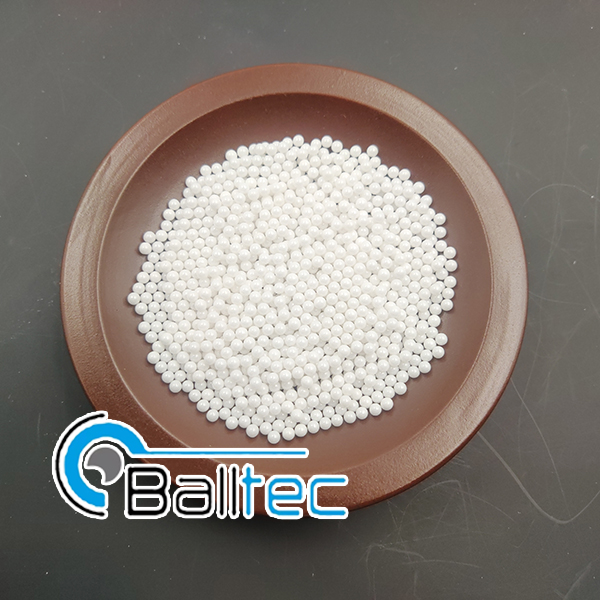
Small-sized zirconia beads, typically in the range of 0.1-0.5mm, offer certain advantages in ink grinding. Due to their small particle size, they provide a large specific surface area, resulting in more contact points with the ink particles. This increased contact leads to more frequent collisions and shear actions, which are beneficial for achieving ultra-fine grinding of the ink. They are particularly suitable for grinding inks that require very fine pigment particles, such as those used in high-resolution printing. However, small-sized beads also have drawbacks. The small size means that they have lower individual impact energy, so the grinding process may take longer to achieve the desired particle size. Moreover, their small size makes them more prone to wear, increasing the risk of contamination of the ink with bead fragments and raising the cost of bead replacement.
The Grinding Principle of Planetary Ball Mills
Planetary ball mills represent a class of high - efficiency grinding equipment widely utilized in materials science, geology, chemistry, and other fields. Their exceptional grinding performance stems from a unique working mechanism that combines rotational and revolutionary motions, enabling the effective reduction of material particle sizes to micrometer or even nanometer scales.
Optimal Zirconia Bead Size for Bacterial Grinding
Bacterial grinding is a critical step in microbiological research, facilitating the extraction of intracellular components such as nucleic acids, proteins, and metabolites. Zirconia beads, renowned for their high hardness, chemical inertness, and minimal contamination risk, are widely used as grinding media in this process. The selection of bead size directly impacts grinding efficiency, cell disruption completeness, and the integrity of target analytes. This article focuses on determining the optimal zirconia bead size for bacterial grinding, considering bacterial structural characteristics and practical operational requirements.
How to Choose Grinding Beads for Tissue Grinding
Tissue grinding is a critical step in biological and medical research, as well as in pharmaceutical development. It involves disrupting tissue structures to release intracellular components such as proteins, nucleic acids, and metabolites. The choice of grinding beads directly affects the efficiency of tissue disruption, the integrity of target analytes, and the reproducibility of experimental results. Selecting the right grinding beads requires consideration of multiple factors, including bead material, size, hardness, and density, all of which must align with the specific characteristics of the tissue sample and the research objectives.