


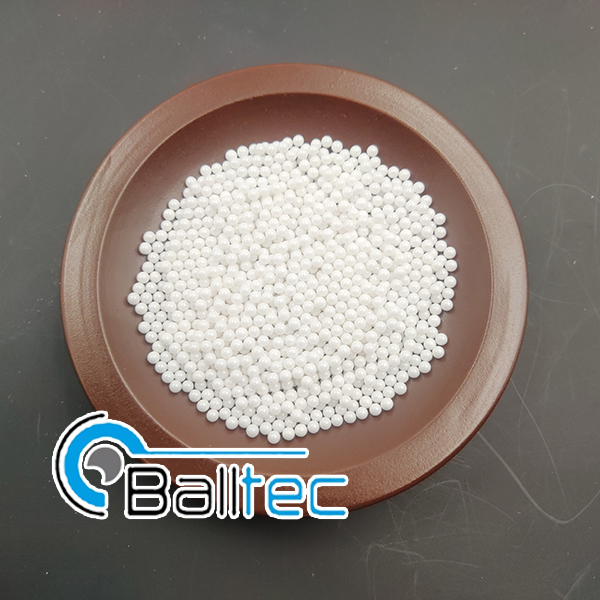
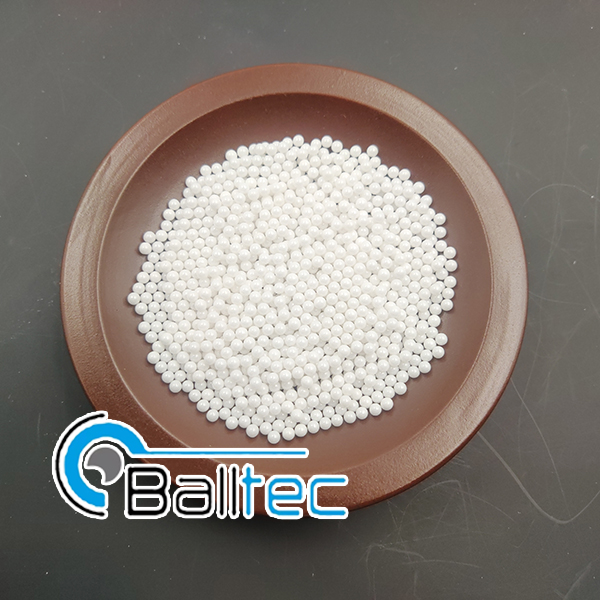
High Temperature Resistant Zirconium Oxide White Full Ceramic Zro2 Zirconia Bearing for Skateboard Inline Skate
In the development and application of engineering ceramic products, ceramic ball bearings stand out as a typical example of the widespread industrial application of engineering ceramics, attracting great attention from many countries. In high-speed precision bearings, hybrid ceramic ball bearings are the most widely used type—their rolling elements are hot-pressed silicon nitride (Si₃N₄) ceramic balls, while the bearing rings remain made of steel. These bearings feature a high degree of standardization, require minimal modifications to machine tool structures, and facilitate easy maintenance, making them particularly suitable for high-speed operation scenarios. High-speed electric spindles assembled with such bearings offer advantages including high rotational speed, high rigidity, high power output, and long service life.
Classification of Ceramic Ball Bearings
- By Material.Ceramic bearings can be categorized into zirconia ceramic bearings, silicon nitride ceramic bearings, and composite ceramic material bearings
- By StructureCeramic bearings are divided into: zirconia ceramic bearings with cages, silicon nitride ceramic bearings with cages, and composite ceramic bearings with cages. Polytetrafluoroethylene (PTFE) is the standard cage material for general ceramic bearings. Alternative materials include glass fiber reinforced nylon 66 (GRPA66-25), special engineering plastics (PEEK, PI), stainless steel (SUS316, SUS304), and brass (Cu). Ceramic material cages are rarely used at present due to technical challenges such as pocket machining and forming. Owing to the limitations of cage materials, full-complement all-ceramic bearings without cages have been developed for special applications, including full-complement zirconia ceramic bearings, full-complement silicon nitride ceramic bearings, and full-complement composite ceramic bearings.
- By Material Completeness.Ceramic bearings are defined as bearings where the main components—the inner rings, outer rings, and rolling elements—are mostly made of ceramic materials. If some of these components (inner/outer rings or rolling elements) are not made of ceramic materials, the bearings are defined as hybrid ceramic bearings. The most widely used type of hybrid ceramic bearings is those with ceramic balls, known as ceramic ball bearings, which can be further classified into zirconia ceramic ball bearings and silicon nitride ceramic ball bearings. Bearings of different materials and structures have distinct considerations for use. For specific details, please consult professional manufacturers of ceramic bearings and ceramic ball bearings for further assistance.
Advantages of Ceramic Ball Bearings
- High Temperature Resistance
Ceramic balls have a low coefficient of thermal expansion and will not expand due to temperature changes in high-temperature environments, which significantly increases the operating temperature range of the entire bearing. Conventional bearings typically have a maximum operating temperature of around 160°C, while ceramic ball bearings can withstand temperatures above 220°C.
- High Rotational Speed
Ceramic balls possess self-lubricating properties without the need for oil and have a low friction coefficient, enabling ceramic ball bearings to achieve extremely high rotational speeds. Statistics show that the rotational speed of bearings with ceramic balls is more than 1.5 times that of conventional be
rings.
- Long Service Life.Ceramic ball bearings can operate without any grease lubrication. Even if the grease dries up, the bearings can still function normally, avoiding premature failure that commonly occurs in conventional bearings due to grease depletion. According to our tests and customer feedback, the service life of bearings equipped with ceramic balls is 2–3 times longer than that of conventional bearings.
- Electrical Insulation
Last but most importantly, ceramic ball bearings offer electrical insulation. As ceramic balls are insulators, using them as rolling elements between the inner and outer bearing rings achieves insulation between the two rings. This allows the bearings to be used in electrically conductive environments. A rolling bearing consists of rings, rolling elements, cages, lubricating grease, and seals. When the rolling elements are made of ceramic materials, the bearing is defined as a ceramic ball bearing.
Product Specifications
|
Item |
Specification |
|
Material |
Full ZrO₂ zirconia ceramic (with 5% Y₂O₃ stabilizer); optional PTFE/ceramic cage |
|
Color |
Natural white (ceramic body); no discoloration under high temperature |
|
Standard Size |
608 (8x22x7mm) – Universal for skateboards & inline skates; custom sizes available |
|
Vickers Hardness |
≥ 1200 HV |
|
Density |
6.0-6.1 g/cm³ |
|
Operating Temperature Range |
-50℃ to 220℃ (stable without deformation or cracking) |
|
Friction Coefficient |
≤ 0.008 (under dry operation; lower with lubrication) |
|
Corrosion Resistance |
Resistant to water, sweat, saltwater, and common skateboard cleaners |
|
Surface Finish |
Mirror-polished (Ra ≤ 0.02 μm) for smooth glide |
|
Sealing Type |
Rubber/ceramic seals (dust-proof, water-resistant; easy to disassemble for maintenance) |
|
Lubrication Recommendation |
Silicone-based lubricant for high-temperature resistance; can operate dry in short term |
|
Packaging |
8pcs/set (standard skateboard configuration) with protective box; 50sets/carton |