


News
The manufacturing process of zirconia beads
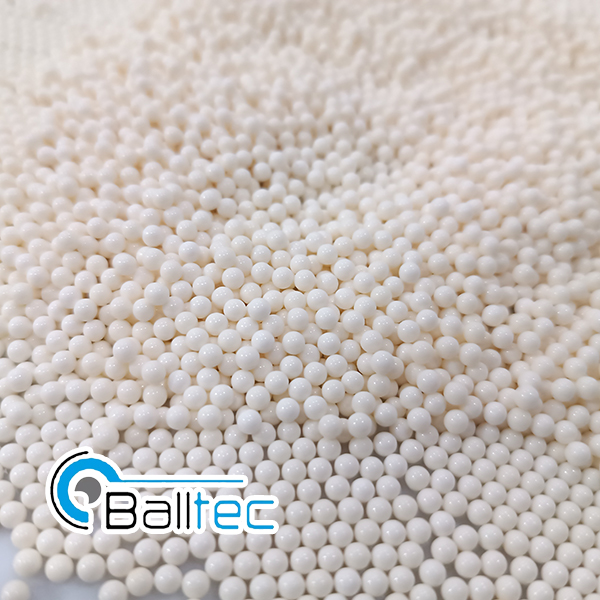
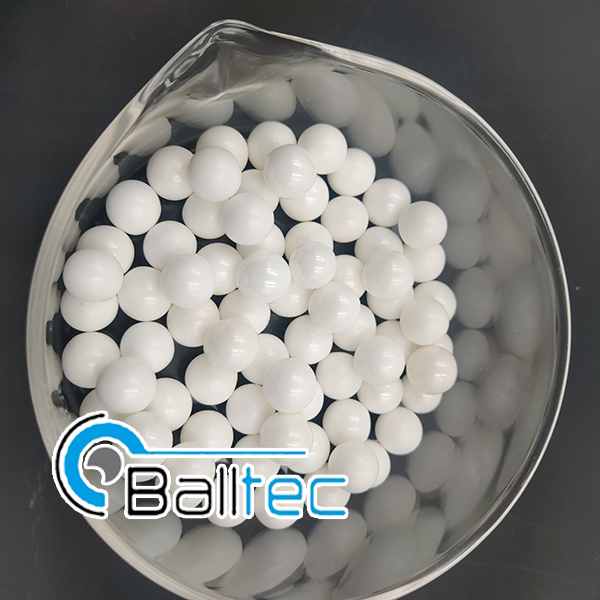
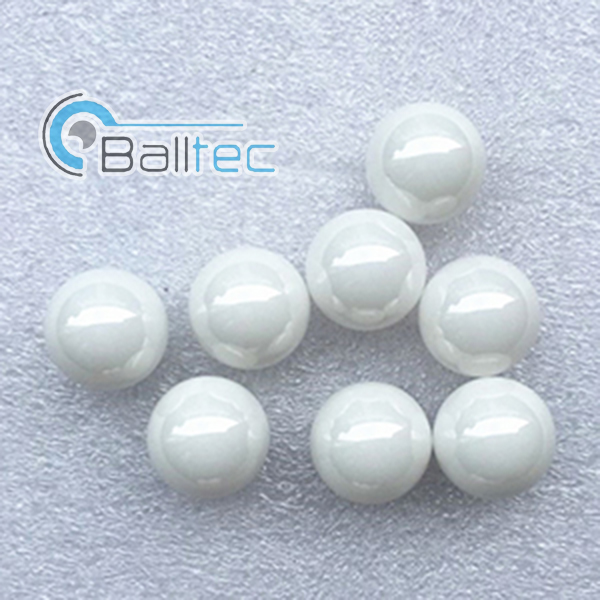
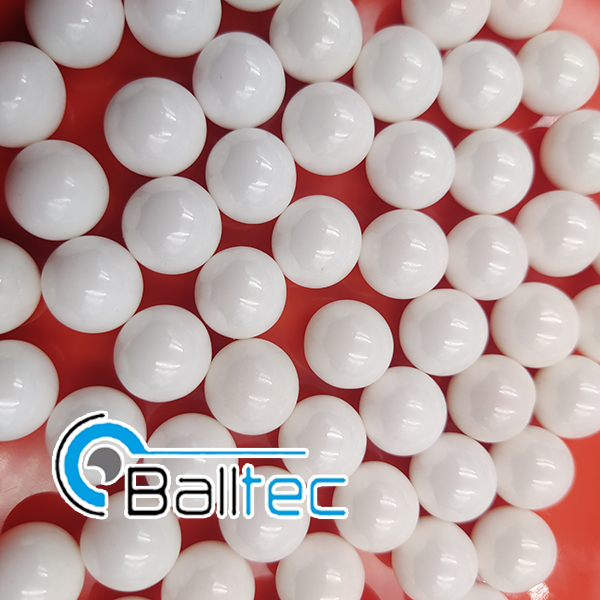
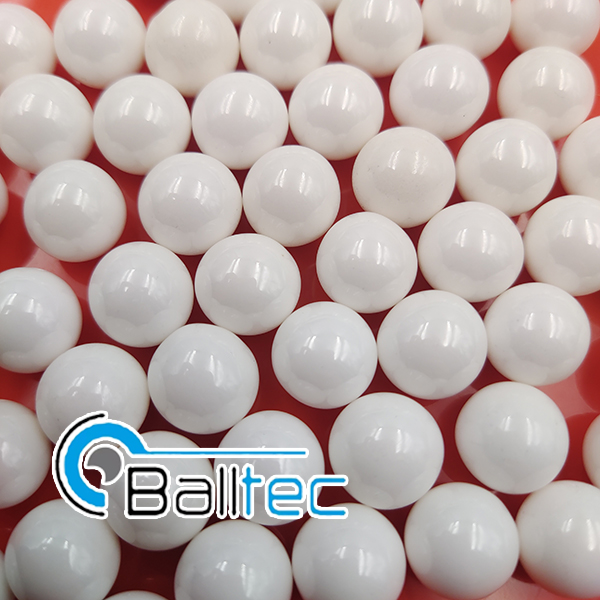
Zirconia beads are mostly composed of tetragonal zirconia, hence also known as "TZP" zirconia beads. Made from micron and sub-nanometer grade zirconia and yttria as raw materials, they are a type of grinding media specifically designed for the ultra-fine grinding and dispersion of materials requiring zero contamination, as well as high-viscosity and high-hardness substances.
Causes of Powder Adhesion to the Wall and Sedimentation Caking in Planetary Ball Mill Jars
For planetary ball mills, we usually classify the ground particle size distribution into the following grades: millimeter to micron (3 mm–10 μm), submicron (10 μm–3 μm), and nanometer (3 μm–1 nm). Generally, the grinding process from millimeter to micron proceeds very smoothly; using zirconia beads of 15 mm, 10 mm, and 5 mm can reduce the particle size rapidly. However, grinding from the micron to the submicron and then to the nanometer scale presents certain difficulties, and problems such as powder adhering tightly to the inner wall of the ball mill jar or caking at the bottom tend to occur. The reasons are as follows:
What are the uses of zirconium oxide beads?
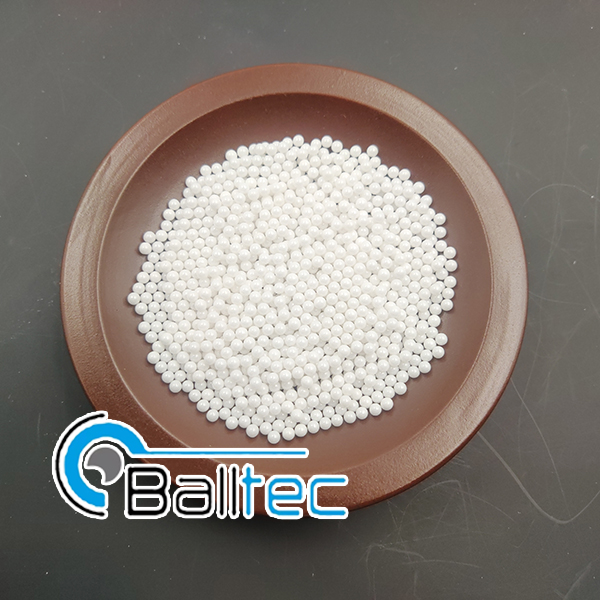
Zirconium oxide beads are a common industrial material, widely used in fields such as ceramics, glass, and coatings. They possess characteristics such as high hardness, high wear resistance, high chemical stability, and low thermal expansion coefficient, which makes them exhibit excellent performance in many industrial applications. The following will introduce the uses and functions of zirconium oxide beads in various fields.
What are the uses of zirconium oxide beads?
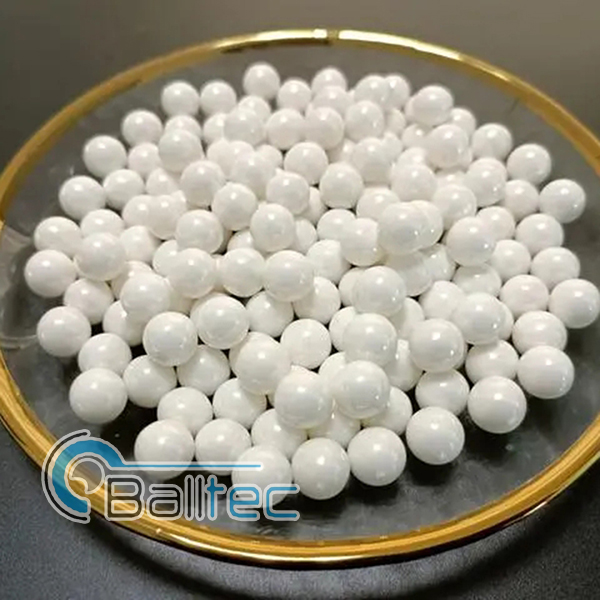
The applications of zirconia beads are based on their physical and chemical properties. Their high hardness, toughness, and density enable them to play critical roles in polishing, grinding, bearings, and other fields. This article provides a detailed introduction to each application area of zirconia beads.
Precautions for the Use of Zirconia Beads
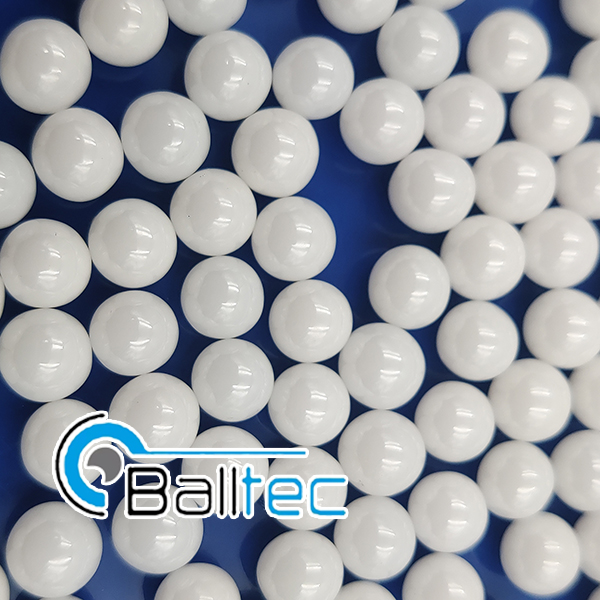
Zirconia ceramic is a new and technologically advanced high-performance ceramic material. It not only features high strength, high hardness, high temperature resistance, acid and alkali corrosion resistance, and excellent chemical stability, but also exhibits outstanding scratch and wear resistance, flawless appearance, and good thermal conductivity. In addition, zirconia ceramic is easy to process, can achieve an excellent surface finish, and is very suitable for mass production.
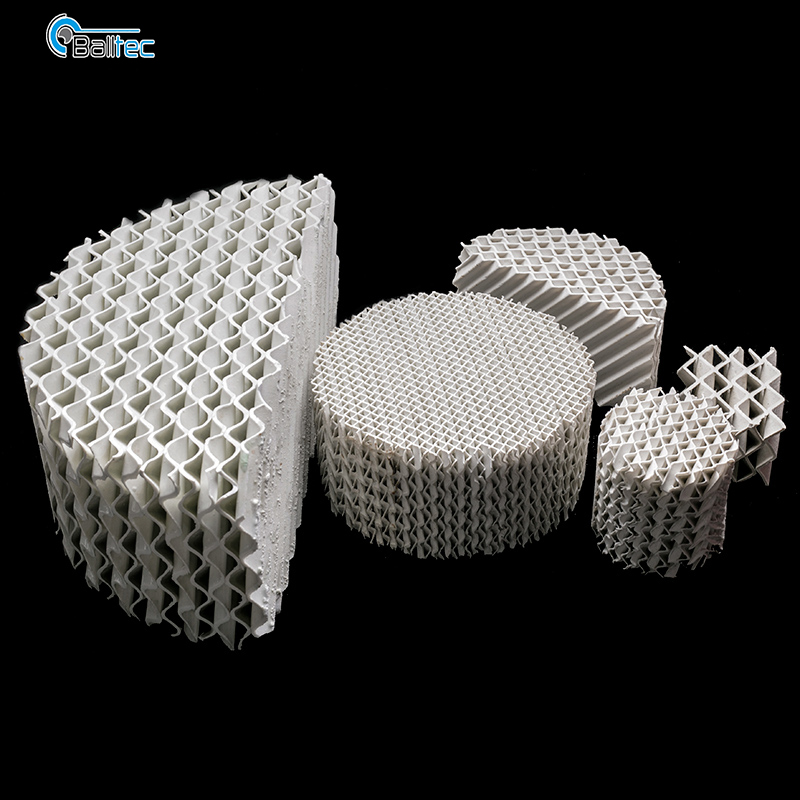
Comparison between Ceramic Corrugated Packing and Metal Structured Packing
Ceramic corrugated structured packing is mainly made of silicoaluminate acid-resistant and chemically corrosion-resistant ceramic material, which can withstand temperatures up to 1300℃, with an operating temperature range of down to -100℃.The product features strong chemical corrosion resistance: it can resist all inorganic acids, organic acids, acidic gases and neutral gases except hydrofluoric acid (HF).