

News
Is ceramic Pall ring alkali-resistant?
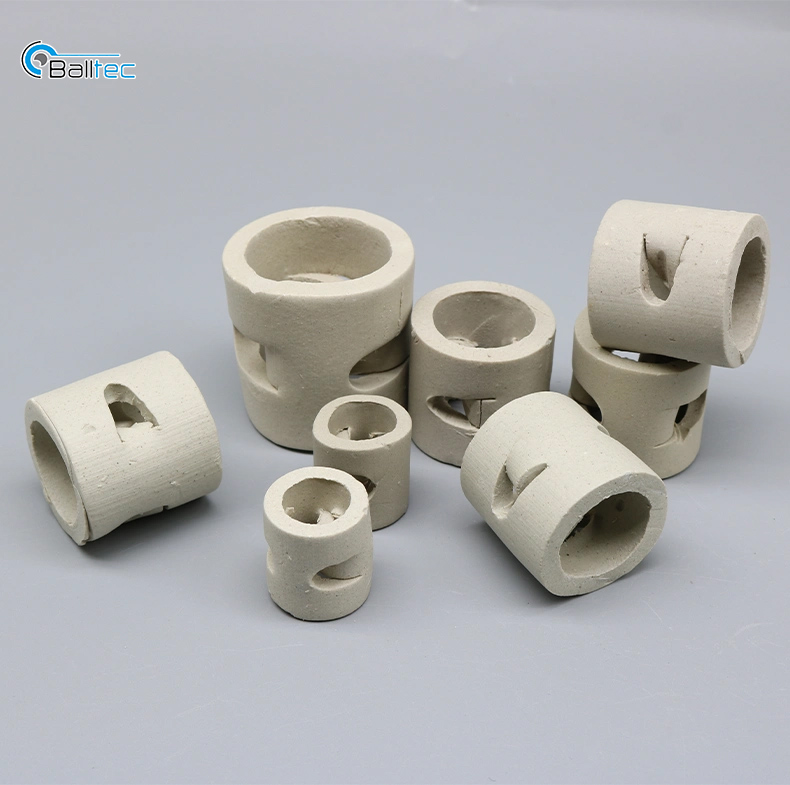
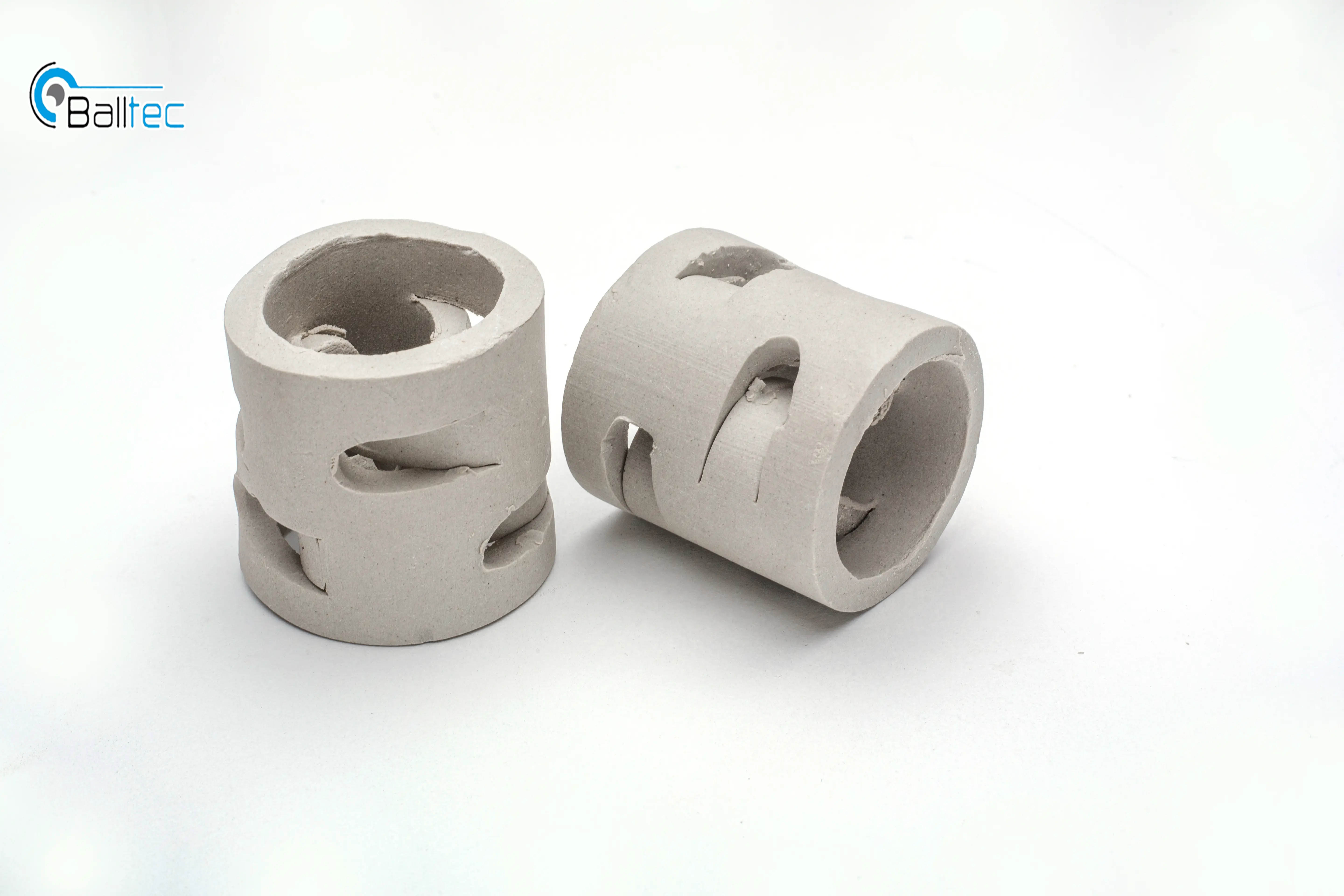
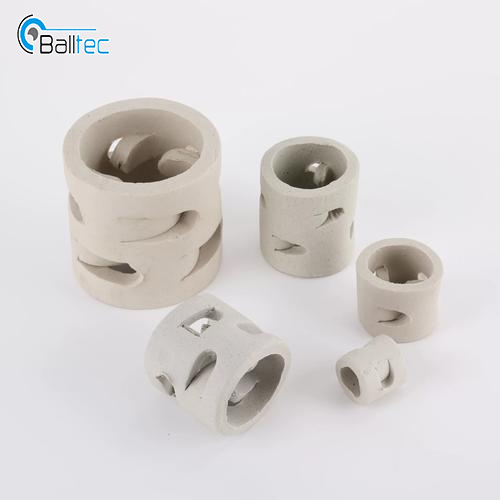
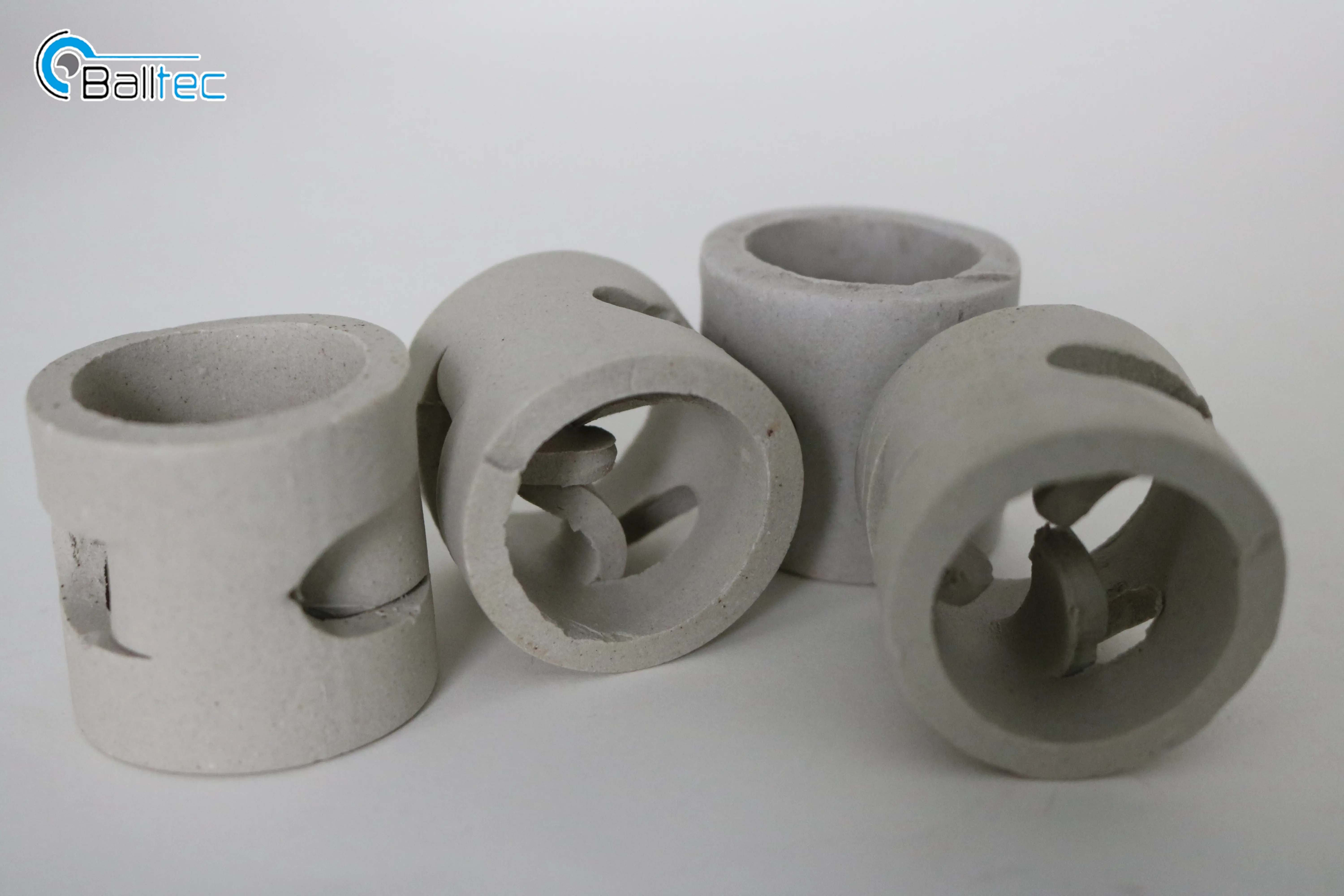
Pall rings were developed on the basis of Raschig rings. The upper and lower layers of the ring wall are equipped with inward-bent tongues. Each layer has five tongues bending toward the center of the ring, and the upper and lower layers are staggered. The window area accounts for about 35% of the ring wall.
What are the applications of ceramic Pall rings?
The shape of the ceramic pall ring is designed to overcome the shortcomings of the ceramic raschig ring in industrial applications, and great structural improvements have been made in the research and development of the ceramic pall ring. Its structure is based on a cylindrical ring, with eight small windows on the outer wall forming eight tongues that bend inward toward the center of the ring, arranged in two layers. The positions of the upper and lower window openings are staggered. This symmetrical ring structure prevents the packing from easily reacting with other materials. Compared with the raschig ring, the porosity is significantly increased, which also improves the masstransfer performance of the ceramic pall ring.
The Application of Zirconia Beads in Coatings
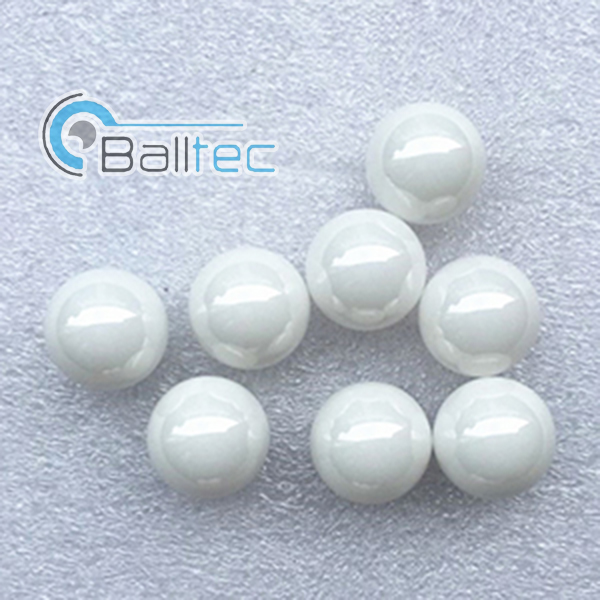
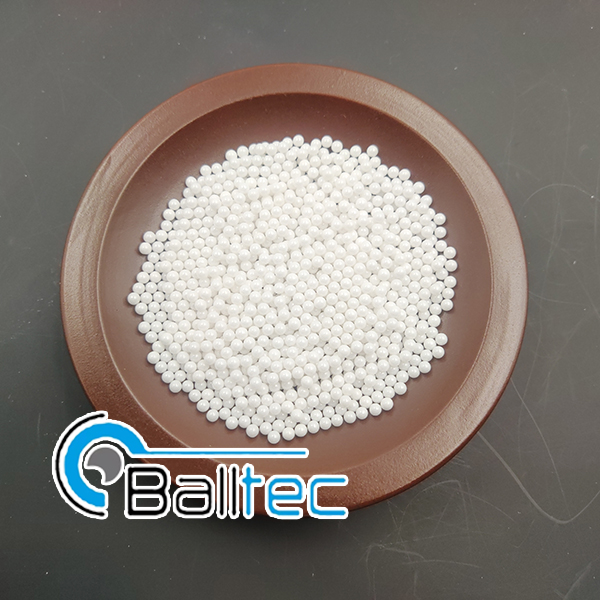
Zirconia beads are spherical particulate materials widely used in coatings. Their functions include reducing costs, increasing solid content, enhancing performance, and improving process operating conditions.
Characteristics and Applications of Alumina Balls
As ceramic materials
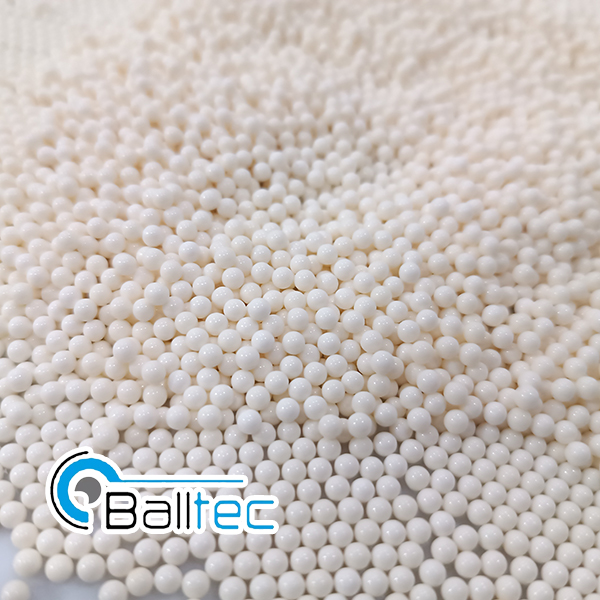
Spherical micropowder exhibits excellent compression molding and sintering properties, which is highly beneficial for producing high-quality ceramic products.

Performance Differences Between Inert Alumina and Activated Alumina Ceramic Balls
Activated alumina balls have numerous capillary pores and a large surface area, so they can be used as adsorbents, desiccants and catalysts.They show strong affinity for water, oxides, acetic acid, alkalis and other polar substances according to their polarity. Activated alumina balls are high-efficiency desiccants for deep dehydration and ideal adsorbents for polar molecules.
Nine Common Methods to Reduce Wear of Zirconia Grinding Balls
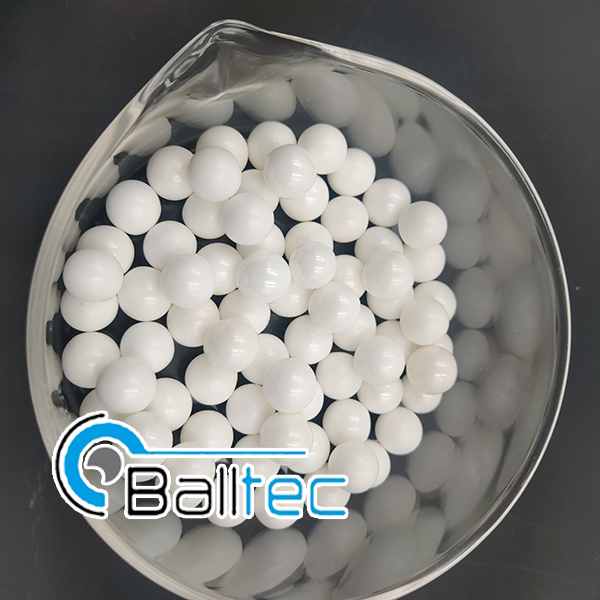
Zirconia beads and zirconia grinding balls both refer to spherical grinding media made from zirconia. They are generally used for ultra-fine grinding and dispersion of materials requiring high viscosity and high hardness.They are mainly applied in the grinding of electronic ceramics, magnetic materials, lithium battery materials, food, pigments, dyestuffs, coatings, inks, special chemical industries, and other materials.