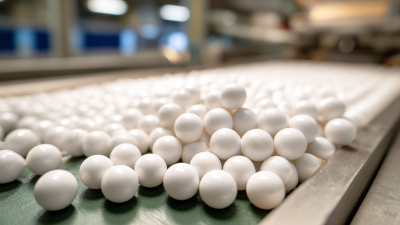
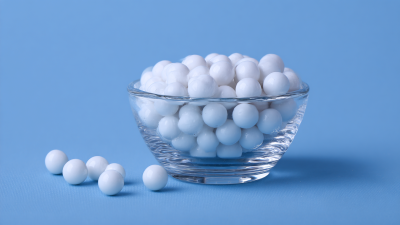
Top Uses of Yttria Stabilized Zirconia Beads in Industry?
Yttria Stabilized Zirconia Beads are gaining prominence in various industries due to their unique properties. According to a report by ResearchAndMarkets, the global market for these beads is expected to exceed $1 billion by 2026. This surge is driven by their superior mechanical strength and chemical stability. Industries such as ceramics, electronics, and pharmaceuticals heavily utilize Yttria Stabilized Zirconia Beads for grinding, milling, and dispersion applications.
In the ceramics industry, these beads enhance the precision of high-performance formulas. They reduce wear and tear in equipment, improving operational efficiency. Additionally, in pharmaceutical applications, their non-toxic nature ensures product safety, making them a preferred choice. Despite their advantages, challenges remain regarding cost and sourcing materials.
Yttria Stabilized Zirconia Beads indeed offer transformative benefits. However, the need for innovation in sustainable production remains critical. As industries evolve, addressing these challenges will be essential for maximizing the potential of these versatile beads.
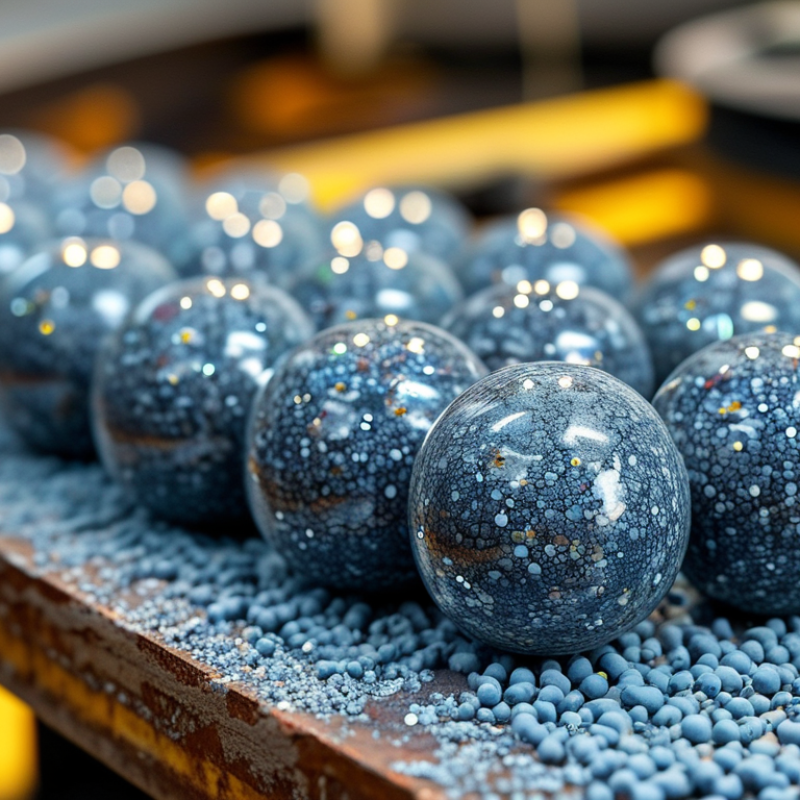
Applications of Yttria Stabilized Zirconia Beads in Industrial Processes
Yttria stabilized zirconia beads have become essential in various industrial applications. These beads are known for their exceptional durability and chemical resistance. In grinding and milling processes, they significantly enhance efficiency. Studies have shown that using these beads can reduce production times by up to 30%. This efficiency translates into cost savings for manufacturers.
In the field of ceramics, yttria stabilized zirconia beads serve as excellent grinding media. They help achieve finer particle sizes, which is crucial for high-quality materials. The abrasiveness of these beads contributes to reducing energy consumption during milling. Data indicates that industries using these beads experience a notable decrease in wear and tear on equipment, extending the lifespan of machinery.
However, there are challenges to consider. The initial cost of yttria stabilized zirconia can be high compared to other media. Manufacturers need to weigh the long-term benefits against short-term expenses. Adopting these beads requires careful planning and evaluation. The balancing act between cost and efficiency remains a key consideration for decision-makers in various industries.
Advantages of Using Yttria Stabilized Zirconia Beads in Manufacturing
Yttria stabilized zirconia (YSZ) beads are gaining prominence in various industries due to their unique properties. These beads exhibit exceptional hardness and wear resistance. They are also chemically stable, making them ideal for harsh environments. The use of YSZ beads can enhance product quality and reduce manufacturing costs.
Tips: Ensure proper mixing of these beads with other materials. This can improve the homogeneity of your product. A well-mixed solution will lead to more consistent results.
One significant advantage of YSZ beads is their high thermal stability. This property allows them to perform well under extreme temperatures. Industries like ceramics and electronics benefit greatly from this feature. However, using YSZ beads requires careful consideration of processing conditions. Inappropriate conditions can lead to poor performance.
Tips: Don't overlook the importance of cleanliness. Contaminants can severely affect the performance of YSZ beads. Regular maintenance of equipment is crucial for optimal results.
In addition to thermal stability, YSZ beads also offer excellent grinding capability. They minimize contamination during processes like milling. This ensures product purity, which is vital in many applications. Clients often seek high-quality, low-contamination materials in their production. Nevertheless, relying solely on these beads might not always yield the desired outcomes. It's essential to evaluate their compatibility with other components.
Top Uses of Yttria Stabilized Zirconia Beads in Industry
The following chart shows the various applications of Yttria Stabilized Zirconia beads in different industries along with their respective advantages. These beads are known for their durability, thermal stability, and effectiveness as grinding media.
Role of Yttria Stabilized Zirconia Beads in Material Processing Efficiency
Yttria stabilized zirconia (YSZ) beads play a crucial role in enhancing material processing efficiency across various industries. These beads are well-regarded for their hardness and durability. Their unique properties allow them to withstand high temperatures and aggressive environments, making them ideal for applications where traditional materials may fail. In ceramics, YSZ beads help create smoother surfaces and improve overall product quality.
In the field of manufacturing, YSZ beads are instrumental in processes like grinding and milling. They minimize contamination risks due to their inert nature. This leads to purer end products, which is vital in electronics and pharmaceuticals. However, achieving optimal processing requires careful control of bead size and distribution. Some manufacturers struggle with selection, exposing a gap in knowledge that could hinder efficiency.
Despite their advantages, challenges remain. The cost and availability of YSZ beads can fluctuate. This variability affects production planning for many companies. Implementing training and best practices may help mitigate these issues, ensuring consistent application and maximum benefit. Ultimately, companies must weigh the high performance of these beads against the potential hurdles in sourcing and use.
Impact of Yttria Stabilized Zirconia Beads on Product Quality and Durability
Yttria stabilized zirconia (YSZ) beads are gaining traction in various industrial applications. Their unique properties significantly influence product quality and durability. High thermal stability and excellent abrasion resistance make these beads essential for many processes.
When used in milling and grinding, YSZ beads enhance particle dispersion and reduce wear on equipment. This leads to a higher-quality surface finish in materials, which can be vital for industries like ceramics and coatings. However, the cost factor can deter some manufacturers from making the switch. The potential savings from increased longevity of equipment may outweigh initial expenses, making YSZ beads a smart investment.
In coatings and paints, YSZ beads provide a smoother application and improved adherence to substrates. This results in longer-lasting finishes that resist wear and tear. Yet, it is crucial to consider the energy consumption of processes. Optimizing the use of YSZ can lead to better sustainability outcomes. Often, finding the right balance between performance and environmental impact remains a challenge for many industries.
Top Uses of Yttria Stabilized Zirconia Beads in Industry
| Application |
Impact on Product Quality |
Durability Enhancement |
Common Industries |
| Ceramic Coatings |
Improved wear resistance and corrosion protection |
Increased lifespan of coated components |
Aerospace, Automotive |
| Grinding Media |
Enhances particle size reduction and dispersion |
Extended service life of grinding equipment |
Paints, Inks, Ceramics |
| Dental Applications |
High aesthetic appeal and strength |
Long-lasting dental restorations |
Dental and Orthodontics |
| Fuel Cells |
Enhanced electrochemical performance |
Greater efficiency and longevity |
Energy and Power Generation |
| Jewelry |
Increased brilliance and scratch resistance |
Long-lasting shine and appeal |
Fashion and Accessories |
Future Trends in the Utilization of Yttria Stabilized Zirconia Beads in Industry
Yttria-stabilized zirconia (YSZ) beads are emerging as key materials in various industries. Their unique properties, such as high wear resistance and thermal stability, drive innovation. In the future, their applications are expected to expand significantly across multiple sectors.
One notable trend is in the field of electronics. As devices become smaller, the demand for precision components increases. YSZ beads can enhance the fabrication of microelectronics. Their ability to withstand high temperatures makes them suitable for advanced applications. This shift may lead to new techniques in manufacturing, potentially improving efficiency.
In the biomedical field, YSZ beads show promise as a biocompatible material. Future research may explore their use in implants and prosthetics, which could improve patient outcomes. While there is excitement, challenges remain. The manufacturing processes need refinement to ensure consistency and safety.
Tip: When considering YSZ beads for your application, evaluate the specific requirements. Compatibility and performance should guide your material choice. Understanding the limits of YSZ can help avoid potential pitfalls.
Another area for advancement is energy storage. YSZ can play a role in solid oxide fuel cells, offering higher efficiency. However, scalability remains a concern. Solutions will need to address production costs and material sourcing.
Tip: Always stay informed about new scientific developments in materials. Innovations in YSZ could redefine its role in technology and industry, making it a focal point for future growth.