2026 Best Zirconia Silicate Beads for Global Buyers?
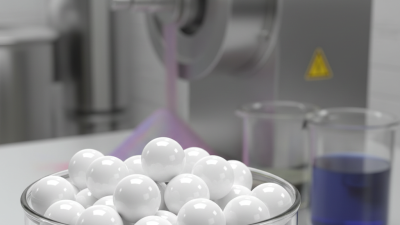
In the vibrant landscape of advanced materials, Zirconia Silicate Beads have emerged as a crucial component for various industries. Dr. Emily Chen, a renowned expert in ceramic materials, states, "Zirconia Silicate Beads enhance durability and performance in applications." This statement highlights their significance in production processes, including their role in increasing the efficiency of milling and dispersion.
As global demand surges, buyers must navigate the overwhelming choices in the market. This presents challenges, especially for those unfamiliar with the intricacies of material selection. The quality of Zirconia Silicate Beads can vary significantly between suppliers. Some may promise high performance but fall short in reliability or consistency.
Investing in quality Zirconia Silicate Beads is not just about cost. It's essential to consider the bead's properties, such as hardness and density. Understanding these aspects will lead to better industrial results. Ultimately, the quest for the best Zirconia Silicate Beads in 2026 is about balancing price with overall performance. Buyers must remain vigilant and informed to ensure their choices yield the best outcomes for their specific needs.

2026 Market Overview for Zirconia Silicate Beads: Key Trends
The zirconia silicate beads market is experiencing significant growth. According to recent industry reports, the global market for these beads is projected to reach $250 million by 2026. This growth is driven by increased demand in various sectors, including ceramics and dental applications. Key trends indicate a push for higher durability and thermal stability in zirconia silicate products.
Sustainability is also emerging as a crucial factor for buyers. Many manufacturers are now focusing on environmentally friendly production processes. Insights from market analytics show that nearly 40% of buyers prioritize suppliers who practice eco-friendly methods. This shift suggests that companies could find it challenging to balance cost and sustainability in their operations.
While the market appears robust, challenges remain. Fluctuating raw material prices may impact production costs. Additionally, the need for constant innovation and adaptation could strain smaller players in the industry. The competitive landscape requires companies to invest in research and development continually. As a result, maintaining high-quality standards while managing costs is a delicate balance that industry stakeholders need to address.
Global Demand for Zirconia Silicate Beads: Statistical Insights
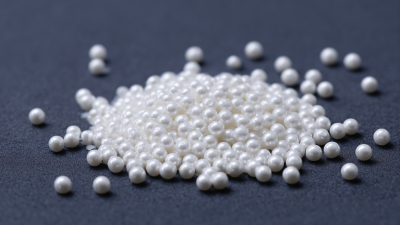
Zirconia silicate beads have gained massive traction globally due to their versatile properties. They are known for their durability and ability to withstand high temperatures. These qualities lead to increased applications in industries such as ceramics, coatings, and electronics. As demand rises, manufacturers must adapt their production strategies to meet varying requirements.
Statistical insights reveal a steady growth trend in the market. In recent years, the need for zirconia silicate beads has surged, particularly in Asia and North America. Companies are investing in research and development to improve bead quality. Despite advancements, some firms struggle with consistent supply chains or fluctuating material costs.
Examining consumer behavior shows that buyers prioritize quality and sustainability. They seek materials that provide long-lasting performance while being environmentally friendly. However, understanding market dynamics can be challenging. Some businesses may overlook regional preferences, leading to misaligned offerings. Adapting to these shifts will be crucial for success in this evolving landscape.
2026 Best Zirconia Silicate Beads for Global Buyers
| Region |
Estimated Demand (Metric Tons) |
Market Growth Rate (%) |
Key Application Areas |
| North America |
15,000 |
5.2 |
Dental, Ceramics |
| Europe |
25,000 |
6.0 |
Jewelry, Industrial |
| Asia Pacific |
40,000 |
7.5 |
Cosmetics, Electronics |
| Latin America |
10,000 |
4.8 |
Construction, Healthcare |
| Middle East & Africa |
8,000 |
3.5 |
Automotive, Aerospace |
Top Manufacturers in the Zirconia Silicate Bead Industry: A Comparative Analysis
The zirconia silicate bead market is growing rapidly. Manufacturers are focusing on quality improvements to meet global standards. A comparative analysis shows key players adopting innovative techniques. These advancements enhance the durability and performance of the beads.
Key manufacturers are pushing for eco-friendly practices. They are investing in sustainable sourcing and production methods. Some companies face challenges in this transition. The balance of cost and environmental impact is not always clear. Buyers should consider companies that prioritize sustainability alongside quality.
Many buyers overlook the importance of supplier reliability. It is crucial to assess a manufacturer’s track record. Look for reviews and testimonials before making a decision. This can often reveal hidden strengths or weaknesses. When in doubt, engage in discussions with potential suppliers. This can provide clarity and build trust. Choosing the right manufacturer can have a lasting impact on product quality.
2026 Best Zirconia Silicate Beads for Global Buyers
This chart provides a comparative analysis of key evaluation criteria for zirconia silicate beads, making it easier for global buyers to understand the important factors when selecting products from the industry.
Applications of Zirconia Silicate Beads in Various Sectors: Data Overview
Zirconia silicate beads have become essential in various industries due to their unique properties. These beads are widely used in the ceramics sector, significantly enhancing the durability and strength of products. According to a recent industry report, the global zirconia silicate market is projected to grow at a CAGR of 5.8% from 2021 to 2026. This growth underscores the increasing demand from manufacturers seeking high-quality materials.
In the field of cosmetics, zirconia silicate beads play a crucial role. They provide a gentle exfoliating effect without damaging the skin. A survey of cosmetic chemists revealed that 40% prefer using these beads over traditional exfoliants. This preference is linked to their uniform particle size and eco-friendly nature. However, some manufacturers face challenges in sourcing high-quality beads, leading to inconsistencies in product performance.
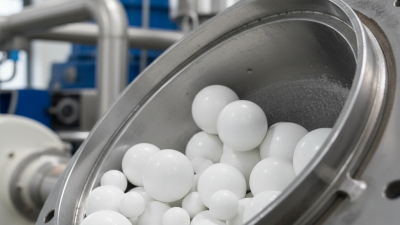
Further, zirconia silicate beads are utilized in the food and beverage sector. They are effective as grinding media in milling processes. Industry analysts suggest that their use has improved particle distribution and reduced wear on milling equipment. Nevertheless, there are ongoing discussions about ensuring food safety standards. The need for more rigorous testing and quality control processes is becoming increasingly apparent.
Environmental Impact and Sustainability of Zirconia Silicate Beads Production
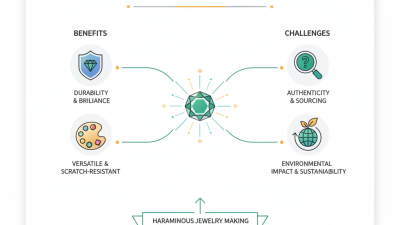
The production of zirconia silicate beads raises important environmental concerns. One key issue is the mining process. Mining can lead to significant land disruption. This affects local ecosystems and biodiversity. Extracting raw materials requires energy and contributes to carbon emissions. Sustainable practices are essential to lessen these impacts.
Recycling and reusing zirconia silicate beads can mitigate some environmental effects. However, the industry must consider the entire lifecycle. From production to disposal, the impact is significant. Many manufacturers are exploring innovative methods. These methods prioritize eco-friendly sourcing and reduce waste. Transparency in the supply chain is crucial too. Buyers should seek out partners committed to sustainability.
There are challenges that industries face in adopting greener practices. Not every manufacturer can afford the transition. Sometimes, the focus remains on cost rather than environmental benefits. This leads to a complex situation. Balancing profit with sustainability is an ongoing struggle. Open dialogue about sustainable practices is needed. Such discussions can pave the way for a more responsible approach to zirconia silicate beads production.